

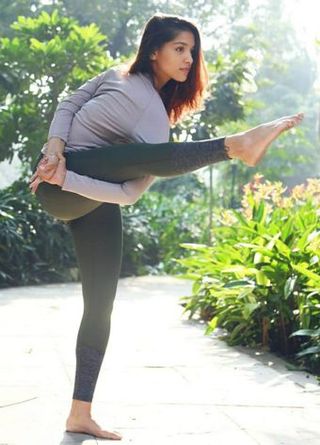
Most of us tend to procrastinate things and this is especially true in the case of fitness. From excuses like “This will be my last cheat day” to “I don’t have access to gym equipment”, one tends to justify these factors and take no action. It is time to put a stop to it.
You should know that any form of movement or exercise is one of the best gifts you can give your body, mind and soul. Exercise is not only good for your body but also very important to maintain a healthy mind. Soon after you start any form of movement, you will begin to see and experience the benefits that physical movement can have on your body and well-being. However, creating a habit out of a good fitness routine takes a lot of determination and discipline.
If you are new to working out or coming back to it after a long break, try not to jump directly into the deep end. Start slow. Here are a few things that you need to keep in mind.
Assess your body
It is important to understand your body; its strengths and limitations. Respect your limitations and work from there.
Start by analysing your cardiovascular capacity, strength—on basis of upper and lower body—endurance levels and flexibility range. Understand and respect your physical restrictions. Check your heart rate, blood pressure and body composition.
While all this might sound intimidating, taking a fitness assessment will only help you progress faster and will help you identify any underlining conditions, potential health risks or injuries.

Set realistic goals and build a habit
Setting a goal is great for staying motivated. However, always set realistic goals. Try to create a plan and follow a set timetable. If your goal is to attain 20,000 steps each day, then start small first. First try for 5,000 steps and then increase it every few days. Attaining small goals keeps your spirit up and increases your chance of success. Your workout should be a part of your everyday routine even if it is 10 minutes of stretching. Make it a habit. Try replacing an unhealthy habit with a healthy one.
Warm up and cool down
Never jump to 100 directly. Always start slow by warming up the entire body; stretch your body. This can help prevent injuries and reduce soreness. It can also improve your flexibility and your performance level. Never go from 100 to a complete stop either. Counter-stretching in yoga or a basic cool down is essential because it helps your body return to its normal state.
Build stability
Any workout requires stability and strength in the joints. Stabilise your wrists and shoulder before putting your entire body-weight on it. Stabilise your spine before attempting any extreme backbends or forward bends in yoga. And finally, stabilise your ankles, knees and hip unilaterally before jumping on your cardio frenzy.
Hydrate
Drinking fluids is essential to help cool down the body and it prevents dry mouth while working out. Water helps clean and detoxify your body inside and out and also helps your muscle and joints work better.
Listen to your body
When you do any yoga asana, ensure that your body is steady and you do not feel any sort of pain or discomfort in that posture. It must be comfortable.
This can be applied for all kinds of workouts. If you are not used to working out every day, be mindful of your limits. If you feel pain or discomfort while exercising, stop right there and let go of your ego pushing you through the pain.
Work hard but also work smart. Faster does not necessarily mean better. Take your time to understand and truly listen to your body’s needs.
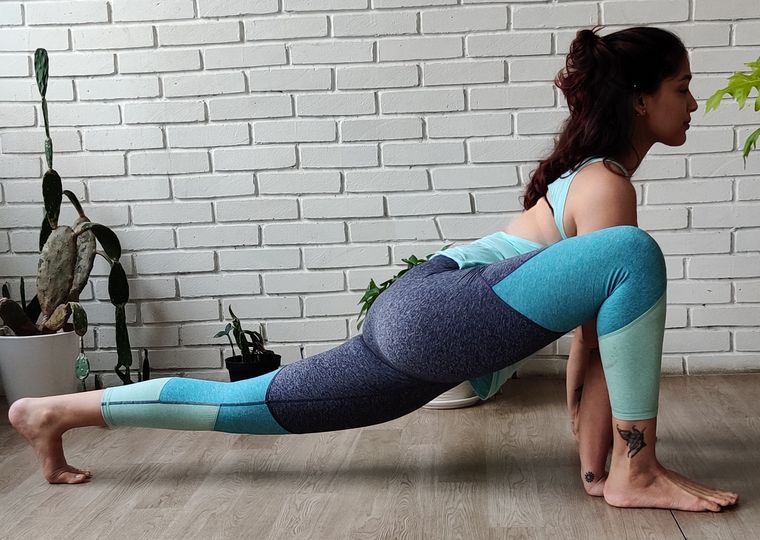
Do not overtrain and overstress your body
Physical movement is necessary for the body but never overtrain. Workouts should be stress-reducing but that is not always the case. Some vigorous workouts that your body may not be ready for could cause hormonal imbalances, unusual irritability and an inability to concentrate. Overtraining significantly affects your stress hormones, including cortisol and epinephrine.
Signs of overtraining
- Unusual and persistent muscle soreness after a workout
- Unable to complete your workout routine which was previously manageable (decline in performance levels)
- Delayed recovery
- Legs might feel heavy
- Loss of motivation
Rest day
A successful fitness plan is not complete without rest days. Taking regular breaks allows your body to recover and repair. It is an important part of your progress, regardless of your fitness level. Skipping rest days can lead to overtraining or burnout. Rest days help reduce muscle fatigue and mental fatigue. It also helps reduces risks of injury and improves performance.
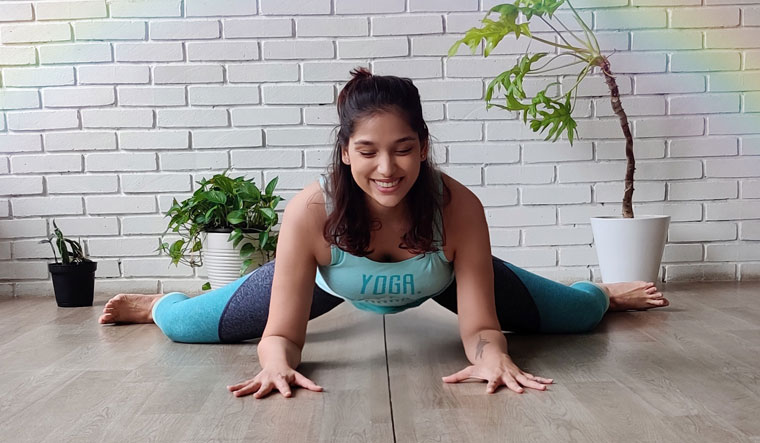
Have fun
The key to staying motivated and making exercise a habit is to have fun while doing it. This allows you to not dread having to exercise. Find a workout buddy or join a group class. Find something that you love and keep tracking your progress.
Sleep like a baby
Sleep has a significant impact on muscle recovery. Sleep enhances muscle recovery through protein synthesis and human growth hormone release. Poor sleep pattern is detrimental to your mental health and it also increase muscle and mental fatigue. Poor sleep could make your workout seem much harder the next day.
So, what are you waiting for? Get moving!
Shetty is a Mumbai-based celebrity fitness instructor, mental health advocate and a lawyer by profession.
