



Smartphones pricing situation continues to be troubling with RAM and chips pricing not going down anytime soon. We have seen smartphone brands prioritise battery life and other features while they try to save on RAM and chipset costs.
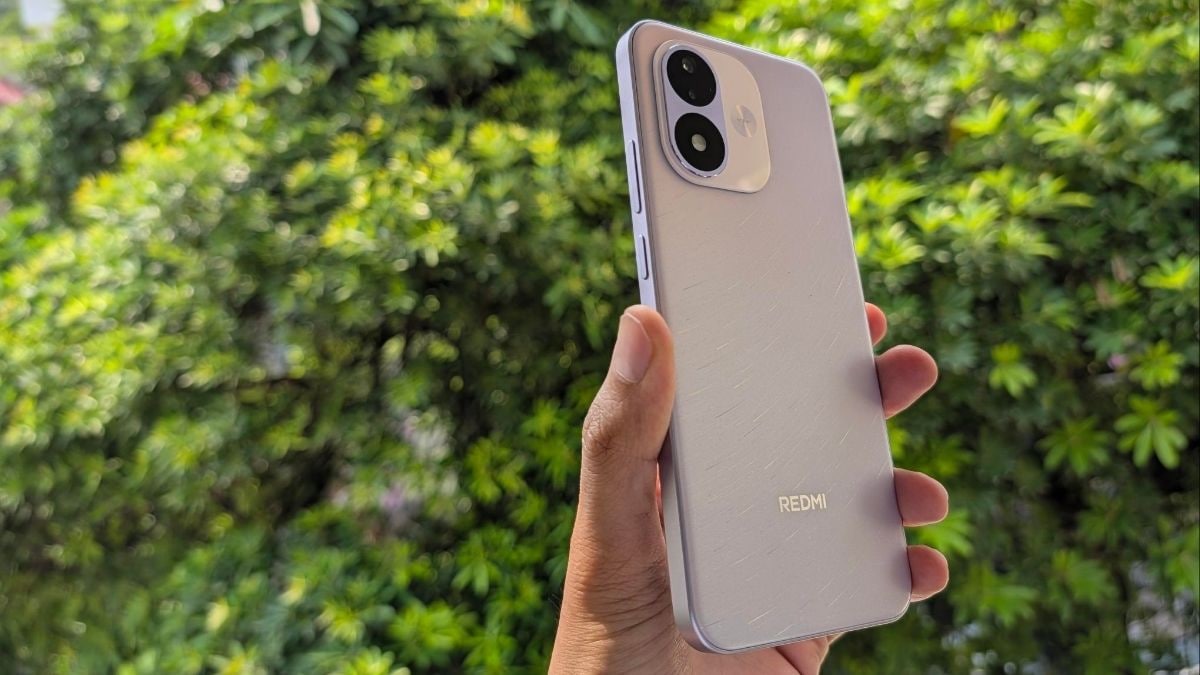
The Redmi Note 17 falls somewhere in between—great 2 days of battery life, while the performance isn’t the best but it’s still decent for the current offerings while giving a quality display as well as a familiar design in place.
The 8,000mAh silicon carbon battery lasted me over 2 days quite often such that I didn’t have to keep an eye on the battery percentage left when on the move for a whole working day. You can charge it using the 45-watt charger in about 2 hours, with little to no heating seen.
The display has Corning’s Gorilla Glass 7ii for added protection while the 7-inch (1080x2396) display itself, with support for up to 120Hz refresh rates, doesn’t disappoint with its good viewing angles and good colour reproduction for watching high resolution videos or viewing images with somewhat vivid colours.
On the other hand, the rear-facing 50Mp (f/1.8) main camera does an okay job of taking detailed shots with colours in place but don’t expect a lot of great dynamic range or subject contrast - even more so if the lighting condition isn’t great or if the subject is moving. The front-facing 8MP (f/1.8) camera is fine for occasional selfies or group shots in daylight, and it also handles video calls indoors well.
The device is equipped with the Qualcomm Snapdragon 4 Gen 4 chipset (up to 2.3Ghz octa core processor, Adreno 613 GPU) coupled with 8GB LPDDR4X RAM and 256GB UFS 2.2 internal storage with support for up to 2TB external microSD card, which of course isn’t exactly reasonably priced these days, if you were to buy a new one.
The higher variant is priced at ₹30,999 while the base model with 128GB internal storage goes for ₹27,999. I wouldn’t call exactly these value for money devices as previously you would associate with Redmi Note devices, that’s just how it seems to be across most of the smartphone industry.
The phone runs on Android 16 based HyperOS 3. Day to day tasks here are managed efficiently with very little animation drops seen when switching between apps. You can carry on your tasks such as WhatsApp messaging and calling, regular voice calls, YouTube videos as well as odd gaming session for not-so-heavy games such as Monument Valley without much trouble but I wouldn’t tag this as anything with much higher performance in store than this. The company promises 4 years of OS upgrades and 6 years of security patches, which is nice to see.
The phone weighs 215grams and is made of polycarbonate and feels decent in the hand. It comes in Starlight Purple, Dark Night and Arctic Blue colour options. This is an IP65 dust- and water-resistant device, so occasional splashes during monsoons shouldn’t be a problem here.
Call quality and network reception on the phone is more than good enough such that you can work and browse the Internet smoothly wherever the network coverage is decent itself.
The camera is where the phone starts to show its ceiling. The 50MP (f/1.8) rear camera is fine to say the last. It can take some AI enhanced shots to boose details but can often feel missing out on colour range or details especially when indoors or when outdoors with less-than-ideal lighting conditions. The front-facing 8MP (f/2.0) camera does an okay job for video calling as well as selfies if your hands can stay still while taking the shot.
Wrapping this up, the Redmi Note 17 comes across as a mixed bag - great battery life, clearly, a quality display but the camera is nothing to boast about. While the performance is decent, you would find it hard to call it a value device, which isn’t surprising as of now for the industry.
