



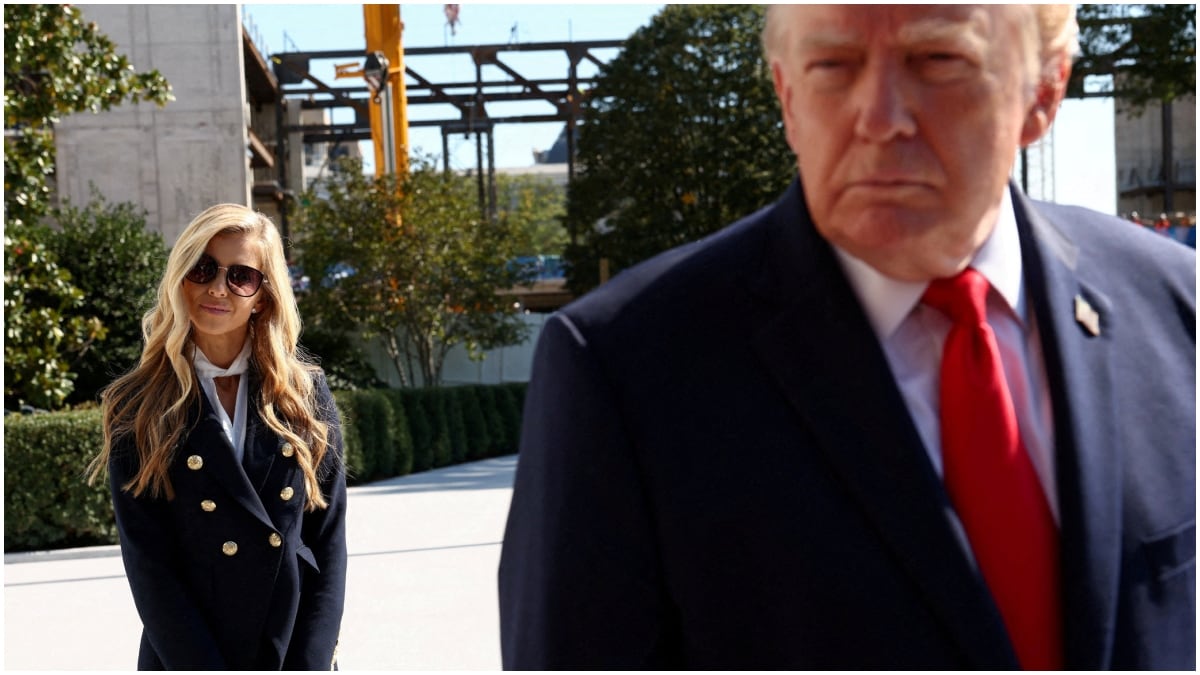
Katie Zacharia left the post of White House press secretary yesterday after just five days, the shortest tenure in the office’s history. The White House said she would move to another assignment. Her swift departure has drawn attention less to Zacharia herself than to the circle of advisers who secured her appointment and the rivalries shaping the Trump administration.
Zacharia was an unpaid conservative commentator on cable television who caught President Donald Trump’s attention with her forceful defence of him on air. With his approval ratings falling ahead of the midterm elections, Trump wanted a more aggressive public messenger. He offered her the job during a meeting in the Oval Office, without formal vetting or consulting Chief of Staff Susie Wiles. Natalie Harp, a loyal personal aide to the president, had championed her appointment.
The problems began at Zacharia’s first briefing, which lasted less than 15 minutes. She read haltingly from a script, struggled to command the room and said she did not know whether the United States had suspended intelligence-sharing with Ukraine. Questions about her legal credentials followed after Trump referred to her as an attorney. Asked about them on the South Lawn, she said she had passed the bar examination “when I moved to China”. She later acknowledged that she had failed the California bar examination in 2011 and had never retaken it.
Subsequent appearances did little to repair the damage. In a prime-time interview, Fox News host Sean Hannity pressed her on how her qualifications had been presented, while a Friday morning appearance on Fox & Friends went little better. Hours later, Trump publicly said he had advised her to reconsider whether she wanted the position.
The episode left Wiles in an awkward position. Trump had bypassed her to appoint Zacharia, and speculation soon arose over whether the chief of staff had subsequently helped engineer her downfall. Some reports alleged that Wiles and White House spokesperson Danielle Alvarez helped arrange the Hannity interview, which sources described as a “sanctioned hit” intended to expose Zacharia’s lack of preparation. Critics pointed to Wiles’ close relationship with Hannity. Administration officials and Fox News insiders dismissed the account as unfounded. A senior White House official argued that Wiles had no reason to intervene, saying Zacharia’s answers about her legal background and her poor performance on morning television were sufficient to end her tenure.
The controversy has unfolded against an already tense backdrop. Reports over the past few days have described mounting feuds within the White House, with one Trump ally calling the West Wing “the new Wild Wild West”. Harp reportedly handed Trump a printed copy of a news report about his conversations with advisers on possible replacements for Wiles. Trump reacted angrily, defending his chief of staff, while her allies moved to project an image of stability.
Other figures have been seeking to expand their influence. Bill Pulte, a senior housing official, has tried to impress Trump by bringing large presentation boards on Federal Reserve interest rates and renovation plans aboard Air Force One and Marine One. Former campaign manager Corey Lewandowski has reportedly offered discreet support.
Wiles’ position has also been complicated by the activities of two of her key political strategists, James Blair and Chris LaCivita, who travelled to Republika Srpska in Bosnia to advise its pro-Russian political leadership. Trump was displeased and warned on Truth Social that he would dismiss anyone whose outside work created a conflict of interest. The controversy deepened after reports that Wiles’ daughter, Katie Wiles, had visited the same enclave on behalf of a lobbying firm.
Other disputes have reinforced the impression of an administration beset by internal friction. Two prominent Trump allies, Richard Grenell and Alina Habba Mildon, have clashed publicly. Greek ambassador Kimberly Guilfoyle has been dismissed, while State Department official Paolo Zampolli has been removed.
Reports that Trump was consulting outside advisers about Wiles’ future triggered further manoeuvring among aides who expect her to leave after the midterm elections. Those mentioned as possible successors include Deputy Chief of Staff Stephen Miller, Environmental Protection Agency Administrator Lee Zeldin, Pulte and Director of National Intelligence Jay Clayton.
Former officials have cautioned that presidential praise offers little guarantee of job security. Mick Mulvaney, a former acting chief of staff, recalled that Trump had made almost identical remarks about him shortly before removing him in 2020. Some observers believe that, if Wiles leaves after the midterms, Trump may seek a chief of staff better equipped to navigate congressional oversight, subpoenas and possible impeachment proceedings if Republicans lose control of Congress.
Trump has dismissed the reports as “fake news”. On Truth Social, he declared there was “zero chance” of Wiles being fired, described her as his “loyal and longest-serving Chief of Staff” and insisted she would remain for a long time. Yet reports suggest that he has privately expressed frustration over the shortage of forceful television defenders and dissatisfaction with his core political strategists.
The tensions are mounting less than three weeks before voters go to the polls. Trump’s disapproval rating stands at 64 per cent, a historic high. Fuel prices, inflation and the war in Iran are fuelling discontent, while internal Republican polling points to weakening support for candidates across the country. With control of both the House of Representatives and the Senate in doubt, aides are already positioning themselves for the fallout, each seeking to ensure that the blame for an adverse result falls elsewhere.
