



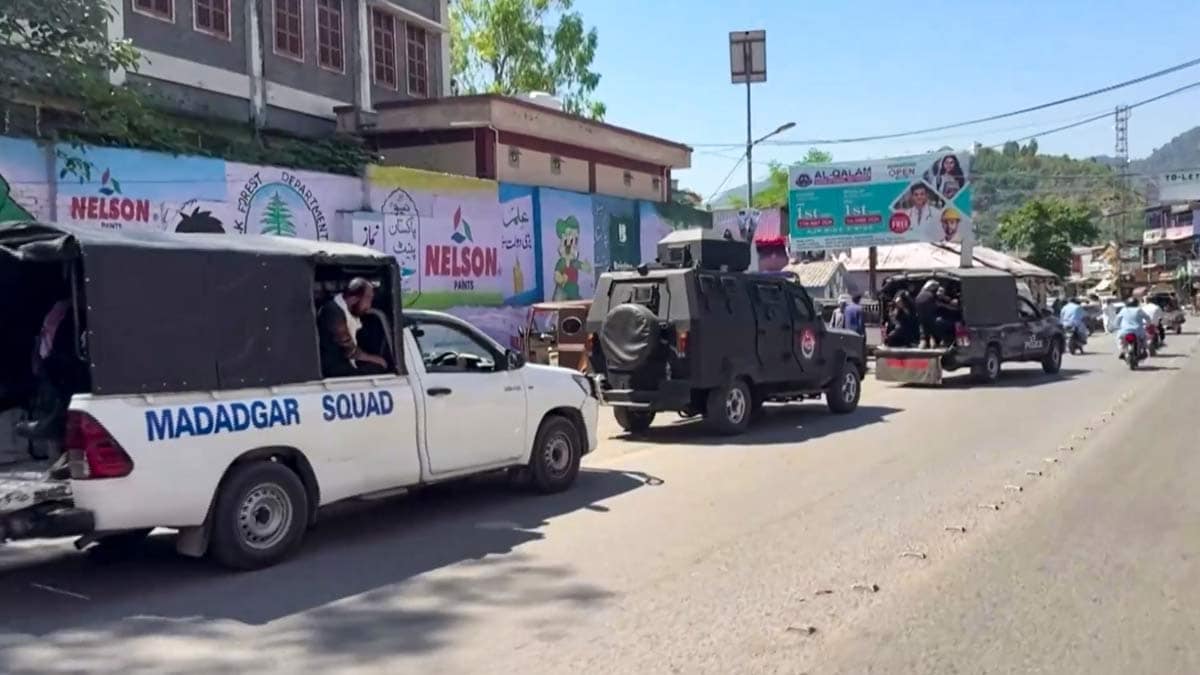
Tension continues to escalate in Pakistan-occupied Kashmir (PoK) after clashes between Pakistani security forces and protesters linked to the Joint Awami Action Committee (JAAC) left at least 30 people dead and over 200 injured.
Reports said more than 2,000 people joined a protest march organised by the JAAC from Mirpur to Muzaffarabad on Tuesday, a day after the group was declared unlawful by authorities, citing public order and security concerns.
According to a Dawn report, hundreds gathered at Quaid-i-Azam Stadium in Mirpur, while shops and markets remained shut in several towns. Security forces have been deployed across key areas, and a communication blackout has been imposed in parts of the region.
The JAAC has been leading the protests demanding subsidised flour and electricity, as well as the abolition of 12 “refugee seats” in the so-called Legislative Assembly of PoK. These seats are reserved for refugees from Jammu and Kashmir who settled in Pakistan after 1947.
Clashes between protesters and Pakistani security forces were reported in Rawalakot and Muzaffarabad, while shutdowns continued in Bhimber and Kotli.
The situation has been simmering for some time, but the latest escalation followed deadly clashes on Sunday night in which seven civilians were killed. According to an intelligence dossier, 19 children and seven pregnant women lost their lives in the ensuing clashes.
Authorities on Tuesday announced a reward of Rs 10 million for information leading to the arrest of key JAAC leaders, including Shaukat Nawaz Mir, Omar Nazir Kashmiri, Sardar Aman, and Khawaja Mehran.
PoK’s so-called Prime Minister Faisal Mumtaz Rathore urged a return to negotiations to defuse tensions in the region.
Meanwhile, India strongly criticised Islamabad for its “brutality” in PoK and called on the international community to hold Pakistan accountable for alleged human rights violations.
External Affairs Ministry spokesperson Randhir Jaiswal said there were repeated attempts by Pakistan to suppress information and deflect attention from its internal issues.
“We continue to see in this context a pattern of fake news and videos emanating from Pakistan. It is a desperate attempt by Pakistan to cover up its own failings and deflect attention away from its human rights abuses,” he said.
