



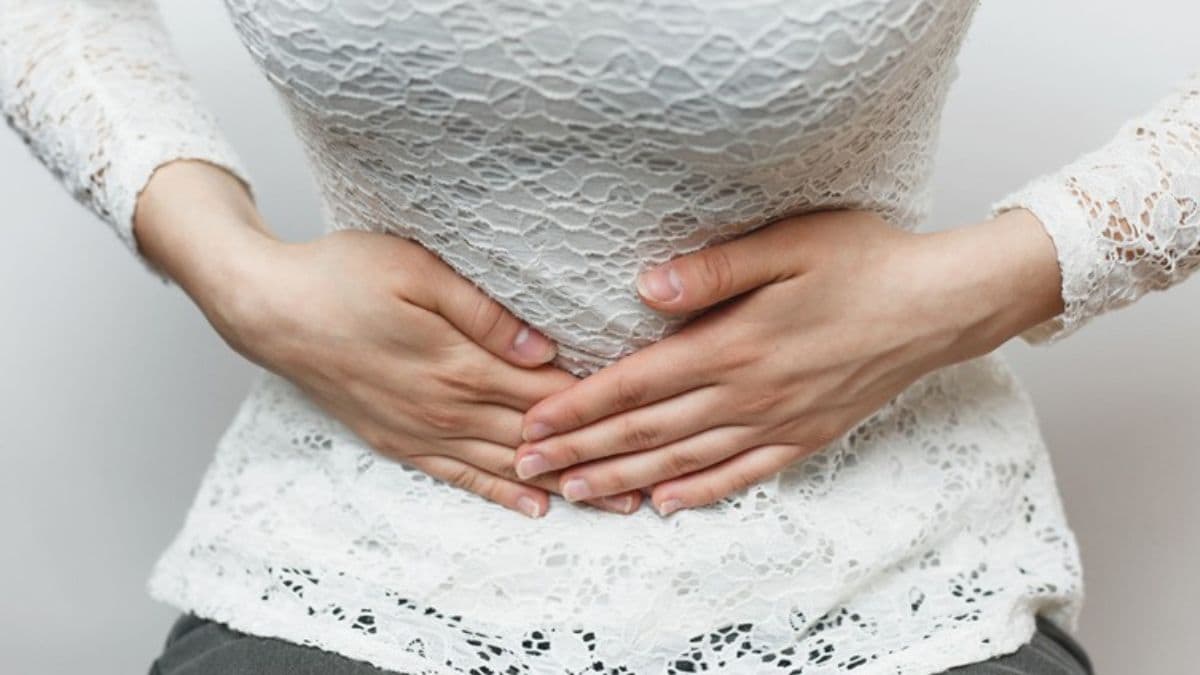
For many women living with endometriosis, it’s the one symptom that arrives without warning and refuses to be reasoned along with the stomach that seems to inflate within hours, turning a perfectly ordinary morning into an afternoon spent in loose clothing and quiet discomfort. This is what patients and clinicians alike have come to call "endo belly," and though it sounds like an informal turn of phrase, the experience behind it is very real, often painful, and frequently misunderstood.
The sudden swell
Unlike the gradual bloating that follows a heavy meal, endo belly tends to appear abruptly. A person might wake up looking and feeling entirely normal, only to find that by midday their abdomen has visibly distended, sometimes enough to change how their clothes fit. It is not simply a feeling of fullness; the swelling is often visible and can fluctuate dramatically within the same day. Doctors note that this pattern, sudden onset followed by equally sudden resolution, is one of the clearer signs that something more than ordinary digestion is at play.
Where inflammation fits in
Endometriosis occurs when tissue resembling the uterine lining grows outside the uterus, commonly on the ovaries, fallopian tubes or the lining of the pelvis. This misplaced tissue behaves much like it would inside the womb, thickening and breaking down with the menstrual cycle, except it has nowhere to go. The result is chronic inflammation in the pelvic and abdominal region. That inflammation can affect the bowel and surrounding organs, disrupting normal digestive rhythm, slowing motility and encouraging fluid retention and gas build-up. Hormonal shifts across the menstrual cycle, particularly rising oestrogen, can intensify this inflammatory response, which is why many notice their symptoms worsening around ovulation or just before their period.
Cutting through the diet myths
It is extremely easy and tempting to attribute all cases of bloating to food, but there is no denying that certain foods, such as dairy products, excessive sodium intake, or carbonated beverages, may cause discomfort in some people. However, reducing endo bloating to a digestive problem that can be cured by sticking to a healthy diet fails to understand the complex nature of this phenomenon, which is linked to inflammation and hormonal changes in the body. Excluding foods from your diet without consulting a doctor hardly solves the problem of bloating and may even lead to harmful restrictions. No less dangerous is the assumption that extremely painful bloating is just a natural phenomenon associated with menstrual cycles.
When to see a doctor
Occasional bloating is common and rarely a cause for alarm. What warrants medical attention is bloating that is severe, recurrent, tied closely to the menstrual cycle, or accompanied by other symptoms such as pelvic pain, painful periods, discomfort during intercourse, or changes in bowel habits. Because these signs overlap with several gynaecological and gastrointestinal conditions, a proper evaluation, which may include a pelvic examination, ultrasound or, in some cases, laparoscopy, is essential for an accurate diagnosis. Endometriosis is notoriously slow to diagnose, with many patients seeing multiple doctors over several years before receiving an answer, so persistent or worsening symptoms should never simply be dismissed as "just bloating."
Raising awareness about endo belly matters because it challenges the instinct to normalise pain that isn't normal. Recognising the pattern- sudden, cyclical, inflammation-driven swelling, rather than reaching first for dietary blame- could help far more women get the timely diagnosis and care they deserve.
The author is the Director - Obstetrics & Gynaecology, at CK Birla Hospital, Gurgaon.
The opinions expressed in this article are those of the author and do not purport to reflect the opinions or views of THE WEEK.
