



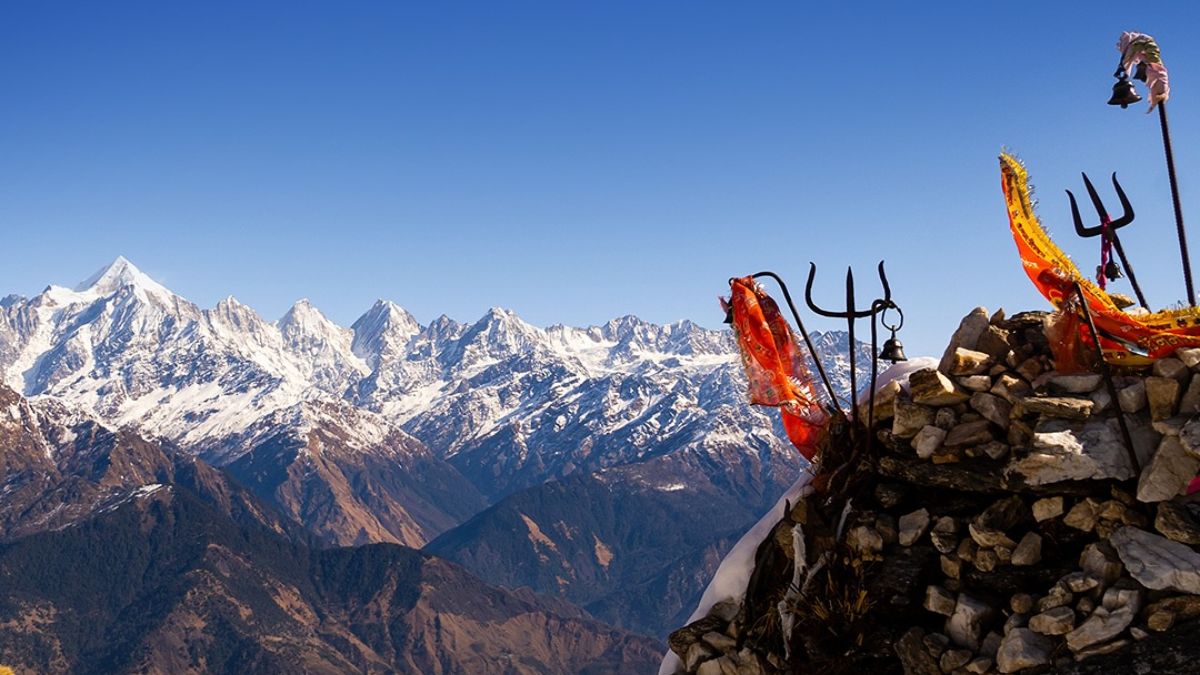
Uttarakhand, often referred to as the 'land of the Gods', is a treasure trove of natural beauty and cultural heritage. Nestled in the lap of the Himalayas, this northern Indian state is renowned for its picturesque landscapes, ancient temples, and vibrant traditions.
Heritage tourism plays a crucial role in preserving the rich cultural and historical legacy of Uttarakhand, offering visitors a unique glimpse into its storied past. From majestic forts to sacred temples, the state's heritage sites are a testament to its diverse history and architectural brilliance.
This write-up delves into the various aspects of heritage tourism and conservation activities in Uttarakhand, highlighting the significance of these efforts in maintaining the region's cultural integrity.
Manas Khand Mandir Mala Mission
Manas Khand Mandir Mala Mission is an ambitious initiative by the Uttarakhand government aimed at developing and promoting the ancient puranic temples located in the Kumaon region. This mission is inspired by the success of the Char Dham Yatra in the Garhwal region and seeks to enhance religious tourism in Kumaon by improving infrastructure and other facilities around these historic temples.
This is one of the important initiatives by the Tourism Board, and comprehensive planning is being undertaken, and tourism development plans are being created according to which development will be done in the region.
The Tourism board has also tied up with IRCTC to launch dedicated Bharat Gaurav trains under the Manaskhand Express, which will ply from major railheads in the country and showcase the rich and ancient history of the Kumaon region.
Jageshwar Temple Complex in Almora
The Jageshwar Temple Complex is a significant Hindu pilgrimage site located in the Jataganga river valley, surrounded by dense deodar forests. Renowned for its serene environment and architectural grandeur, the complex comprises 125 ancient temples dating back to the 7th to 14th centuries. Jageshwar is considered one of the twelve Jyotirlingas, making it a vital site for Shaivism.
The temples are primarily dedicated to Lord Shiva, with some dedicated to other deities like Vishnu, Shakti, and Surya, and follow the North Indian Nagara style with intricate carvings and stone structures. Key temples include the Jageshwar Mahadev Temple, Dandeshwar Temple, Chandi-ka-Temple, Kuber Temple, and Mrityunjaya Temple. The Jageshwar Monsoon Festival, held during the Hindu month of Shravan (July-August), and the annual Maha Shivratri Mela are major events that attract thousands of devotees, marked by vibrant celebrations, rituals, and cultural performances.

Jageshwar is located about 36 kilometres northeast of Almora and is accessible by road, with the nearest major town being Haldwani. Comprehensive development of this site is being undertaken by the Tourism Board, including the lighting of the entire temple complex.
Timmarsain Mahadev
Timmarsain Mahadev, also known as Chhota Amarnath, is a sacred cave dedicated to Lord Shiva, located in the Niti village at an elevation of 3600 meters in Chamoli district, Uttarakhand, India. This cave is renowned for its natural formation of a Shivling made of snow, closely resembling the famous Amarnath shrine in Jammu and Kashmir.
The Timmarsain Mahadev cave holds immense spiritual significance for devotees of Lord Shiva. During the winter season, a natural Shivling forms inside the cave, attracting pilgrims who come to pay their respects. The site is also associated with Goddess Parvati and Lord Ganesha, making it a holistic pilgrimage destination.
For the sustainable development of the location, a comprehensive plan with interventions like the development of trek routes, ghat areas, and an entrance gate has been proposed.
Mahasu Devta Temple
The Mahasu Devta Temple is a revered Hindu temple located in Hanol village, near Barkot in the Uttarkashi district of Uttarakhand. Dedicated to Mahasu Devta, an incarnation of Lord Shiva, this temple is a significant cultural and religious site in the region.
Dating back to the 9th century, the temple is built in the traditional Koti-Banal style of architecture, characterised by the use of stone and wood with intricate carvings. The Mahasu Devta Temple showcases detailed wooden carvings and robust construction designed to withstand the harsh weather conditions of the region, reflecting the skill and creativity of ancient builders and the region's rich cultural heritage.
The temple is the centre of several local festivals, including Bissu, Jagda, Paush ki Dhaal, and Budhi Diwali, celebrated with great fervour, attracting devotees from various parts of the state. Located on the eastern bank of the Tons River in Hanol village, about 190 kilometres from Dehradun and 156 kilometres from Mussoorie, the temple is well-connected by road, offering picturesque views of the Himalayan landscape.
The Tourism Board has also developed a comprehensive tourism development for the region to undertake planned development for the temple complex.
Historical Naulas of Uttarakhand
Naulas, traditional water harvesting systems, are an integral part of Uttarakhand's heritage. These ancient structures, often intricately carved and built near temples or villages, have been used for centuries to collect, store, and recharge groundwater. Naulas are not only functional but also hold cultural and religious significance, often associated with local deities and rituals.
They represent Uttarakhand's vibrant mountain water culture, its settlements, land, and forests. This heritage needs to be safeguarded and revived not only for water security and conservation but also as a unique testimony to the ancient heritage and the artistic and cultural achievements of Uttarakhand state.
The historic Naulas and associated intangible heritage can emerge as an important historical and cultural asset, which can help promote and diversify tourism in the state.
Local bodies and communities have an important role to play in their long-term conservation and maintenance. The government can play a crucial role in generating awareness and building skills for their conservation, environmental improvement, and long-term maintenance.
Naulas need to be first identified, listed, and documented as an important cultural asset for the state and its people. As part of this project, Naulas in the Champawat district are being listed across four different administrative blocks: Champawat, Lohaghat, Barakot, and Pati.
The Tourism Board has undertaken comprehensive restoration studies for these Naulas in association with the Indian Heritage Cities Network Foundation (IHCNF) for inclusion of these ancient systems in the UNESCO intangible heritage list.
Conservation of Naulas in Champawat district is one such example of Naula Conservation, Environmental Improvement and Tourism Promotion. The project was initiated by the Uttarakhand Tourism Development Board (UTDB), Dehradun, Uttarakhand, with technical assistance from the Indian Heritage Cities Network Foundation (IHCNF), Bengaluru.
The 13 most significant Naulas from the Champawat district are proposed to be taken up on a pilot project basis to enable immediate implementation of conservation and environmental works. Detailed Project Reports (DPRs) are prepared for their repair, conservation, and environmental improvement works.
Sir George Everest's Residence, Mussoorie
The restoration of Sir George Everest's historic residence in Mussoorie, Uttarakhand, was a significant project that aims to preserve and celebrate the legacy of one of the most prominent figures in the history of geography and mountaineering. George Everest, a British surveyor and geographer, served as the Surveyor General of India from 1830 to 1843.
His meticulous work in mapping the Indian subcontinent laid the groundwork for the discovery of Mount Everest, the highest peak on Earth, which was named in his honour. The restoration of his residence, also known as the Everest House, is not only a tribute to his contributions but also a step towards promoting cultural heritage and tourism in the region.
Initiated by the Uttarakhand Tourism Board with funding from the Asian Development Bank (ADB), the project aims to restore the house to its original glory while making it a significant tourist attraction. The restoration work includes repairing the crumbling structures, preserving the original design, and enhancing the surrounding area to make it more accessible and attractive to visitors.
One of the key aspects of the restoration is maintaining the historical integrity of the building. Historians and conservationists have emphasised the importance of preserving the original layout and design of the house. Old photographs and records have been consulted to ensure that the restoration work stays true to the original structure.
The project also includes the development of a one-kilometre-long pathway to the house, designed with cobbled stones to give it a heritage look. The site also serves as a counter magnet to Mussoorie, helping it to release and divert the tourist flow.
Forts in Uttarakhand
The state boasts several historical forts that stand as symbols of its rich past and strategic importance.
The Pithoragarh Fort, built in the 14th century by the Chand dynasty, offers panoramic views of the surrounding valleys and mountains.
The Banasur's Fort (Banasur ka Kila), associated with the mythological King Banasur, holds both historical and mythological significance.
The Balbhadra Khalanga Dwar Nalapani Fort is renowned for its role in the Anglo-Nepalese War, symbolising Gurkha bravery.
Chandpur Garhi Fort, with its walls and ruins of dwelling houses, reflects the architectural prowess of the era.
These forts are popular tourist attractions, offering guided tours, historical exhibitions, and opportunities for photography. The forts' strategic locations and historical narratives make them fascinating destinations for history enthusiasts and adventure seekers alike.
Tourism activities at these forts are designed to provide visitors with an immersive and educational experience. Guided tours led by knowledgeable local guides offer detailed historical narratives, bringing the forts' storied past to life.
Special night tours with light and sound shows create a captivating atmosphere, highlighting the architectural beauty and historical significance of the forts. Cultural events, including traditional dance and music performances, celebrate the region's heritage and attract tourists from around the world.
Adventure activities such as trekking and hiking trails around the forts offer opportunities for exploration and photography, capturing the scenic beauty and architectural marvels. Educational programs, including workshops and seminars, provide insights into the history and significance of the forts, engaging students and history enthusiasts in meaningful learning experiences.
Protected monuments of Uttarakhand
The state is home to several protected monuments and sites under the Archaeological Survey of India (ASI) and state archaeology. Each of these sites holds immense historical and cultural value, reflecting the architectural prowess and religious significance of the region. The Narayankoti Group of Temples in Rudraprayag and the Vaitarni Group of Temples in Gopeshwar are notable for their intricate carvings and ancient inscriptions.
These sites attract a significant number of tourists annually, with peak seasons during major festivals and religious events. Efforts by ASI, UTDB and state authorities ensure the preservation and maintenance of these heritage sites, allowing future generations to appreciate their historical importance.
Banasur's Fort, Lohaghat
Located in Lohaghat at a height of 1859 m above sea level, the Banasur's Fort is located near a place called Karnarayat at a distance of about 7 km from Lohaghat and can be reached after walking a distance of 1.6 km from the main road. It was constructed in the medieval period. From this place, on one side the view of the magnificent ranges of the Himalayas can be seen, while on the other side, Mayawati Ashram located in Lohaghat and other natural beauty can also be enjoyed. The Tourism Board is developing a comprehensive tourism development for the restoration and promoting it as a tourist destination.
Heritage tourism and conservation activities in Uttarakhand play a vital role in preserving the region's rich cultural and historical legacy. By promoting sustainable tourism practices and involving local communities in conservation efforts, these initiatives ensure the protection and maintenance of heritage sites for future generations.
The diverse range of heritage sites, from ancient temples and forts to traditional water harvesting systems, offers visitors a unique glimpse into Uttarakhand's storied past.
The potential for future development and promotion of heritage tourism in the region is immense, with opportunities to enhance visitor experiences and raise awareness about the importance of preserving cultural heritage.
As Uttarakhand continues to attract tourists from around the world, the collaborative efforts of government bodies, local communities, and conservation experts will be crucial in safeguarding its heritage for years to come.
The writer, Sachin Kurve, is the Tourism Secretary and CEO of Uttarakhand Tourism Development Board (UTDB)
