



There were just 22 flights a month from the UK to an otherwise unremarkable town in Norway called Tromso last December. That is set to shoot up to nearly 90 this month.
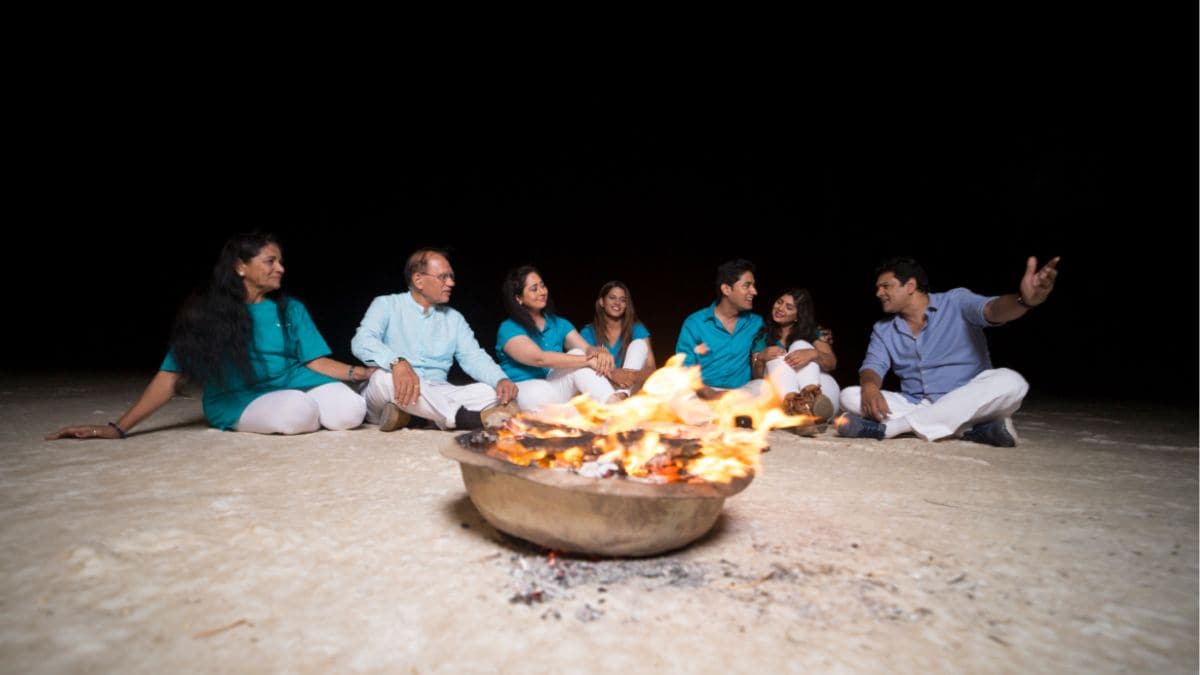
Tromso is the base town in Norway, where tourists embark on expeditions into the Arctic to catch the Northern Lights and go whale watching. This spike also signified what many in the travel industry are tipping to be one of the biggest trends in travel in the coming year—noctourism, or in other words, nighttime tourism, where people want to focus on experiences after the sun goes down.
Travellers are "rewriting the playbook" in 2025, wanting to redefine how they experience and engage with the world around them, says Booking.com, one of the world’s biggest travel sites, which put "Noctourism" as one of the biggest trends shaping travel in 2025.
With space tourism also set to become a reality soon (or is already a reality provided you have the moolah to splurge on it), travellers want to stargaze their way into new astro-adventures. And for those who can’t afford that (or can’t get) that Schengen Visa and that trip to catch the Northern Lights (Besides Norway, it can also be caught from Iceland, Finland and Sweden in Europe, as well as Alaska and parts of Canada in North America), there are equally captivating experiences elsewhere—How about camping in the Rajasthan desert, or tenting it during the Rann Utsav (presently going on; till March) in the Rann of Kutch?
And it’s no Western trend, either. According to Booking.com, 78 per cent of Indian travellers it surveyed said they were interested in ditching the daylight crowds for some midnight magic, be it stargazing or constellation tracking. With tourists getting conscious about global warming and its impact on beach destinations, 69 per cent actually said they preferred cool weather destinations because of climate change concerns (73 per cent, possibly largely women, also said they wanted to avoid sun exposure by going to cooler destinations and try noctourism!). Another interesting find? 72 per cent said they will seek accommodations with minimal light pollution to preserve nature.
Santosh Kumar, country manager (India, Sri Lanka, Maldives and Indonesia) at Booking.com said, “Travel in 2025 marks just the beginning of a more thoughtful, intentional approach to exploring the world. Travellers are no longer satisfied with traditional, cookie-cutter experiences. Instead, they’re seeking trips that defy conventions and align with their personal values (including) sustainability.”
