



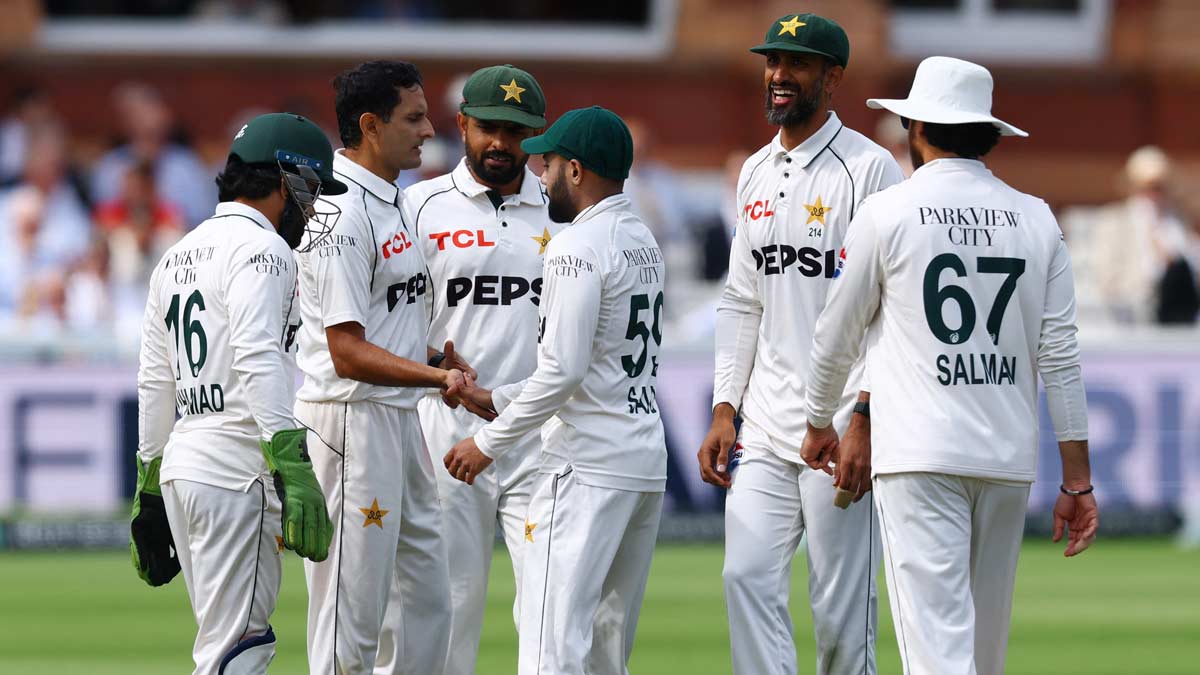
A disastrous tour of England has plunged Pakistan cricket into turmoil, with the Pakistan Cricket Board (PCB) taking a drastic step of recalling seven senior players and two coaches midway through the series. The decision, which followed heavy defeats at Headingley and Lord's, has exposed deep rifts within the management, sparked an official inquiry into a player's controversial injury, and prompted a high-profile selector to offer his resignation.
The storm is centred around opener Imam-ul-Haq, who made a quiet, low-profile return to Pakistan after being one of the seven players sent home. The controversy ignited after Imam sustained a calf injury while fielding on the first day of the second Test at Lord's and subsequently failed to bat in either innings of Pakistan's 194-run loss.
His absence from the crease has drawn sharp criticism, most notably from Aaqib Javed, a senior member of the national selection committee. Javed publicly questioned the severity of the injury and demanded a formal investigation into the matter.
"An inquiry will be conducted into this matter," Aaqib told private news channel Geo TV. "How is it possible that you failed to come out to bat in both innings after pulling up a muscle?
"Injuries do occur, and we have seen instances in the past where players—even with casts—have gone out and made an effort. This situation is different. It is a matter of great concern, and action will be taken regarding it."
Imam’s situation has been further complicated by a history of suspicion. According to former chief selector Mohammad Wasim, who also expressed concern, the team's former physio, Cliffe Deacon, had previously flagged Imam’s “suspicious injury patterns” during a Test series against England in 2022. Compounding this, a PCB inquiry report from last year, which found Imam guilty of faking a toe injury on a tour of New Zealand, has resurfaced in the media.
Javed also confirmed reports of serious differences, revealing he had pushed for significant changes to the playing XI for the Lord's Test. He had advised head coach Sarfaraz Ahmed and captain Babar Azam to include fast-bowling all-rounder Ubaid Shah and wicketkeeper-batter Ghazi Ghori at the expense of Mohammad Rizwan.
"We can't just keep waiting," Javed said, expressing his frustration. "I had actually spoken to both the captain and the coach after the first Test, suggesting they include Ubaid, who bowls at 140 kph. Agha was rightly rested. Ghazi Ghori was available on the tour and should have played instead of Rizwan."
Instead, the tour management made only one change, dropping Salman Ali Agha.
The fallout from the tour, however, extends far beyond a single player. The PCB's sweeping changes have revealed a power struggle between the selection committee and the team management on tour. Misbah-ul-Haq, the former Pakistan captain and a key member of the selection committee, has offered to step down after being completely sidelined from the decision-making process.
Misbah was reportedly unhappy after the PCB issued a notice to the selection committee demanding an explanation for the initial selections of Imam-ul-Haq and Mohammad Rizwan. The board then proceeded to overhaul the squad and coaching staff in England without consulting him with just one Test remaining in England.
In response to the back-to-back defeats, the PCB not only recalled the seven players but also removed head coach Sarfaraz Ahmed and bowling coach Umar Gul. For the final Test in Birmingham, white-ball head coach Mike Hesson and bowling coach Ashley Noffke will take charge of a radically different squad. The new-look team features five uncapped players and two openers, Saim Ayub and Abdullah Fazal, who have a combined experience of just 10 Tests.
For now, Pakistan cricket finds itself at a crossroads, facing questions about player integrity, selection policy, and rift within the management.
