



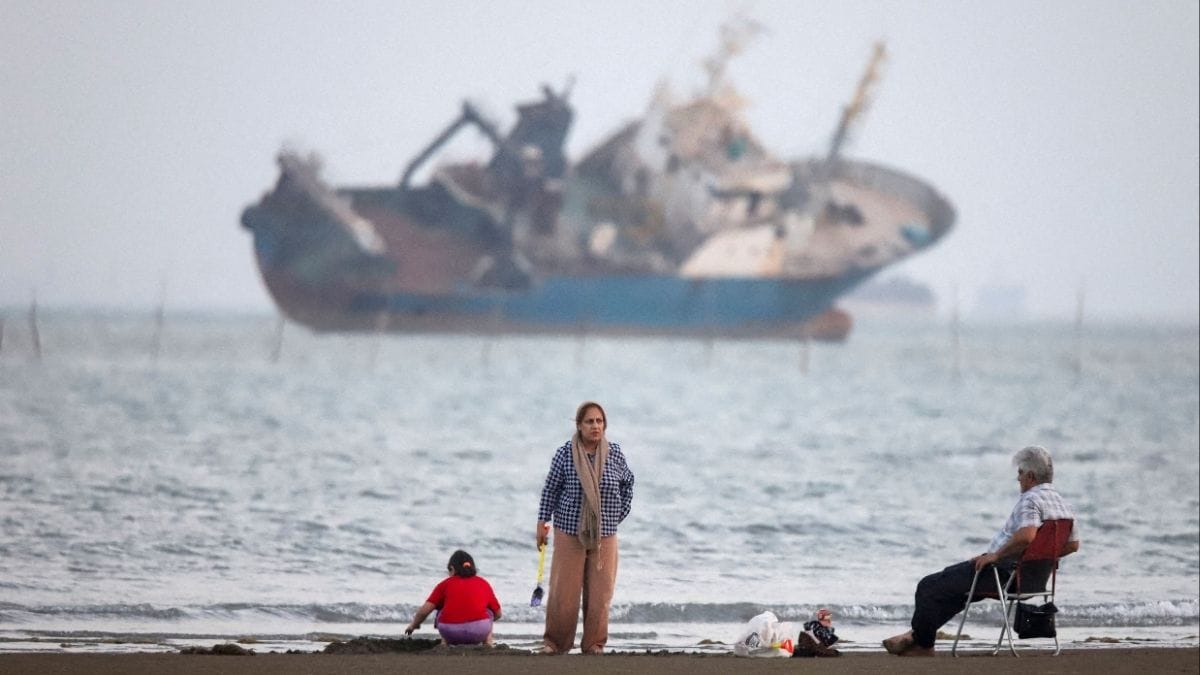
As the conflict moves into its sixth month, its footprint has expanded well beyond the Gulf, drawing in new theatres and producing a more complex, less predictable environment.
On July 31, Ukraine struck Iranian cargo ships in the Caspian Sea; actions Kyiv said targeted vessels under international sanctions that were being used to transport military cargo to Russia.
Simultaneously, US‑Saudi joint air strikes hit sites in Iraq linked to Popular Mobilisation Forces, or al‑Hashd al‑Shaabi, an armed coalition that includes powerful pro‑Iran factions.
Riyadh’s participation, the first openly acknowledged military action inside Iraq since 1991, marks a notable shift that adds further diplomatic strain and operational complexity to an expanding conflict. Baghdad’s presidency described the US-Saudi raids as a blatant breach.
The Middle East conflict is demonstrating a pattern of escalation punctuated by sudden, high‑impact attacks and rapid retaliations. A ceasefire intended to run for 60 days collapsed within weeks, underscoring how fragile any pause in hostilities has become.
After a brief lull and renewed talk of negotiations, on July 30, Iran launched surprise ballistic missile and drone strikes on American forces and facilities across the region, including reported strikes on bases in Kuwait and Bahrain.
Iranian state media said aircraft shelters, satellite communications systems and equipment storage facilities at Kuwait’s Ahmad al‑Jaber air base were targeted, and that power generators, navigation systems and support buildings at Sheikh Isa base in Bahrain were hit.
Tehran’s approach appears to combine direct strikes with proxy pressure and efforts to internationalise the conflict in ways that affect global economic interests.
The Houthi movement in Yemen has repeatedly demonstrated the capacity to threaten shipping through Bab el‑Mandeb and to disrupt Red Sea transit, and incidents such as the July 29 fire aboard a regasification ship and an adjacent storage vessel at Damietta on Egypt’s Mediterranean coast have heightened concerns about maritime vulnerability; albeit the Houthis denied involvement in that particular incident.
Such disruptions have produced operational consequences: vessels have made U‑turns, automatic identification system (AIS) gaps have appeared, and some operators have delayed crossings or rerouted shipments.
In response, Gulf producers have increased use of alternative export routes, including Sidi Kerir via the SUMED pipeline, reflecting how the conflict is reshaping routing, loading and export decisions upstream of the chokepoints themselves.
Those maritime and energy disruptions have tangible economic effects. Attacks on facilities and threats to key waterways have contributed to higher oil prices and rising gasoline costs; Brent ended July near $90 per barrel.
The economic pain is feeding back into political calculations, particularly in the United States, where rising fuel prices and public dissatisfaction with the handling of the conflict have dented approval ratings and intensified pressure on US President Donald Trump ahead of midterm elections due in November.
That dynamic helps explain the urgency behind some of the recent military responses, even as it complicates prospects for a negotiated settlement that would satisfy the full range of concerns, including US demands regarding Iran’s missile and nuclear programs.
Within Iran, the widening of the conflict may serve multiple strategic purposes. Hardline elements could view broader regional engagement as opening additional options for retaliation and leverage, allowing Tehran to strike beyond a narrow set of American bases in the Gulf and to threaten a broader array of targets.
By threatening or disrupting global energy flows and maritime traffic, Iran and its allies can create economic pressure that reaches consumer markets and public opinion in the United States and elsewhere, a pressure that Tehran may calculate will influence Washington’s political calculus. That willingness to accept elevated risk in pursuit of leverage complicates diplomatic prospects and raises the possibility that escalation could be sustained or episodic rather than quickly resolved.
The involvement of third parties and the search for mediators have become central to diplomatic activity even as fighting continues. Gulf states have pushed for a larger role for Beijing, mindful that the conflict has exposed limits to American influence and that China has significant economic stakes in regional stability.
Chinese officials, including the foreign minister and a special envoy, have engaged with capitals across the region and with Tehran, while proposals for broader international conferences to safeguard shipping have been discussed, though not all have materialised. At the same time, the United Kingdom’s reported plan to host a conference on protecting ships in the strait did not come to fruition this week, but the underlying idea of broadening diplomacy is likely to return given the stakes for European and East Asian importers and exporters.
On the ground in Iraq, the US‑Saudi strikes against sites linked to the Popular Mobilisation Forces killed at least 20 fighters and intensified diplomatic friction with Baghdad. The raids highlighted the difficulty of distinguishing between state and non‑state actors in a theatre where militias, proxies and formal security institutions are often intertwined, and they underscored the political cost of external powers conducting operations on Iraqi soil.
Those operations have prompted Iraqi leaders to protest publicly and to frame the strikes as violations of sovereignty, complicating Baghdad’s ability to manage internal security and external pressures simultaneously.
Threats to the Strait of Hormuz and Bab el‑Mandeb, intermittent attacks on military and commercial targets, and the shifting of export routes all point to a sustained period of operational uncertainty.
Oman and Iran have held deputy‑level talks about potential ways to manage sea traffic if the strait is reopened. But while Muscat has resisted Tehran’s favoured idea of transit fees on the grounds that international law guarantees free and safe passage through straits used for international navigation, Tehran rejects the Omani proposal to divide navigation routes equally, on the basis that it does not address Iran’s security concerns.
Oman‑Iran discussions, while limited in scope and still short of a comprehensive settlement, represent one of the few active diplomatic channels aimed at reducing immediate maritime risk even as broader negotiations on nuclear and missile issues remain stalled.
The latest Saudi involvement, defended by the Gulf Cooperation Council, which expressed full support for Riyadh, signals a significant shift in the regional balance. Should Gulf Arab states decide to raise the stakes and escalate further, the operational and political consequences would broaden considerably. Shipping costs and insurance premiums would climb, alternative export corridors would be relied upon more heavily, and third‑party states with extensive trade exposure would face mounting pressure to intervene diplomatically. In such a scenario, the conflict would indeed move into uncharted territory, deepening its economic and diplomatic reverberations well beyond the immediate theatre and complicating any effort to stabilise markets or revive meaningful negotiations.

The author is a security and economic affairs analyst.
The opinions expressed in this article are those of the author and do not purport to reflect the opinions or views of THE WEEK.
