



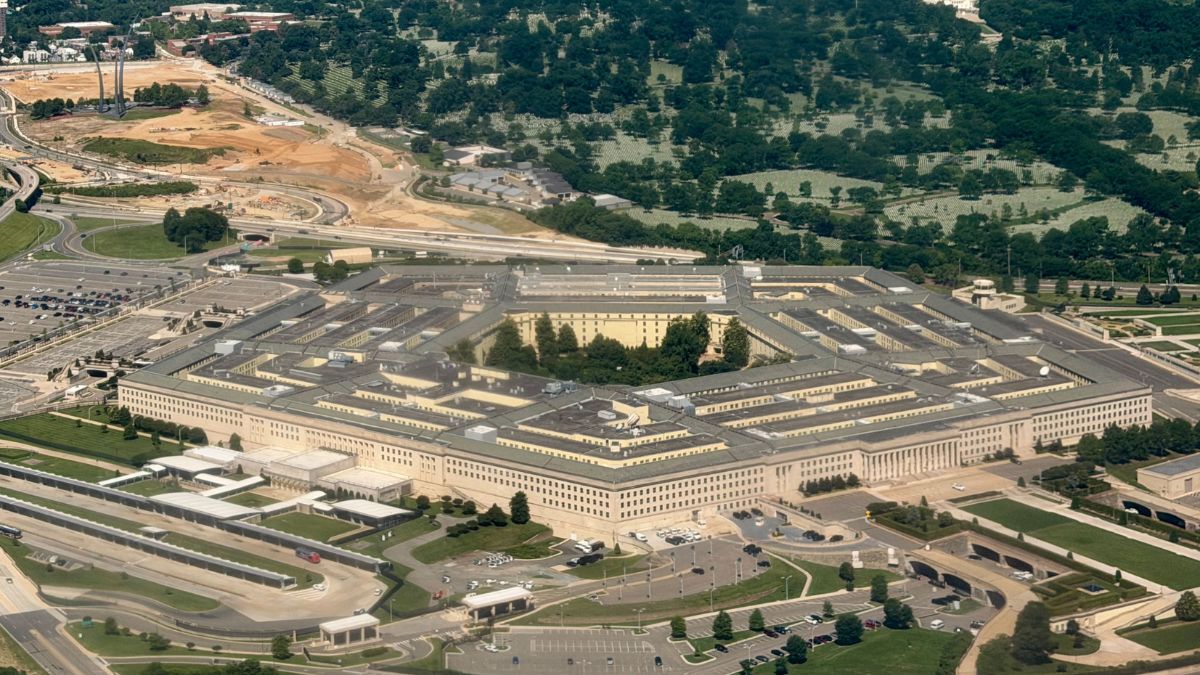
The Pentagon and its Defence Intelligence Agency recently issued new counterintelligence threat assessments amid the rising tensions between the US and Israel over the war with Iran, two US officials said.
The officials told NBC News that the DIA posted an internal message that raised the level for Israel to “critical.”
They said that the new designation comes from heightened concerns in the Pentagon that Israel is spying on top US officials to gather information on internal US deliberations about the war.
The assessment also included a seven-page document that described specific incidents that sparked concerns.
Both the White House and Israel’s embassy have denied the NBC reports. The Pentagon has also declined to comment on the matter.
The Israeli embassy rejected the report, saying “Israel does not gather intelligence on American entities, let alone U.S. government officials.”
One White House official, meanwhile, said, “This entire story is false and sourced to someone who doesn’t have any knowledge of what’s going on.”
About two weeks ago, Israeli security forces told the New York Times that Israel was pushed to the side by the trump administration in the ceasefire talks between the US and Iran.
“In the absence of information from their closest allies, the Israelis have had to learn what they can about the contacts between Washington and Tehran through ties with regional leaders and diplomats,” the report said.
The officials who spoke to NBC said that it was common for both allies and adversaries to spy on one another.
"Israel’s recent efforts went far beyond what is considered normal in the intelligence world,” they said. They added that they did not know whether a specific incident triggered the DIA’s decision to raise the threat level.
There are also reportedly stricter restrictions and caution measures for US officials and diplomats who visit Israel or have a meeting with Israeli representatives. Israel had a history of aggressive espionage against even the US, its closest ally.
Sources close to the matter said that US officials who arrive in Israel routinely use disposable burner phones and clean laptops and avoid sensitive conversations in hotel rooms due to fear of surveillance.
“The U.S. already takes extra precautions when visiting Israel,” one senior official said. “They’re well-known to aggressively collect.”
Two additional former US officials said that while the US and Israel are close allies, there are concerns about a possible Israeli espionage at a sensitive moment when the governments are not in full agreement about the war with Iran.
Emily Harding, vice president of the Defence and Security Department and director of the intelligence, national security and technology program at the Centre for Strategic and International Studies, said that Israel has a “hyper-aggressive intelligence service.” “They are exceedingly interested in what we are up to,” Harding said
In the 1980’s, U.S. Navy intelligence analyst Jonathan Pollard spent 30 years in prison after he sold suitcases of top-secret documents to Israel.
Leaks from intelligence contractor Edward Snowden in 2013 also showed that the US spies on its allies and seeks intelligence on its foreign partners.
