



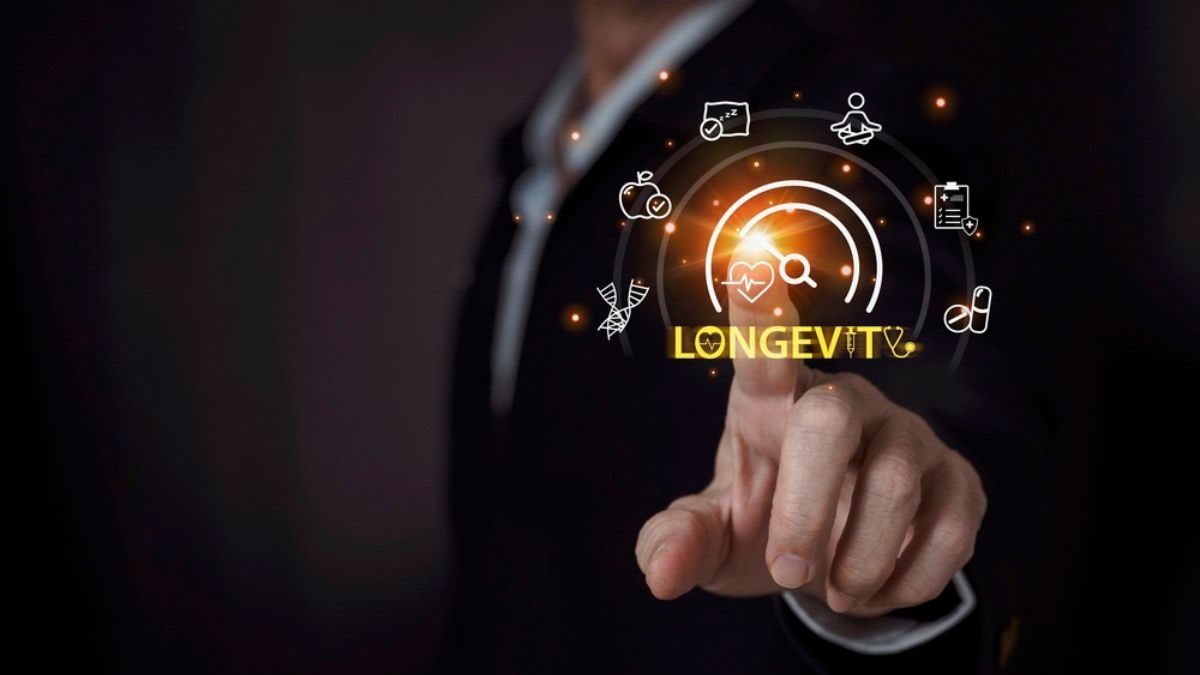
India is often celebrated for its demographic dividend, boasting a young workforce and thriving economy. Yet, a silent crisis looms: our workforce is younger in age but rapidly aging in metabolic health.
The numbers are staggering. 72 per cent of Indian employees reported experiencing burnout in 2025. Poor mental health costs corporate India $14 billion annually, while "presenteeism" bleeds Rs 51,000 crore every year. Furthermore, the economic burden of non-communicable diseases (NCDs) is projected to exceed $4.5 trillion by 2030. These are urgent corporate liabilities.
Every week, I evaluate successful executives in their early forties. Their diagnostics reveal rising fasting glucose, poor lipid profiles, degenerative musculoskeletal changes from chronic sitting, and elevated resting heart rates. What strikes me is their total surprise when they ask: ‘How did this happen?’
The 'Silver Economy' imperative
Corporate India must recognize a rapidly approaching reality: nearly 19,500 Indians turn 60 every single day. By 2050, our elderly population is projected to reach 347 million.
To sustain economic growth in this 'Silver Economy', employees must remain active in the workforce well into their seventies.
This is practically impossible under the current paradigm. Longevity is about extending health span—the number of years a person remains energetic and free from NCDs. For employers, a healthier workforce is a strategic business advantage.
The business case for longevity
India's health approach is overwhelmingly reactive, with 59 per cent skipping annual check-ups. Consequently, absenteeism costs businesses up to Rs 15,000 per employee annually.
When leaders view work-life balance as a perk rather than a strict health intervention, they invite metabolic disaster. Reversing this requires micro-interventions that actively prevent chronic inflammation.
The five pillars of corporate longevity
Rather than treating corporate wellness as a restrictive technical manual, we must approach it as an exploration of human potential. Here is how organisations can structurally integrate longevity:
Nutrition
Cafeterias influence daily biological responses. Replacing refined carbohydrates with high-quality protein drastically improves glycemic control. Subsidising healthy meals effortlessly nudges employees toward better health.
Movement
Chairs have become our graveyards. Companies should normalise walking meetings and two-minute mobility breaks. Movement acts as a sponge for blood glucose.
Sleep
India is highly sleep-deprived. Chronic loss of sleep drives metabolic disease and impaired immunity. Organisations must establish boundaries on after-hours emails to ensure restorative sleep.
Stress and mindfulness
Chronic stress keeps the nervous system in a fight-or-flight state. Institutionalising brief mindfulness sessions before high-stakes meetings shifts employees to a rest-and-digest state.
Preventative diagnostics: Standard checks are superficial. Packages must track longevity biomarkers like ApoB, HbA1c, hs-CRP, and Vitamin D for early intervention.
Reimagining appraisals and incentives
While most offer health benefits, 71 per cent of employees pay out-of-pocket for healthcare. This disconnect requires aligned incentives.
HR should integrate health metrics into performance appraisals, rewarding leaders who model healthy boundaries and utilise preventative screenings. Companies must negotiate with insurers to lower premiums for employees who improve their health markers yearly. Utilising AI-powered diagnostic tech makes health monitoring a seamless, daily part of the corporate ecosystem.
The future of corporate success will not be defined solely by quarterly earnings. It will be measured by how effectively organisations help their people remain healthy.
Investing in longevity is ultimately an investment in India's greatest competitive advantage: its people.
The author is a Longevity Physician, Head of Radiology at Apollo Hospitals, and the author of 'The 100 Year Blueprint'.
The opinions expressed in this article are those of the author and do not purport to reflect the opinions or views of THE WEEK.
