



The US decision to pause the plan to guide stranded vessels out of the Strait of Hormuz was attributed to the administration’s ongoing effort to finalise a settlement with Iran to end the war, but reports suggest that it was Saudi Arabia’s shocking refusal to let the US military use its bases and airspaces that led to the decision.
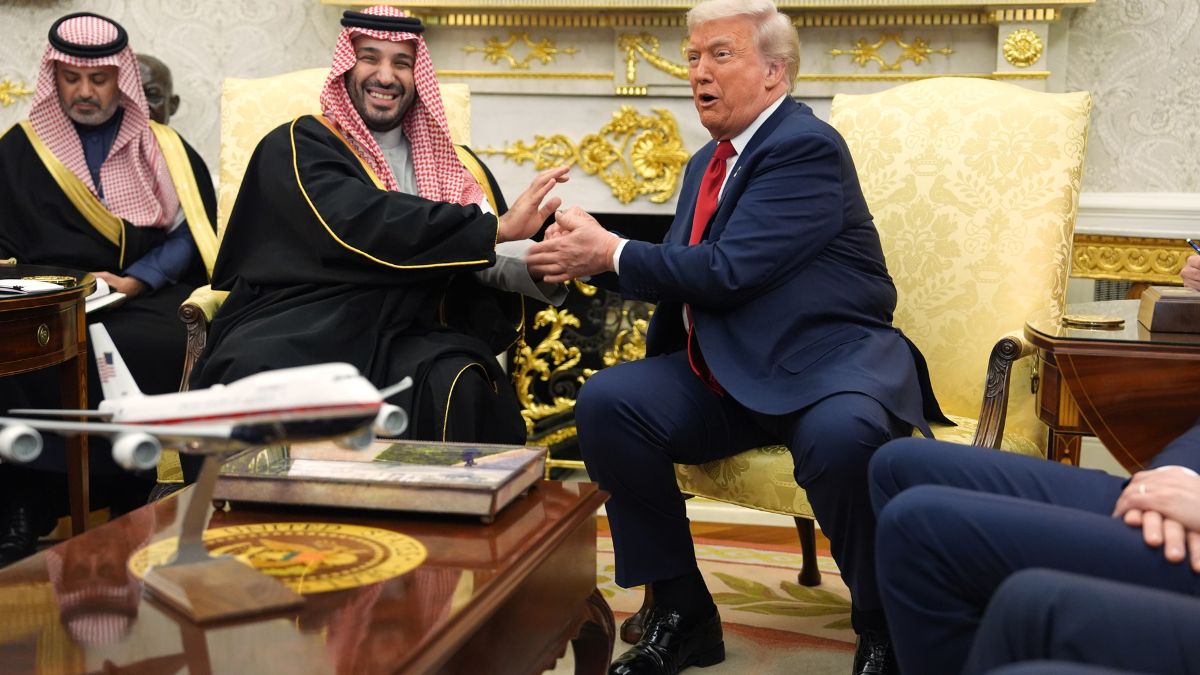
The shocking stance taken by the Kingdom was revealed in a report that appeared on NBC News on Thursday. The report also revealed the details of the failed phone call between US President Donald Trump and Saudi Arabia's Crown Prince Mohammed bin Salman.
Trump’s announcement of the ‘Freedom Project’ via his social media platform angered the Saudi leadership. The Kingdom informed the US that it would not allow the U.S. military to fly aircraft from Prince Sultan Airbase southeast of Riyadh or fly through Saudi airspace to support the effort, NBC News quoted Saudi officials.
The Trump administration immediately rang the Saudi officials. However, a call between Trump and bin Salam did not resolve the issue, the two U.S. officials said, adding that the latter’s stance forced the president to pause Project Freedom. “The problem with that premise is that things are happening quickly in real time,” a Saudi official told NBC News, adding that Saudi Arabia was “very supportive of the diplomatic efforts” by Pakistan to broker a deal between Iran and the US to end the war.
It is important for the US to have access to Saudi airbases, and had been maintaining fighter aircraft, refueling tankers and air defenses at Prince Sultan Airbase in Saudi Arabia. “Because of geography, you need cooperation from regional partners to utilise their airspace along their borders,” one U.S. official said, adding that there was no other way around.
Not just the Saudis, but also other close Gulf allies were caught off guard by the announcement. Trump spoke with leaders in the Middle East only after the effort had already begun, according to the report, though the Trump administration claims that the “regional allies were notified in advance.”
However, a Middle Eastern diplomat claimed that the US did not coordinate Project Freedom with the Omanis until after Trump made the announcement. “The U.S. made an announcement and then coordinated with us,” the diplomat said, adding, “we were not upset or angry.”
