



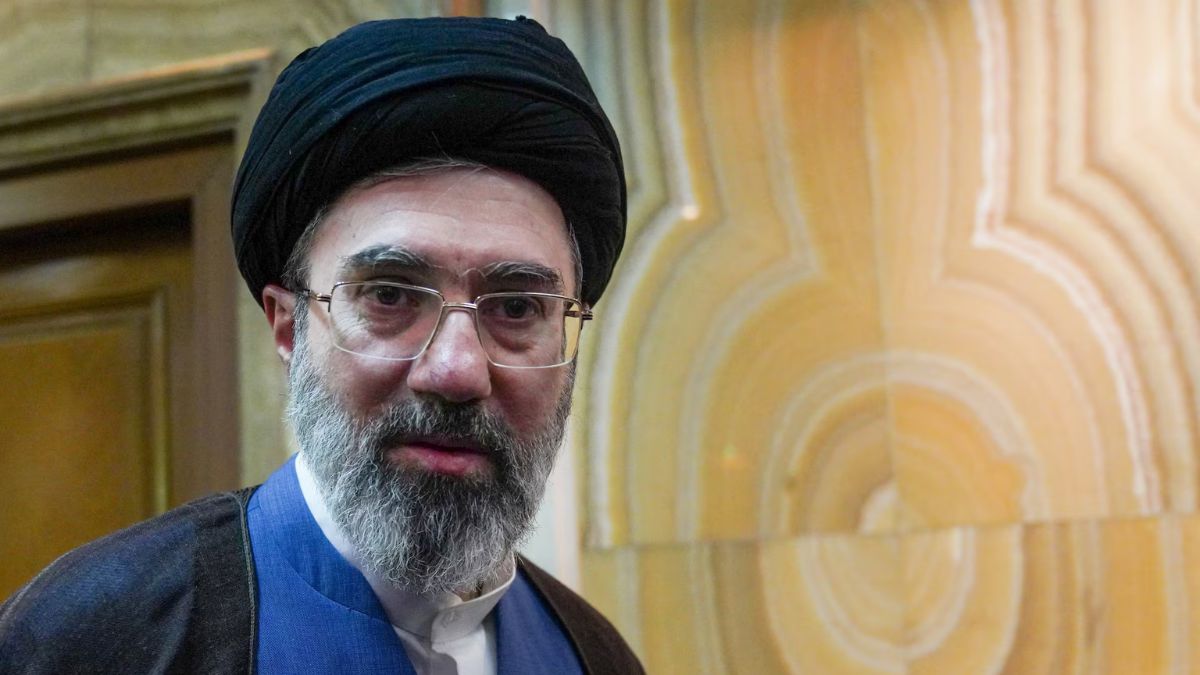
It was the clear instruction from Iran’s new Supreme Leader, Mojtaba Khamenei, to move towards a deal, for the first time since the war began with the US, that resulted in a deal, according to reports.
Uncertainty mounted in the region after US President Donald Trump gave the final ultimatum, hours before the deadline was to expire, to Iran that “the whole civilisation would die tonight” if Iran didn’t agree to his demands for reopening the Strait of Hormuz.
However, on Monday, the US and Israel learned that Mojtaba had given the go-ahead for peace. He instructed his negotiators to move towards a deal, according to US media Axios, quoting an Israeli official.
Though the sources close to Trump didn’t know which outcome to expect, there was a diplomatic momentum behind the scenes. All the while, the US troops in the Middle East were preparing for a massive bombing campaign on Iranian infrastructure. "We had no idea what was going to happen. It was wild," a defence official said.
Meanwhile, tension was mounting in Iran with residents fleeing their homes to avoid bombing.
Though Iran had proposed a 10-point counter proposal, Trump had called it fraudulent and insisted that Iran’s nuclear programme was the key point of the war. However, negotiations were underway with Pakistani, Egyptian and Turkish mediators. By Monday night, the US informed the mediators that it approved the updated proposal for a two-week ceasefire, leaving it to Mojtaba Khamenei to make a decision.
Interestingly, Mojtaba Khamenei was very actively involved in the process, though earlier reports claimed he was unconscious and incapacitated.
As for the Supreme Leader, any communication with him was laborious and clandestine. He had been communicating via runners passing notes due to fear for his life, according to Axios. Finally, Mojtaba gave his blessing for the deal. "Without his green light, there wouldn't have been a deal," the regional source said.
Not just the Supreme Leader, even Iranian Foreign Minister Abbas Araghchi played a central role in handling the negotiations. According to the report, China too wanted Iran to go for peace.
Though Israeli Prime Minister Benjamin Netanyahu was in frequent contact with Trump, they were concerned that they’d lost control of the process. By Tuesday afternoon, there was a consensus regarding a ceasefire, which was announced by Pakistani Prime Minister Shehbaz Sharif three hours later.
According to the report, Trump was asked by his “hawkish allies” to reject the peace deal.
Vice President J D Vance is now travelling to Islamabad for the talks planned this Friday.
