



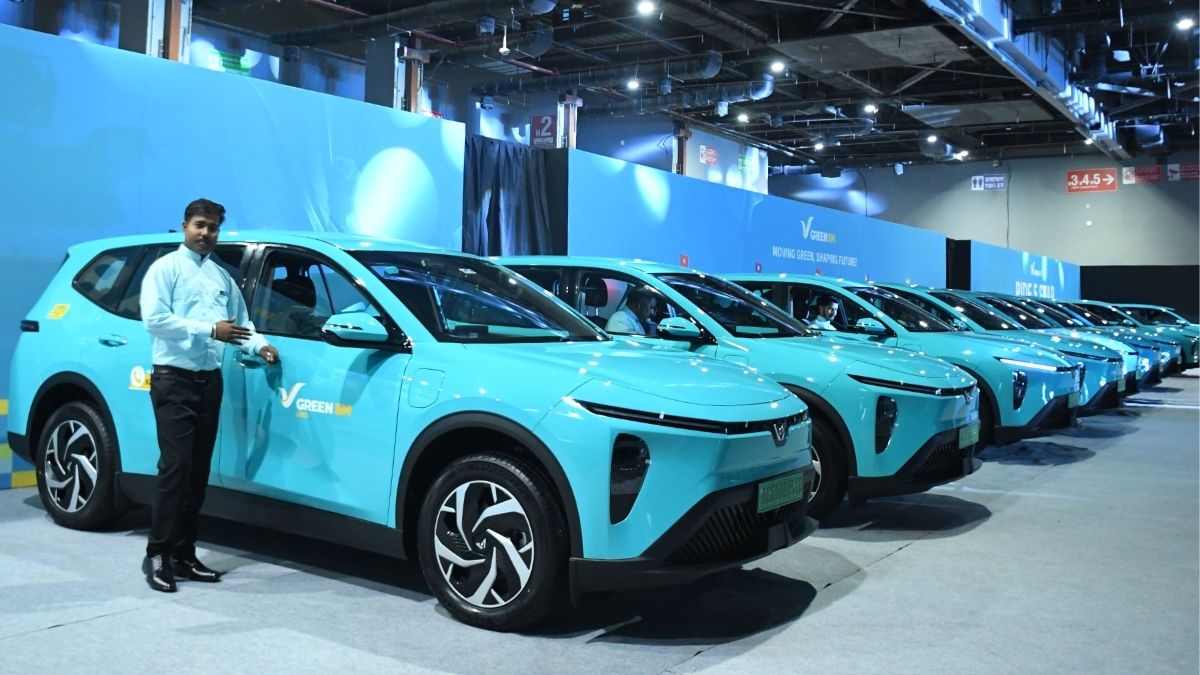
Rapido and Uber get a challenger in the taxi-hailing scene, with the launch of Green SM in India. Aptly launched on World Environment Day by Vin Group—the Vietnamese major that also makes VinFast cars—this will be an all-electric premium service, using air-conditioned 7-seater SUVs with trained drivers.
India is the fifth country Green SM is riding into, after success across Southeast Asia starting with its home market, Vietnam, followed by Laos, Indonesia and the Philippines.
Green SM cabs are now live in many parts of the national capital region. To start with, their density is highest in the Gurugram (Gurgaon) area. It plans to expand services into major cities in stages depending on customer demand.
Green SM global CEO Nguyen Van Thanh said, “India is one of the most important mobility markets in the world. Its scale, rapid growth, and strong spirit of innovation are opening up many opportunities for the future of green transportation. We come to India with respect for the market, confidence in its long-term potential, and a commitment to working closely with local partners. Green SM hopes to bring high-quality, fully electric rides to customers while contributing to broader access to safe, reliable, and more sustainable mobility choices. We believe trust is the most important foundation for long-term growth. This is also what Green SM hopes to build with customers, partners, and communities in India in the years ahead.”
Unlike the aggregator model used by Uber and Ola where the taxis of independent drivers and cab companies ride on platform technology, Green SM follows an ownership model, with all cars owned by it (the 7-seater VinFast Green Limo appropriately supplied by the group’s flagship company which had recently set up a manufacturing facility in Thoothukudi in Tamil Nadu) and the drivers under their fold, as was announced at the launch event, “covered by insurance.”
While this is a new challenger to market leader Rapido as well as entrenched players Uber and Ola, Green SM will not be much of a threat to their bread-and-butter business, at least for a while. Its ownership business model means expansion will be capital intensive and slow.
Also, by using a single format of premium SUV with trained drivers (the driver I rode with in the morning not only came out and opened the door to let me in, he also said ‘excuse me’ before picking up an incoming call) Green is positioned firmly as a premium service – as if its tag line ‘Ride 5 Star’ was not enough, its features include clean air-conditioned interiors, drinking water and paper tissues on offer. Vehicles are also fitted with the Secure-to-Safe safety system, which includes interior and exterior cameras, AI-powered technology (which warns drivers if they commit traffic violations like getting too close to other vehicles, etc), and emergency support buttons for both drivers and passengers.
But being electric, it just might have a cost advantage over the premium ‘Uber Black’ and ‘Uber Green’ services its rival offers. But having a single format would mean that it would have to forego the bigger mass market category of ride-hailers in the country who go for bike taxis, auto rickshaws or ride sharing.
Ironically, Green’s launch brings to mind a similar model which was tried a few years ago, rose to great expectations, before crashing and burning. The domestic venture that was Blusmart also had the same format of owned cars, own drivers, rides that were not cancelled and better cars compared to some that ply on Uber. But eventually, allegations of fraud and swindling led to BluSmart hitting a sudden brake. Can ‘Green’ succeed where ‘Blu’ couldn’t?
