



After issuing a 48-hour ultimatum threatening to “hit and obliterate” Iranian power plants, President Donald Trump has pushed the war with Iran into a phase that now feels close to a humanitarian disaster. If Tehran does not reopen the Strait of Hormuz, Washington has signalled that it is prepared to strike energy facilities that millions of ordinary Iranians depend on every single day. Iran has responded by warning that it will retaliate against the infrastructure that keeps entire societies functioning across the Middle East.
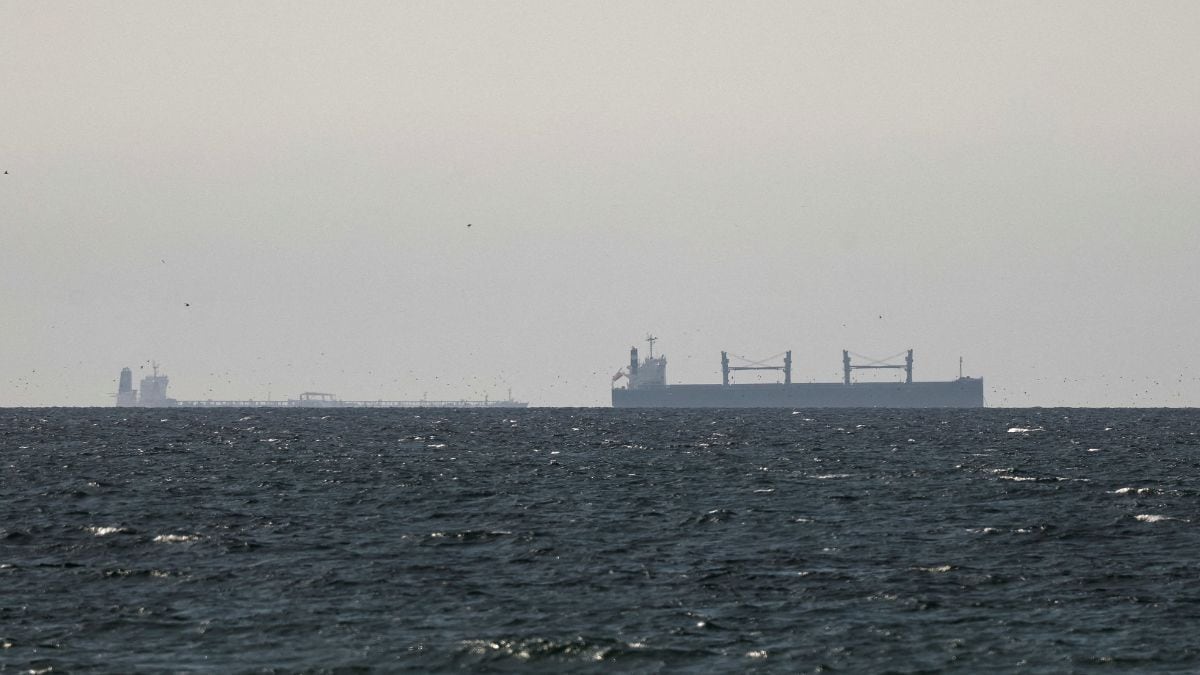
The Strait of Hormuz is a crucial global chokepoint through which approximately one-fifth of the world’s oil and liquefied natural gas (LNG) supplies travel. Iran’s effective blockade of the Strait to US and allied shipping since the conflict began on February 28 has triggered the worst global oil crisis since the 1970s. As crude oil prices have spiked by more than 70 per cent, the Trump administration temporarily lifted the Jones Act and eased sanctions on Iranian and Russian oil. Meanwhile, Iran insists the waterway remains open to friendly nations such as China, India and Pakistan but is closed to its enemies. Reports indicate Tehran is actively monetising its control by charging up to $2 million per tanker for safe passage, aiming to establish a "new legal regime" in the strait while using the economic disruption as leverage to force the US to end the war. Analysts warn the crisis could deepen further if Yemen's Houthis enter the fray and close the Bab al-Mandeb Strait in the Red Sea.
Should the US carry out its threat to bomb Iranian power plants, Iranian officials have promised catastrophic consequences for the entire Middle East. Mohammad Bagher Ghalibaf, Iran’s Parliament Speaker, warned that critical infrastructure across the region would become "legitimate targets" and be "irreversibly destroyed," ensuring oil prices remain elevated for an extended period. The Khatam al-Anbiya military command elaborated that this retaliation would specifically target fuel, energy and information technology systems, as well as essential water desalination facilities used by Israel and Gulf neighbours. Desalination is absolutely critical for providing drinkable water to millions in the region. Amnesty International has cautioned that attacking systems providing vital services such as electricity and water could constitute war crimes because of the predictable and devastating civilian harm.
Furthermore, Iran’s military declared that an attack on its power grid would result in the indefinite and complete closure of the Strait of Hormuz until Iran's facilities are fully rebuilt. Iranian semi-official media amplified this threat by publishing a map of Gulf power plants, warning that 70 to 80 per cent of major regional power plants lie along the Persian Gulf coast within Iran's striking range, threatening to plunge the entire region "into darkness". Iran has also warned that energy facilities in countries hosting US bases, as well as companies with US shareholders, will be considered lawful targets for destruction.
These infrastructural threats are accompanied by severe military escalation. Iranian commanders are moving from a defensive to an offensive posture, promising "new surprises". This shift was demonstrated when Iranian missiles penetrated Israel’s air defence systems for the first time in the southern towns of Arad and Dimona, injuring approximately 200 people, including children. Tehran stated that this attack was retaliation for a strike on its Natanz nuclear enrichment facility. Although the International Atomic Energy Agency reported no abnormal radiation levels following the strikes on nuclear sites in either Iran or Israel, the World Health Organisation warned that targeting such facilities poses a dangerous, escalating threat to public health and the environment. Iran has also demonstrated its expanding reach by firing long-range ballistic missiles at the joint US–UK military base on Diego Garcia in the Indian Ocean.
Military intervention alone is unlikely to reopen the Strait of Hormuz, as commercial shipping and insurance companies will refuse to operate in a conflict zone. Analysts fear Trump's threat has placed a ticking time bomb over global markets, threatening a "black Monday" of plunging stocks. Most of the Asian stocks are already down. Ultimately, the mutual threats of total infrastructure annihilation could lead to an unprecedented economic and humanitarian catastrophe unless a diplomatic off-ramp is found quickly.
