


 Add as a preferred source on Google

West Bengal's first change of government in more than a decade has opened a new economic window for the state. Australia is looking to explore what the political transition could mean for trade and investment, with mining, renewable energy and education emerging as potential areas of cooperation. The challenge will be to convert diplomatic interest into projects, jobs and sustained private investment.
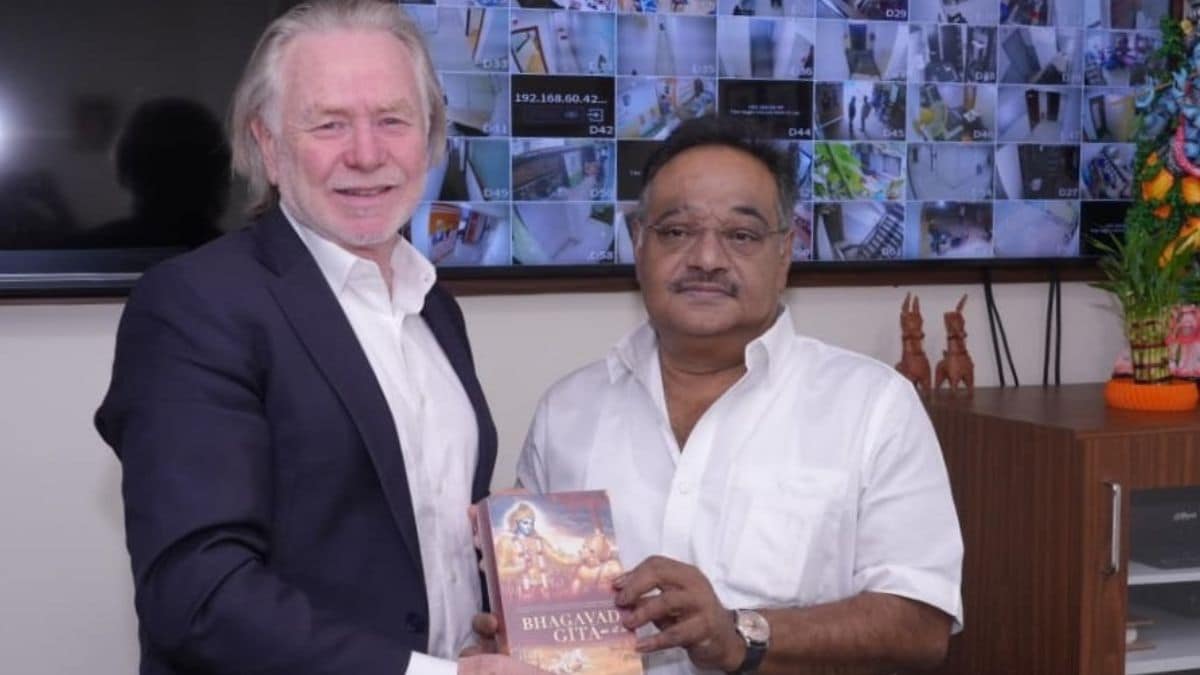
On Wednesday, Australian High Commissioner to India Philip Green OAM (Medal of the Order of Australia) visited the Bharatiya Janata Party's state headquarters in Salt Lake to meet state president and Rajya Sabha MP Samik Bhattacharya. Their discussions centred on bilateral trade and opportunities for Australian businesses under the new administration.
“I am principally here to see what economic opportunities might arise for Australia in the new dispensation in West Bengal,” Green told reporters. He said he had asked Bhattacharya whether Australian companies would be welcome in the state and received an affirmative response. “I will be pursuing it with the business fraternity in Australia to engage with the business opportunities in West Bengal and explore the possibilities,” he added.
For West Bengal, align with its industrial base and proximity to the mineral-producing eastern region. Kolkata, home to Coal India's headquarters, has long served as a commercial centre for the eastern mineral belt.
Australia has expertise in mineral exploration, mine planning, automation, equipment and worker safety. Partnerships could extend to mineral processing, engineering services and technical training, improving productivity while creating opportunities for specialised skills. West Bengal could also serve as a base for Australian companies looking to access projects across eastern India.
Education could provide a longer-term link. Bhattacharya indicated that Australian institutions were exploring the possibility of establishing a university campus in West Bengal. He also referred to discussions involving state education minister Jagannath Chattopadhyay on student exchanges, institutional partnerships and international placements. Such links could strengthen industry-oriented training in engineering, mining and emerging technologies.
The state has geographical advantages. Kolkata is an established centre for finance and logistics, while Durgapur and Asansol have a strong industrial base in steel and engineering. Its ports and transport networks connect eastern and northeastern India with neighbouring markets in Bangladesh, Nepal and Bhutan.
However, these advantages will need to be matched by a predictable policy environment, easier access to land, reliable power, efficient clearances and better industrial infrastructure. Investors will also look for regulatory clarity and evidence that proposed projects can move from discussion to execution.
Green's intention to take the discussions to Australian business groups gives the engagement a possible next step. The state, meanwhile, will need to identify viable projects and provide a credible framework for companies to assess them.
For the BJP government, attracting overseas investment will be an important test of its promise to revive industrial growth. The measure of success will not be diplomatic visits or investment announcements, but capital deployed, businesses established, local supply chains strengthened and employment generated.
Australia's outreach offers West Bengal an opportunity to build on its regional advantages and the complementary strengths of the two economies. Whether that interest translates into investment will depend on the new administration's ability to deliver the conditions businesses expect.
