



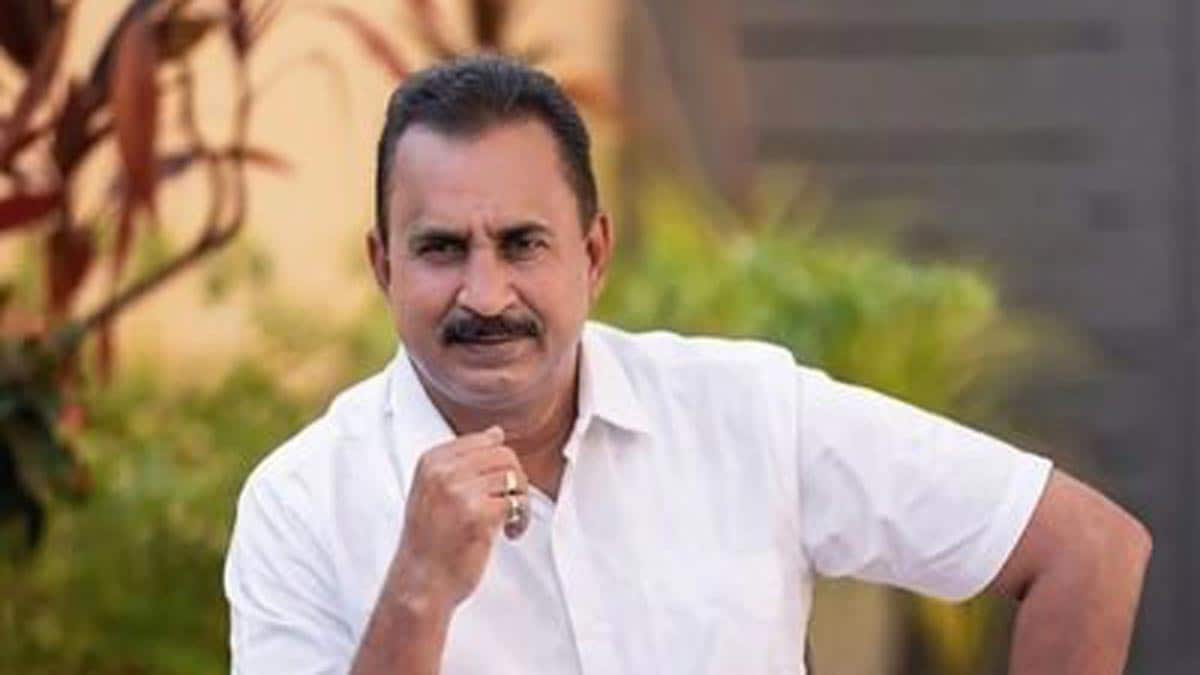
The internal crisis in the AIADMK seems to have intensified, with former minister S.P. Velumani holding closed-door consultations with dissident legislators as the faction led by him and former minister C.Ve. Shanmugam weighs its next move against party general secretary Edappadi K. Palaniswami.
The discussions come days after the AIADMK suffered defeats in the Madurantakam and Dharapuram Assembly by polls, finishing third in both constituencies. The results have renewed questions about the party’s leadership and its ability to remain a principal opposition force in Tamil Nadu’s rapidly changing political landscape. According to highly placed sources, Velumani had a meeting with two of his legislator colleagues on Saturday and a larger group of like-minded MLAs and other AIADMK office bearers on Monday. Sources say the TVK ministers and even the leadership had reached out to Velumani to bring in a breakaway faction to support the minority TVK government to turn into a majority.
Sources say Velumani held consultations with senior leaders, including former ministers C.Ve.Shanmugam and Thangamani at his residence. The meetings are understood to centre on the faction’s future within the party, the treatment of its leaders by the EPS leadership and the possibility of organising dissident legislators into a separate group in the Assembly. The precise outcome of the discussions, however, remains unclear.
The latest developments revive a conflict that surfaced after the Assembly elections, when Velumani and Shanmugam differed with EPS over extending support to the TVK government. The two leaders had favoured supporting the TVK after it emerged as the single largest party but fell short of a majority on its own. Their faction subsequently voted in favour of the government during the confidence motion in May, with 25 AIADMK legislators supporting Vijay. EPS opposed the move and accused the rebels of acting against the party’s interests. Although the faction later reached a compromise with EPS, the differences did not disappear. Velumani and Shanmugam subsequently lost their party posts, along with some of their supporters, deepening resentment within the dissident camp.
Sources say that Velumani and team could not reach a consensus in deciding if they should continue to challenge the leadership from within the AIADMK or attempt to consolidate themselves as a separate legislative group. Any move to split from the party would have to reckon with the anti defection provisions, which generally require at least two-thirds of a legislature party, which is at least 28 out of the existing 41 MLAs, to merge with the TVK or support TVK, to qualify for the relevant exemption.
For EPS, the challenge is to contain the dissent before it develops into a more serious organisational rupture. For Velumani and Shanmugam, the consultations could determine whether their faction continues to negotiate with the leadership or pursues a more confrontational course. In fact the duo, sources say, could not gain strength as the former ministers who had switched to the TVK have reportedly expressed an uneasy treatment inside the ruling camp.
The bypoll defeats might have added urgency to the dispute, but the outcome of the closed-door meetings—and the extent of support the dissidents can mobilise—will determine the next phase of the AIADMK’s internal struggle.
