



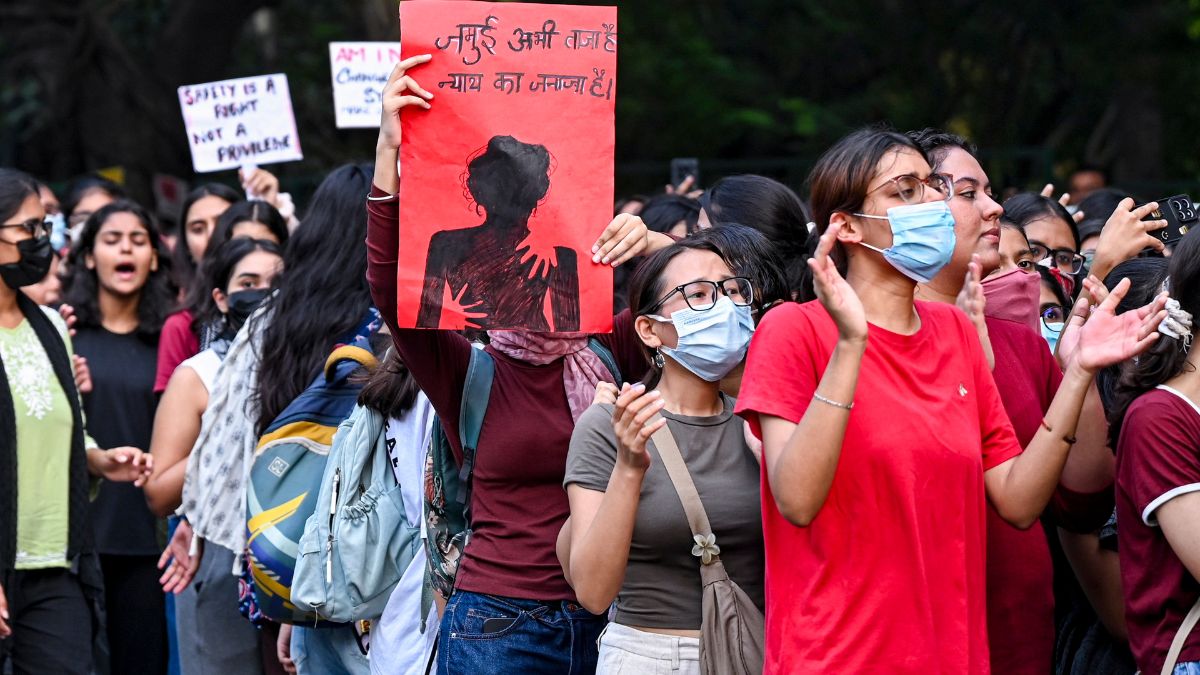
Eight years after India created a national database to track sexual offenders, the alleged gangrape of a 17-year-old at Delhi’s Aastha Kunj Park has brought the system back into focus.
The National Database on Sexual Offenders (NDSO) was launched in September 2018 by the Ministry of Home Affairs and the National Crime Records Bureau as a central repository to help police identify sexual offenders, verify criminal antecedents and track repeat offenders.
At the time of its launch, the database had around 4.4 lakh entries. It contained details such as names, addresses, photographs and fingerprints of offenders convicted of offences including rape, gangrape, POCSO offences and eve-teasing.
The database has since grown substantially. The latest MHA annual report says the NDSO has data on more than 18.52 lakh sexual offenders and is available round the clock to law-enforcement agencies. It says the database enables investigating officers to track habitual sexual offenders and initiate preventive measures.
But there is one important catch: the national sex-offender list is not public.
The NDSO can be accessed by authorised law-enforcement agencies. A member of the public cannot enter a person's name on a government website and check whether that person has a sexual-offence record.
The government continues to describe it as an investigative tool. In a July 2026 Lok Sabha reply, the Ministry of Home Affairs said the NDSO, maintained by NCRB, helps law-enforcement agencies identify accused and repeat offenders and verify criminal antecedents during investigations into sexual offences, including POCSO cases.
The issue of whether the system was actually being used effectively surfaced soon after its creation.
In 2019, while discussing the government's broader women-safety measures, a former MHA official told THE WEEK that the government needed to strengthen the online portal tracking repeat sexual offenders.
“The registry is in place, but we need to ensure that it works and people know how to use it,” the official said. The official was speaking in the context of efforts to integrate various women-safety measures with police and other assistance services.
Seven years later, the database remains in operation, but the question of how information stored in it is translated into policing remains relevant.
The Aastha Kunj case provides the latest backdrop. Three men — Asif, Hemant Singh and Mukesh Singh have been arrested in connection with the alleged gangrape of the teenager inside the park on September 21. Police said the men allegedly posed as policemen before taking the girl to a secluded part of the 142-acre park.
Investigators are now looking into whether the accused had been involved in earlier incidents.
According to police, Asif had previously been seen carrying a knife and allegedly harassing couples in and around the park. Staff, guards and regular visitors had identified him as a local troublemaker, police said. Some people had verbally complained about him to park staff, but no formal complaint had been filed, investigators said.
Asif had earlier worked as a police informer and had been known to local police after allegations of eve-teasing. Since no complaint was filed at the time, he was released.
That distinction is important because the NDSO is a database of offenders and criminal records that enter the formal system. A verbal complaint to a park guard, an allegation that never becomes an FIR or an incident in which no criminal case is registered does not automatically become part of the national database.
Delhi Police, meanwhile, were able to identify the three accused quickly using the survivor’s description and local police knowledge. Investigators said the girl remembered details including the accused persons’ clothes, appearance and the route they took from the park. Police also found that CCTV cameras at the park were not operational.
The investigation has now widened to the accused persons’ digital records. Police are examining their phones, deleted material and search histories to determine whether the attack was planned and whether there are links to other incidents.
The NDSO is also not the only mechanism available to the authorities. The MHA has introduced the National Crime Records Check portal, which allows government departments to seek antecedent verification by checking information across police databases. According to the MHA, more than 20,000 verification requests had been processed by January 2024.
Yet the national database remains essentially a police-facing system, unlike public sex-offender registries in some other countries.
And there is no publicly available national figure showing how many sexual offences have been prevented specifically because an NDSO record or alert helped police identify a repeat offender before another crime was committed.
That makes the Aastha Kunj investigation particularly relevant to the database created eight years ago.
The NDSO now contains information on more than 18.52 lakh sexual offenders. The government says it can help police identify habitual offenders and take preventive measures.
