



When Prime Minister Narendra Modi flags off the Sant Ravidas Express train from Jalandhar on Friday, it will mark the latest step in a series of moves aimed at Punjab's Dalit community.
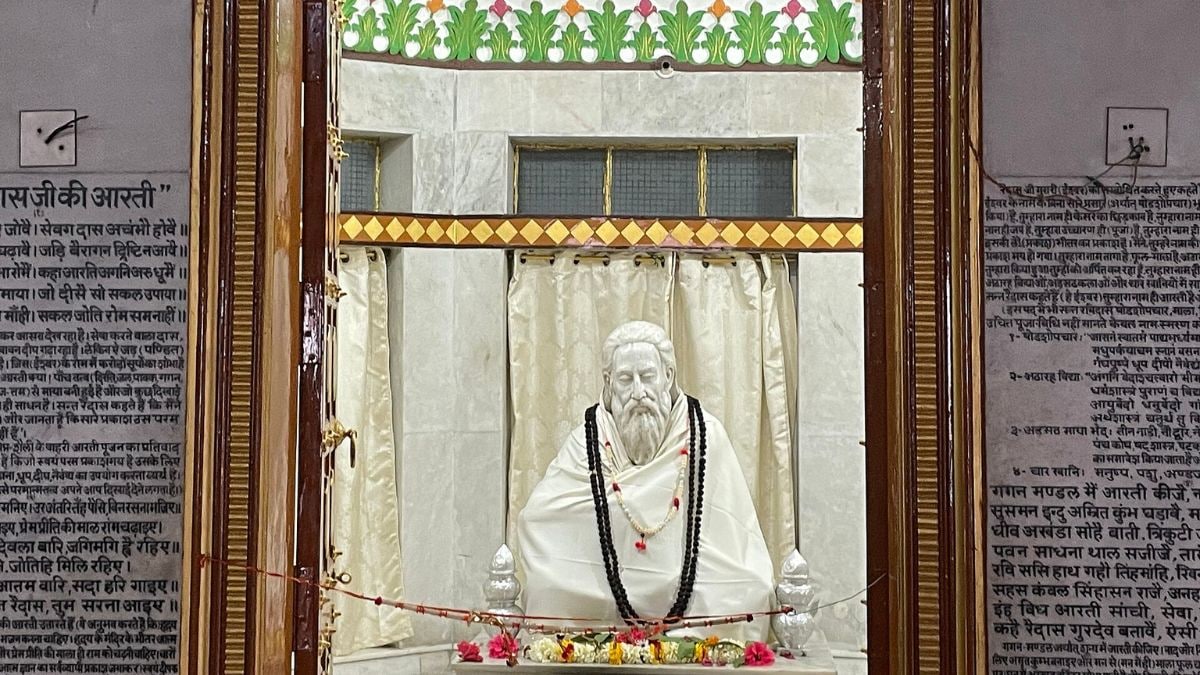
The Dalit outreach began on January 25, when the Union government announced a Padma Shri for Sant Niranjan Das, head of Dera Sachkhand Ballan in Jalandhar, one of the most influential religious centres for the Ravidassia community. Five days later, Modi became the first sitting prime minister to visit the dera on Guru Ravidas Jayanti. The launch of the Sant Ravidas Express, connecting Amritsar and Varanasi, now adds another symbolic gesture. The route links the two cities most closely associated with Guru Ravidas, and the train is being flagged off from Punjab's Doaba region, where the Ravidassia community has a strong presence.
Modi will be on a visit to Punjab, which goes to the polls next February.
Punjab has the highest proportion of Scheduled Castes among all Indian states, at around 32 per cent of its population. The Ravidassia community, concentrated in the Doaba districts of Jalandhar, Hoshiarpur and Kapurthala, has traditionally been an important support base for the Congress.
The AAP has tried to make inroads into this vote bank, which is politically important, especially across the 23 Assembly seats in the Doaba region of the state.
The Padma Shri awarded to Sant Niranjan Das carried political significance because of its timing. It came after the dera chief met the Prime Minister in December 2025, following efforts by BJP leaders to improve relations with the dera. The national honour turned that engagement into a public message. Since Padma awards are conferred by the Union government, they give the BJP an advantage that state-level parties such as the Congress, AAP, SAD and BSP cannot easily match.
The Sant Ravidas Express, a sleeper Vande Bharat Express, aims to fulfil a long-standing demand of the community while linking two cultural centres, Amritsar and Varanasi. The community believes Varanasi to be the birthplace of Guru Ravidas.
While a big chunk of Dalits in the Hindi heartland states has shifted towards the BJP, Punjab presents different challenges, as the state's Dalit population is divided among various groups, each with its own social identity and political priorities. Given the significant migration to foreign countries, remittances back home have brought prosperity and economic influence, allowing the community to make its own political choices.
There is also the question of the deras themselves. They assume greater significance ahead of elections, with all parties making visits to them. The Congress picked Dalit MLA Charanjit Channi as chief minister in 2021, replacing Captain Amarinder Singh. Channi spent a night at Dera Sachkhand Ballan ahead of the 2022 polls in an apparent outreach to the community. Yet, the AAP swept the elections, routing the mainstream parties. Channi is back again as head of the Congress campaign committee, despite angling for the post of state unit chief.
Last time, the Akali Dal aligned with the BSP to consolidate Dalit votes, but with little success.
Now, as the polls approach, the Dalit community in the border state will once again find itself actively wooed by all parties. With all parties expected to contest all the seats without any alliance, the role of influential religious institutions may only increase.
