



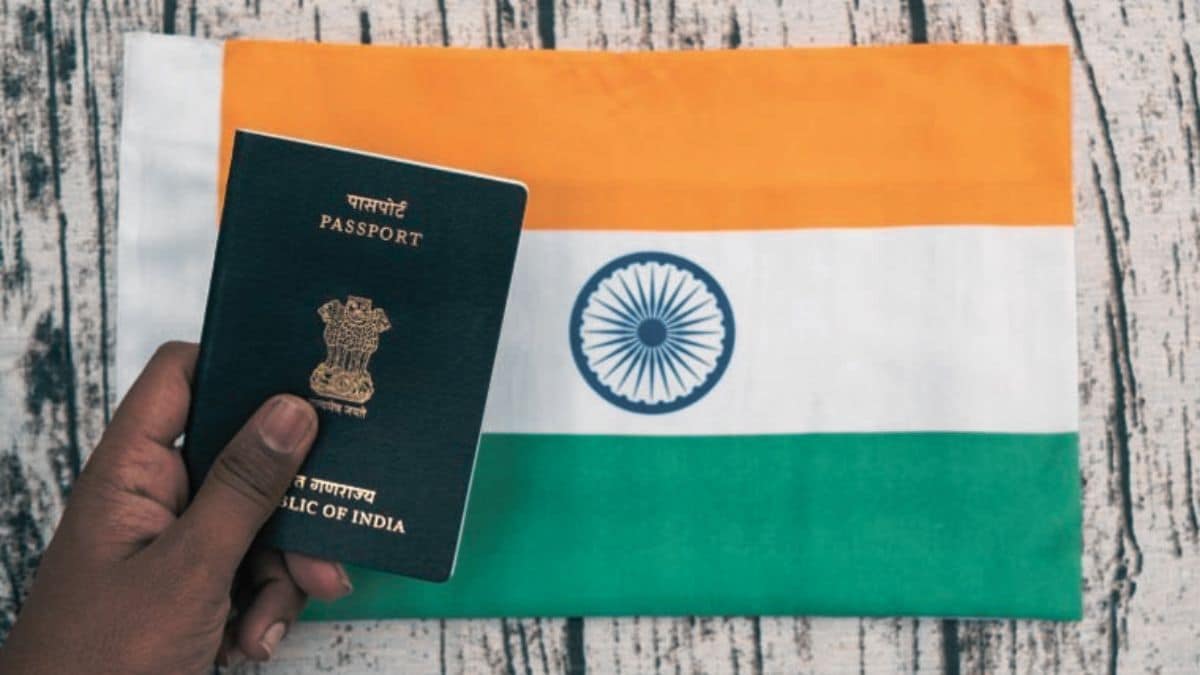
Prices for new Indian passports are all set to go up from July 1 onwards, after the Ministry of External Affairs amended the Passports Rules, 1980.
Under the new rates, adults applying in the normal category—and minors aged 15-18 applying under the adult section— will have to pay Rs 2,500 for a fresh 36-page passport or even a reissue under the normal process—up from Rs 1,500.
This fee will rise to Rs 5,000 under the Tatkaal category—an increase of Rs 1,500 from the current price.
For a 60-page passport, they will have to pay Rs 3,500 under the normal category, which reflects an increase of Rs 1,500.
A Tatkaal-category application for such a passport would set you back Rs 6,000—a whopping Rs 2,000 increase from before.
Applicants below the age of 18 can only apply for a 36-page passport that is fresh or a reissue, which will cost Rs 1,750 under the normal category, and Rs 4,250 under the Tatkaal category.
Another important series of changes have been made for charges on passport replacements.
A replacement for a 36-page passport will now cost Rs 5,000 under the normal scheme and Rs 7,500 under Tatkaal.
A 60-page replacement passport will now cost Rs 6,000 under the normal scheme and Rs 8,500 under Tatkaal.
While Emergency Certificates are still free when applied for within India, they do cost $15 abroad. Identity certificates are priced at Rs 1,000.
The MEA's gazette notification also added that the "issue of Police Clearance Certificate or Surrender Certificate or Global Entry Program verification or any other miscellaneous certificates based on the passport" would cost Rs 750.
Since 2012, this is the first major change made to passport charges under what the MEA notified as the Passports (Amendment) Rules, 2026.
The MEA notification also comes just days after senior MEA officials addressed the Annual Regional Passport Officers’ Conference ahead of the 14th Passport Seva Diwas on June 24.
One official said in his presentation that the number of Passport Seva Kendras in 2014 stood at 77, which has now grown to over 545, besides the 454 Post Office Passport Seva Kendras (POPSKs), as per a Hindu report.
Running this vastly expanded passport infrastructure has been linked with the growth in passport costs, among other reasons.
This also comes amid questions of the scope of this crucial document, with the MEA recently stating that the Indian passport is a “travel document”, and not a “citizenship document”.
The purpose of the Indian passport is to help Indians to travel through/to foreign airports/seaports and territories, and it cannot be compared to other documents that are used to establish citizenship rights, as per the ministry.
In response to posts questioning the significance of the passport if it was just a "travel document", former diplomat Nirupama Rao said that legally, a "passport is issued under the Passports Act, while citizenship is governed by the Citizenship Act, 1955".
"One law regulates the document; the other regulates the legal status ... A passport is issued only after the Government has verified that the applicant is an Indian citizen. While citizenship itself is governed by the Citizenship Act, the passport remains the Republic’s most trusted document for international travel and, in ordinary life, the clearest evidence of Indian nationality," she added, admitting that the issue presented a gap between legal grey areas and public understanding.
