



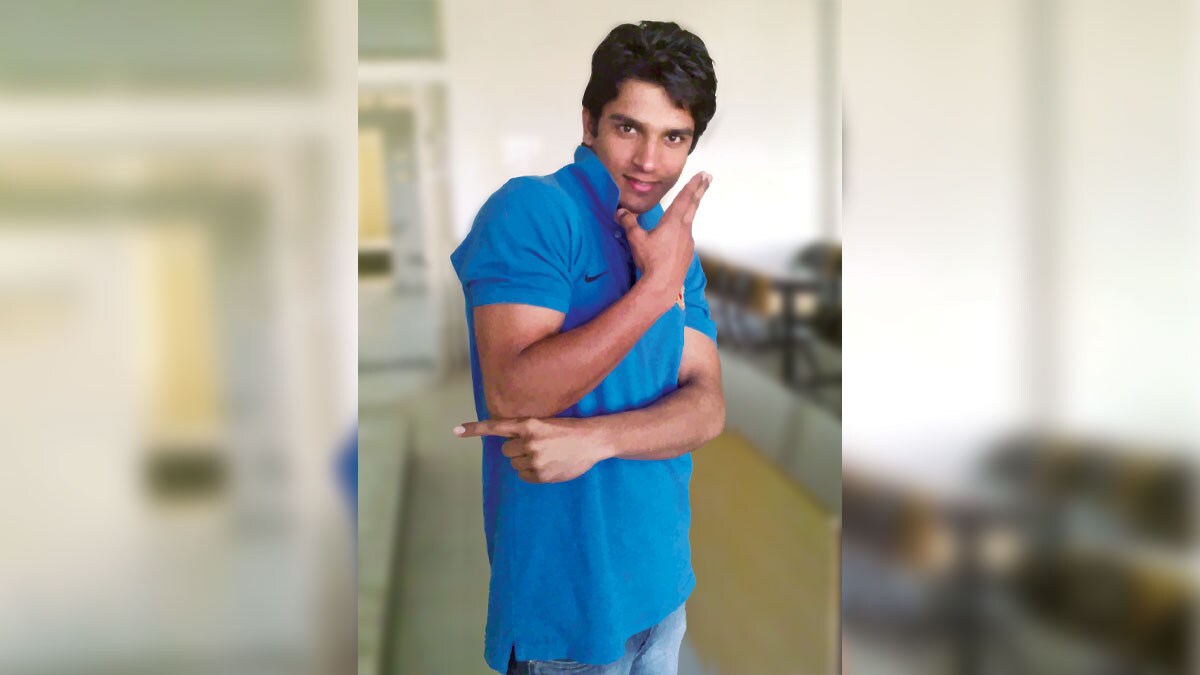
Harish Rana, the man whose long legal battle helped shape India’s passive euthanasia framework, died at AIIMS Delhi on Tuesday after spending 13 years in a coma.
His story was never just a legal case; it was the story of a family’s grief, hope, and ultimately, acceptance.
Rana had been in a vegetative state since 2013 following a severe brain injury. For over a decade, machines kept him alive while his family kept hope alive. His hospital room became a second home for his loved ones, who marked festivals, birthdays, and anniversaries beside his bed, speaking to him as if he would respond.
His death brings closure to a case that played a crucial role in shaping India’s conversation on the right to die with dignity.
A tragedy that became a landmark case
Harish Rana’s condition never improved after the brain injury that left him in a permanent vegetative state. Doctors eventually informed the family that there was no realistic chance of recovery and that he was surviving only due to life-support systems.
Faced with an impossible situation, the family approached the Supreme Court, seeking permission for passive euthanasia or withdrawal of life-sustaining treatment. The case became one of the early instances after the Supreme Court recognised passive euthanasia and living wills, laying down guidelines for such cases.
The court allowed passive euthanasia under strict safeguards, including medical board approval and consent of family members, reinforcing that the right to die with dignity is part of the right to life under Article 21.
The family’s 13-year vigil
For Rana’s family, the court case was not about law; it was about love and letting go.
Even though the Supreme Court allowed passive euthanasia and recognised living wills, implementation remains complicated in India due to legal procedures and hospital protocols.
Many families still struggle to navigate the system during emotionally devastating times.
