



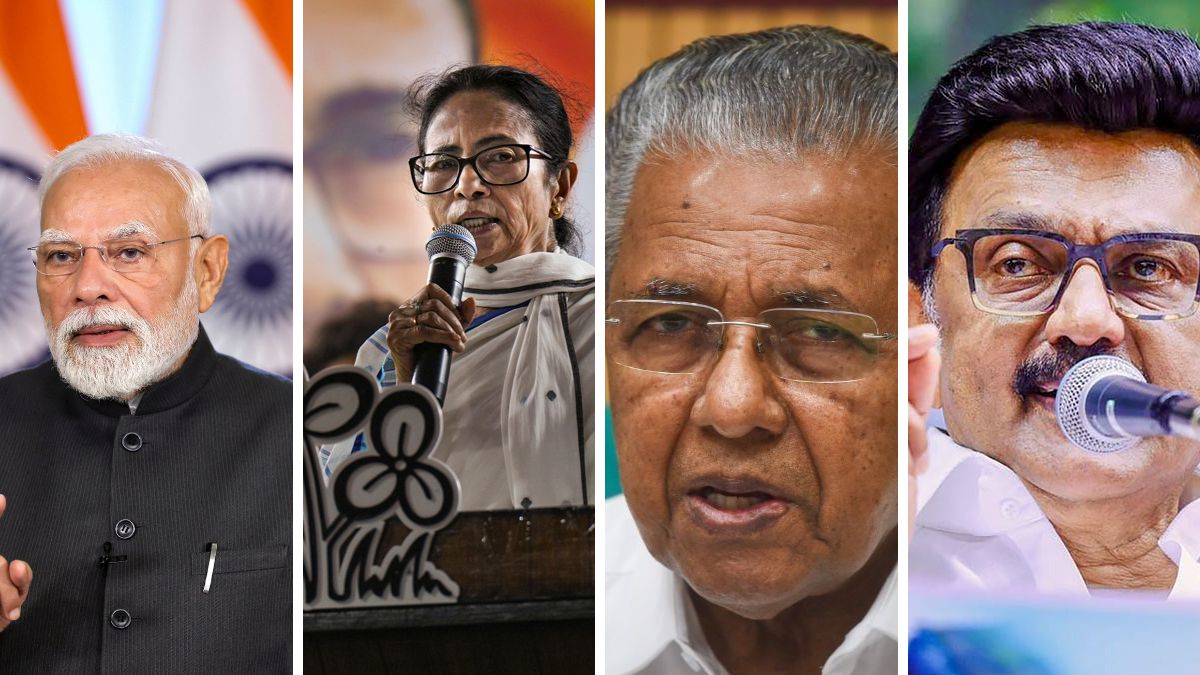
The real battles of 2026 will be fought in the states, as five states—Kerala, West Bengal, Assam, Tamil Nadu and Puducherry—go to the polls. These contests are important given the timing; they arrive at the midpoint of the Lok Sabha’s tenure that began in 2024, and their results will offer pointers for the 2029 contest.
The 2026 cycle is also crucial because the future of many veteran leaders is at stake. Several of them have already seen the prime of their political careers.
While conversations around these state polls will be far more animated and the coverage shriller, another quieter set of elections will offer a glimpse into succession battles within parties. This year, 72 Rajya Sabha MPs will retire, including senior leaders such as H. D. Deve Gowda, a former prime minister, Congress chief Mallikarjun Kharge, and NCP(SP) leader Sharad Pawar.
West Bengal: Mamata Banerjee’s longevity vs BJP consolidation
West Bengal’s election is about whether Chief Minister Mamata Banerjee can convert her resilience into another term. After 15 years in office, the Trinamool Congress faces organisational fatigue, leadership bottlenecks, and sustained pressure from the Bharatiya Janata Party (BJP). Home Minister Amit Shah camped in the state for three days to sharpen his party’s electoral strategy, attacking the Trinamool government over appeasement and infiltration.
The BJP, despite repeated losses, has entrenched itself as the principal opposition. The Congress and the Left remain marginal. A weakened TMC mandate would complicate the return of senior leaders to the Rajya Sabha and limit Banerjee’s influence in national opposition politics.
Tamil Nadu: Stalin’s battle vs Opposition arithmetic
Tamil Nadu remains one of the most consequential state elections of 2026. For Chief Minister M. K. Stalin, the challenge is no longer legitimacy but durability. After five years in power, the Dravida Munnetra Kazhagam (DMK) faces voter fatigue, governance scrutiny, and pressure from new entrants in state politics.
The All India Anna Dravida Munnetra Kazhagam's (AIADMK) leadership uncertainty and the BJP’s limited expansion leave the opposition fragmented, but this also raises expectations from the ruling party. A reduced mandate, even without defeat, would weaken the DMK’s grip on Rajya Sabha nominations.
Puducherry, voting alongside Tamil Nadu, adds volatility. Its fractured mandate history means national parties often treat it as a bargaining chip. In a year with tight Rajya Sabha numbers, even one seat can matter.
Assam: Himanta Biswa Sarma’s test
This will be the first election in Assam fought on the governance record of its first-time Chief Minister, Himanta Biswa Sarma. His governance style, strong central backing, and his effort to frame the polls as a “civilisational” battle make him crucial to the BJP’s North East strategy. Earlier, he was instrumental in forming most BJP-led governments in the region.
However, ethnic tensions and alliance management with regional partners remain fault lines, while an increasingly assertive Congress under Gaurav Gogoi also poses a challenge. A decisive victory would significantly raise Sarma’s national profile within the party.
Kerala: Pinarayi Vijayan’s legacy
Kerala’s elections are different. Here, parties that are allies at the national level are each other’s staunchest rivals. At 80, Pinarayi Vijayan is the oldest serving chief minister in the country. At a time when mainstream parties such as the BJP and Congress are pushing younger faces for the next decade, the Left faces a historical challenge. It currently heads the only Left-ruled government in the country.
The Congress has been buoyed by the recent round of local body polls, where the BJP also made a noticeable entry. A defeat would weaken the Left’s national footprint, while a victory would make Vijayan the most consequential Left leader of the decade.
Rajya Sabha exits of 2026
Once assembly poll verdicts settle the numbers, the focus will shift sharply to Parliament. In 2026, 72 Rajya Sabha members are scheduled to retire, making it a decisive year for the political longevity of senior politicians.
Among the most prominent Congress leaders retiring are party president Mallikarjun Kharge, senior strategist Digvijaya Singh, and lawyer Abhishek Manu Singhvi. Their return will depend on the Congress’s state-level strength, especially in Karnataka, Telangana, Madhya Pradesh, and Rajasthan.
Others facing retirement include K. T. S. Tulsi from Chhattisgarh and Phulo Devi Netam, underlining how state performance will dictate the party’s presence in the upper house.
The BJP’s list is longer and politically uncertain, as many leaders may not secure another term in the Rajya Sabha. With the party appointing a younger chief in Nitin Nabin, several seniors may need accommodation in the Upper House to maintain balance if they do not find space in the organisation or the Union cabinet.
Retirements include Union Minister Hardeep Singh Puri, former Uttar Pradesh deputy chief minister Dinesh Sharma, and senior organisational figures such as Ram Chander Jangra, Brij Lal, and Naresh Bansal. From Maharashtra, Bhagwat Karad and Dhairyashil Patil are due to retire, while the North East will see exits such as Rebia Nabam and Vanlalvena.
The retirement list also includes regional stalwarts such as Sharad Pawar, Tiruchi Siva, Kanimozhi, and M. Thambidurai from Tamil Nadu, and Ram Nath Thakur and Harivansh from Bihar. After the polls, the BJP’s numbers may rise further, especially after gains in Bihar. Similarly, a strong showing in this year’s Assembly elections would help it send more members to the upper house and push its legislative and reform agenda more forcefully.
