


 Add as a preferred source on Google

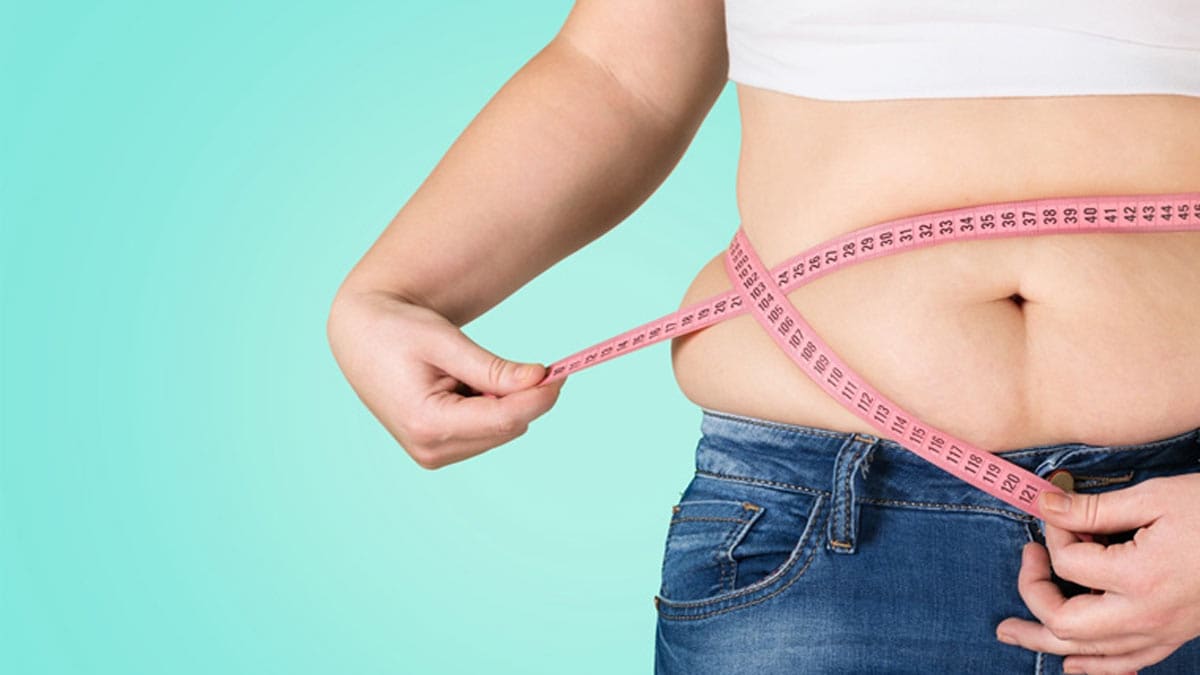
Most of us are accustomed to judging our health by the number on the weighing scale followed by a body mass index (BMI) calculation. Going by this metric, if you are overweight with a high BMI, you might land in the obese category. But this cannot be used to gauge your overall health, and it certainly cannot tell you whether you are living with sarcopenic obesity.
Sarcopenic obesity is a condition where excess body fat is accompanied by low skeletal muscle mass. Because weight cannot, under normal circumstances, distinguish between fat and lean tissue, even someone with a perfectly normal BMI can have this condition for years without realising it.
The insidious way in which sarcopenic obesity changes the body from the inside out is what makes it so problematic. It tends to create a double metabolic burden under the surface. Excess fat tissue pushes the body toward insulin resistance and releases inflammatory markers, and loss of muscle means you have less of the very tissue responsible for clearing glucose from your blood.
Together, they increase your risk of type 2 diabetes and heart disease as well as other complications like liver and kidney failure. At the same time, fat cells can infiltrate the muscle tissue itself, which lowers muscle quality and makes every contraction less efficient. Thus, begins a vicious cycle which makes everyday movement difficult and less frequent, which then leads to more fat gain and accelerates muscle breakdown further. The result is a potential loss of mobility, frailty and the possibility of recurrent injuries followed by frequent hospitalisations and a lowered quality of life.
Who is most at risk?
Adults over the age of 65 are at greatest risk. This is because natural ageing comes with a gradual loss of muscle mass and hormonal changes that encourage fat storage. That said, sarcopenic obesity is no longer just a senior person issue. More middle-aged and young adults are getting affected too, even if their weight falls within the 'normal' range.
Factors contributing to the condition
A sedentary lifestyle is the primary culprit; muscles tend to shrink when they are not used regularly, leading to the unused, unspent calories you consume every day getting stored in the body as fat. Diet is a major factor as well. Eating too many refined calories while compromising on protein intake starves the body of what it needs to maintain lean tissue. Other factors like smoking and alcohol abuse can be drivers too, as are bone-related conditions like osteoporosis/osteoarthritis.
Losing weight is important, but not at the cost of muscle loss
The first step towards managing sarcopenic obesity is completely changing how we think about weight loss. Shedding excess fat is vital for your metabolism and heart, but losing muscle along the way only worsens the problem.
Rapid, unsupervised weight loss involves the stripping away of muscle along with fat, lowering physical strength and weakening you in the long run. The real goal is to improve body composition, and this matters more than just watching a number drop on the weighing scale.
Eating enough protein every day helps protect and rebuild muscle, even during a mild calorie deficit. Resistance exercise, whether with weights, bands, or your own body weight, tells your body to hold onto lean tissue and restore strength.
For anyone using structured weight-loss programmes or medical treatments, working closely with a specialist doctor ensures the weight you lose comes from fat, protecting your mobility and long-term health.
(The author is a bariatric surgeon at Manipal Hospital, Bengaluru)
The opinions expressed in this article are those of the author and do not purport to reflect the opinions or views of THE WEEK.
