


 Add as a preferred source on Google

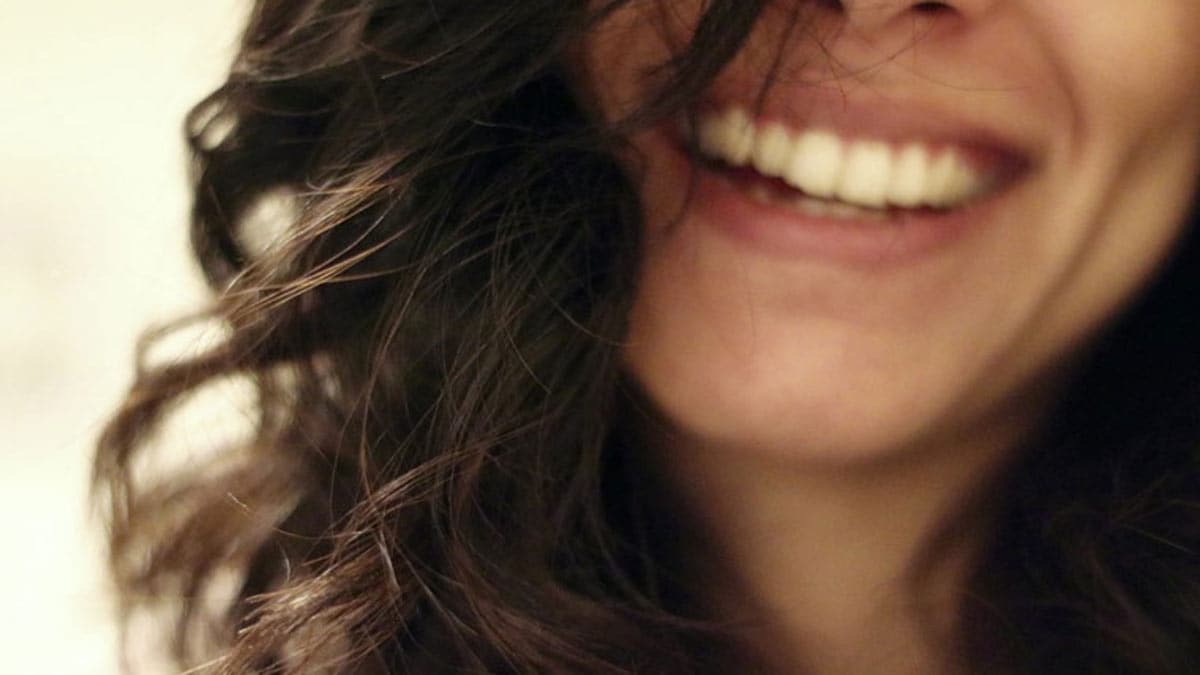
Open any social media feed and the same smile keeps appearing: dazzling white, perfectly even, and almost identical from one face to the next. A beautiful smile can have a profound impact on an individual's confidence, professional life, social interactions and overall personality. However, the growing trend of standardised cosmetic dentistry raises an important concern: are we striving for naturally beautiful smiles, or simply creating identical ones? A perfect smile should enhance an individual's unique features rather than erase their individuality.
The demand is real, and it is growing.
Dentistry in India has moved from treating pain to designing appearance. One industry forecast values India's cosmetic dentistry market at about USD 2.59 billion in 2026, rising to USD 8.69 billion by 2034, with clear aligners the largest segment. Behind those numbers is a young generation that treats the smile as part of its identity and a feed that shows it only one version.
The cost of imitation is already visible abroad. When dentists were surveyed for the BBC documentary on "Turkey teeth", the trend of mass-produced veneers and crowns, 597 of 1,000 said they had treated patients with complications from it. The reason is biological. Enamel, the hardest tissue in the human body, does not regenerate. A true veneer typically needs less than a millimetre of preparation. A crown, often marketed as a veneer, can remove roughly 40 to 50 per cent of a healthy tooth. A decision made for a photograph becomes a lifelong commitment for the tooth.
What a smile actually is?
Clinically, a smile is not a row of teeth. It is a relationship between teeth, lips, gums and the face that frames them. How much tooth shows at rest, how much gum appears when you laugh, the curve of the upper lip, the width of the face and the angle of the jaw all decide what looks right on a particular person.
Natural smiles also carry quiet signatures: central incisors slightly more dominant than the laterals, canines with character, translucent edges and surface texture that catches light unevenly. Remove these in pursuit of a uniform block of white, and the result looks "done" rather than lovely. It can flatten expression and age the face, and it often looks artificial in motion, which is how smiles are actually seen.
Your smile reflects your personality
A smile is also character made visible. On Halloween, a pair of oversized canines is enough to create a Dracula smile, and it is instantly theatrical. Everyday faces tell the same story, only more quietly. A slight cant of the upper lip can lend a smile a hint of sarcasm or mischief. In a soft-spoken person, the movement of lips and teeth is gentle and restrained. In a more forceful personality, a bolder, bulkier canine position often matches the expression. For some people, slightly irregular lower teeth are exactly what makes the smile warm. For others, one tooth overlapping another looks endearing. From a clinical perspective, a cute smile is often better than a perfect set of teeth.
That is why a smile cannot be borrowed from another face. It must be driven by your facial structure and your individual character, and it must suit the personality it belongs to. Correct what troubles the patient. Keep what makes them recognisable.
Where should the line be drawn?
The guiding philosophy is simple: design the smile around the person, not the trend. That means starting with the least invasive option and moving up only when it is genuinely needed. Teeth whitening, polishing, gum contouring and tooth bonding come first, followed by clear aligners to correct the position of the teeth, with porcelain veneers as a last resort. Digital smile-designing tools help clinicians plan and preview outcomes, but they cannot replace a clinician's eye for proportion, function and facial harmony. A smile that photographs well but bites badly will fail the patient within years.
Every patient considering a smile makeover should ask three questions:
- How much of the patient's natural tooth will be removed, and can the procedure ever be reversed?
- Is there a less invasive route to the same result?
- Will the final smile look natural and reflect the patient's individuality, or resemble everyone else's?
- Will the result look cute and natural, or harsh and overdone?
A dentist who welcomes these questions is one worth trusting. One who dismisses them is not.
Aesthetic dentistry at its best is invisible. No one should look at your smile and think it was manufactured. They should simply see you at your most confident. The perfect smile may be a trend, but a unique one is a signature, and it is worth protecting.
The author is the founder chairman, and chief cosmetic dentist of FMS Dental, with over 33 years of experience in cosmetic and restorative dentistry.
The opinions expressed in this article are those of the author and do not purport to reflect the opinions or views of THE WEEK.
