



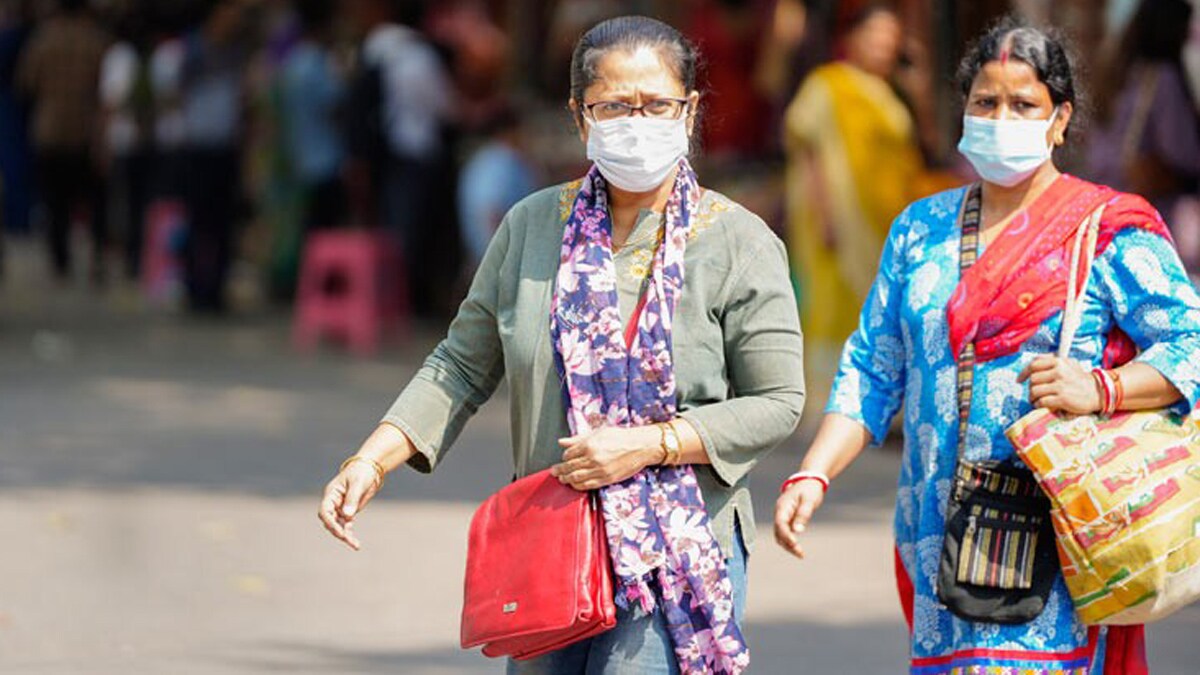
H1N1 cases are rising across India amid humid weather and climate shifts. Several individuals, including doctors, have tested positive for the virus, prompting experts to advise vigilance regarding flu-like symptoms and preventive precautions.
Delhi, Mumbai, Bengaluru, and Chennai have reported a high number of influenza cases and deaths. Delhi reported 1,344 H1N1 cases. Mumbai is also seeing a similar spike.
Doctors are also seeing patients with flu-like symptoms, while some patients have reported falling oxygen levels, raising concerns about more severe respiratory illness.
"At present, we are seeing a significant number of patients presenting with flu-like symptoms, including high-grade fever, which in some cases can reach 103°F, along with chills, a runny nose, sore throat and cough. Some patients may also experience gastrointestinal symptoms such as nausea and vomiting," said Dr Tushar Tayal, Associate Director - Internal Medicine, CK Birla Hospital, Gurgaon.
Dr Tayal said that the reassuring aspect is that, in most otherwise healthy individuals, influenza is a self-limiting viral illness that can be managed with adequate rest, hydration and symptomatic treatment.
"However, patients with severe symptoms or those with low immunity may require antiviral medication, as advised by a doctor. Antibiotics do not have a role in treating influenza unless there is a suspected or confirmed bacterial infection," said Dr Tayal.
It is important for people with flu-like symptoms to take precautions to prevent transmission, including wearing a mask, maintaining good hand hygiene and avoiding close contact with others. If the fever persists or worsens, or if there is difficulty breathing or a drop in oxygen levels, medical attention should be sought immediately.
Doctors also emphasise that even after the fever subsides, recovery may not be immediate. "A persistent cough, either dry or productive, can continue for several days or weeks. Some patients also report gastrointestinal symptoms such as heartburn, acidity, and nausea, along with headaches and marked fatigue," said Dr Sharwari Sudhir Dabhade, consultant - Internal Medicine, Diabetology & Endocrinology, Madhukar Rainbow Children's Hospital.
"The changing clinical pattern of influenza can sometimes make it difficult to distinguish uncomplicated flu from complications such as pneumonia or secondary infections. Delaying medical assessment or relying solely on self-medication may therefore allow complications to progress," she said.
Even doctors and staff getting affected has worsened the situation amid cases surging. "It's a genuine risk during a serious outbreak — if a chunk of staff falls sick or needs to quarantine at once, hospitals can get stretched thin, especially in smaller towns or already understaffed facilities," said Dr Dabhade.
Hospitals should establish backup shift schedules to prevent widespread exposure, keep reserve staff on standby, and mandate PPE—such as N95 masks, gloves, and hand hygiene—to significantly cut transmission risk, she added.
