



Contact lenses are so easy to live with that most people forget they're medical devices sitting directly on living tissue. That convenience is exactly why so many wearers push through symptoms they should really be paying attention to.
Many people become relaxed about basic precautions, such as removing lenses before sleeping, washing their hands before handling them, following the recommended replacement schedule and keeping lenses away from water.
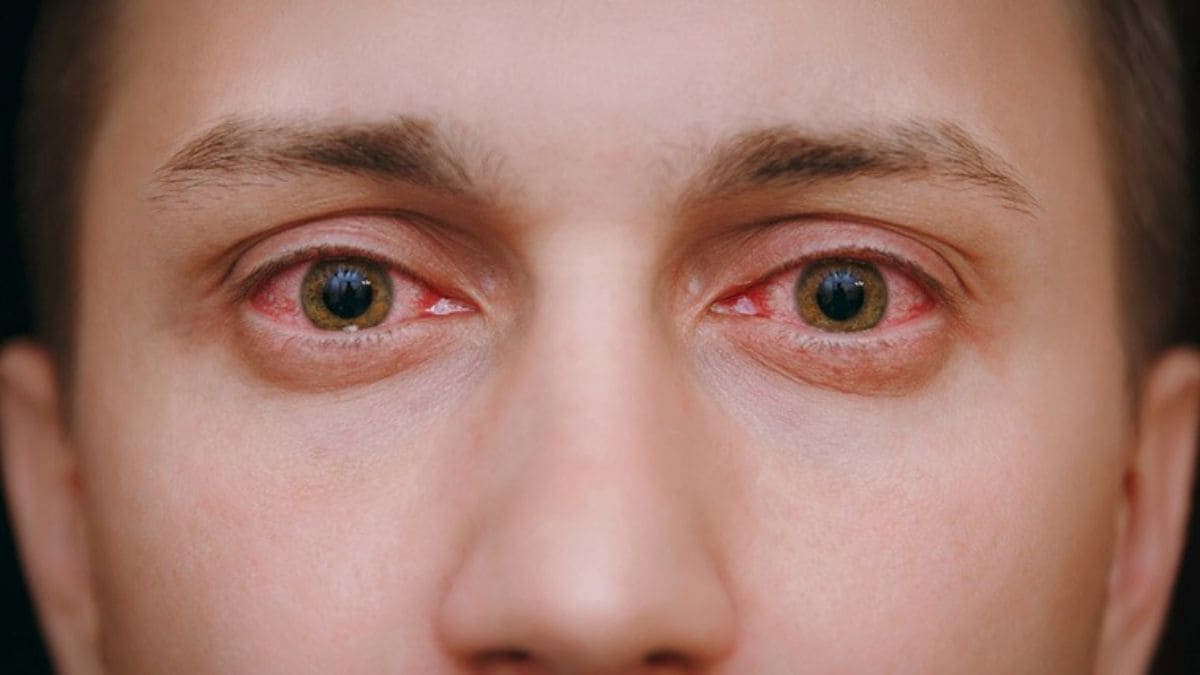
The risk becomes more concerning when symptoms are ignored. Eye infections linked to contact lenses can sometimes affect the cornea and, if treatment is delayed, may threaten vision. Certain germs found in water and on unclean hands can cause severe infections.
As more people choose contact lenses for everyday vision correction, good hygiene and proper lens care are more important than ever. New users may be especially likely to make simple mistakes if they have not received clear guidance on how to handle and clean their lenses.
The message is simple: contact lenses are safe when used correctly, but they should never be treated like an ordinary cosmetic accessory. Remove your lenses if your eyes become painful, very red, unusually sensitive to light, watery, or your vision becomes blurry. If these symptoms persist or are severe, seek advice from an eye-care professional promptly.
The habits that quietly raise your risk
Contact lenses are easy to use, which can make it tempting to become too relaxed about their care. Small habits that seem harmless can increase the chance of eye irritation or infection.
Sleeping in your lenses is one of the biggest habits to avoid for contact lens users. Even if you are tired or only plan to take a short nap, remove your lenses unless your eye doctor has specifically advised overnight wear (which is generally advised only in a particular type of contact lens and not for the regular ones).
Getting water on your lenses is another common mistake. Avoid wearing contacts while showering, swimming, or using a hot tub. Water can carry microorganisms that may cause serious eye infections and corneal ulcers.
Wearing lenses longer than recommended can also cause problems.
It is very important to follow the replacement schedule given for your particular lenses instead of stretching their use because they still look or feel fine.
Reusing old contact-lens solution is another habit to be avoided. Always use fresh solution and never simply add new solution to what is already in the case. Touching lenses with unwashed hands can transfer dirt and germs directly to your eyes. Wash and dry your hands before putting in or removing your lenses. Finally, don't use tap water or saliva to clean or store your lenses.
These habits may seem small, but protecting your eyes often comes down to doing the simple things consistently. If your eyes become painful, very red, unusually sensitive to light or your vision becomes blurry, remove your lenses and seek professional advice.
The warning signs that mean it's time to take them out
Given how easily small habits slip, it's worth being clear about which symptoms mean you should stop wearing your lenses immediately, not later in the day.
- Redness that doesn't fade quickly: A little redness after a long day at work or screen time is common. Redness that lingers, spreads, or comes with discomfort is not.
- Any pain, not just irritation: Mild dryness is normal, especially in dusty or air-conditioned environments. Sharp pain, a gritty or burning feeling that won't go away, or pain that worsens over hours can signal a scratch or an infection starting on the cornea.
- Light sensitivity: Sudden discomfort in normal daylight or indoor lighting is a classic sign the eye's surface is inflamed.
- Blurry vision that doesn't clear with blinking: Temporary blur from a dry or dusty lens is normal. Blur that persists is not.
- Discharge or excessive tearing: Especially discharge that is thick, colored, or crusts overnight. This points toward infection rather than simple dryness.
- A feeling that something is stuck in your eye: This can mean a torn lens, a foreign particle, or early corneal damage.
Any one of these on its own is reason enough to remove your lenses and switch to glasses. More than one together, such as redness with pain and light sensitivity, is reason to see an eye doctor the same day.
Contact lenses remain a safe and effective choice when used correctly. The risk comes almost entirely from habits like sleeping in lenses, stretching out replacement schedules, or skipping hand hygiene, not from the lenses themselves.
Your eyes are allowed to feel a little tired by the end of the day. They are not allowed to hurt, turn red, blur your vision, or feel off in a way that lingers. When that line gets crossed, take the lenses out first and ask questions, followed by an immediate consultation with an ophthalmologist for a complete eye checkup.
(The author specialises in advanced cataract, cornea, and refractive surgery at Dr Agarwal's Eye Hospital, Rajouri Garden, Delhi)
The opinions expressed in this article are those of the author and do not purport to reflect the opinions or views of THE WEEK.
