



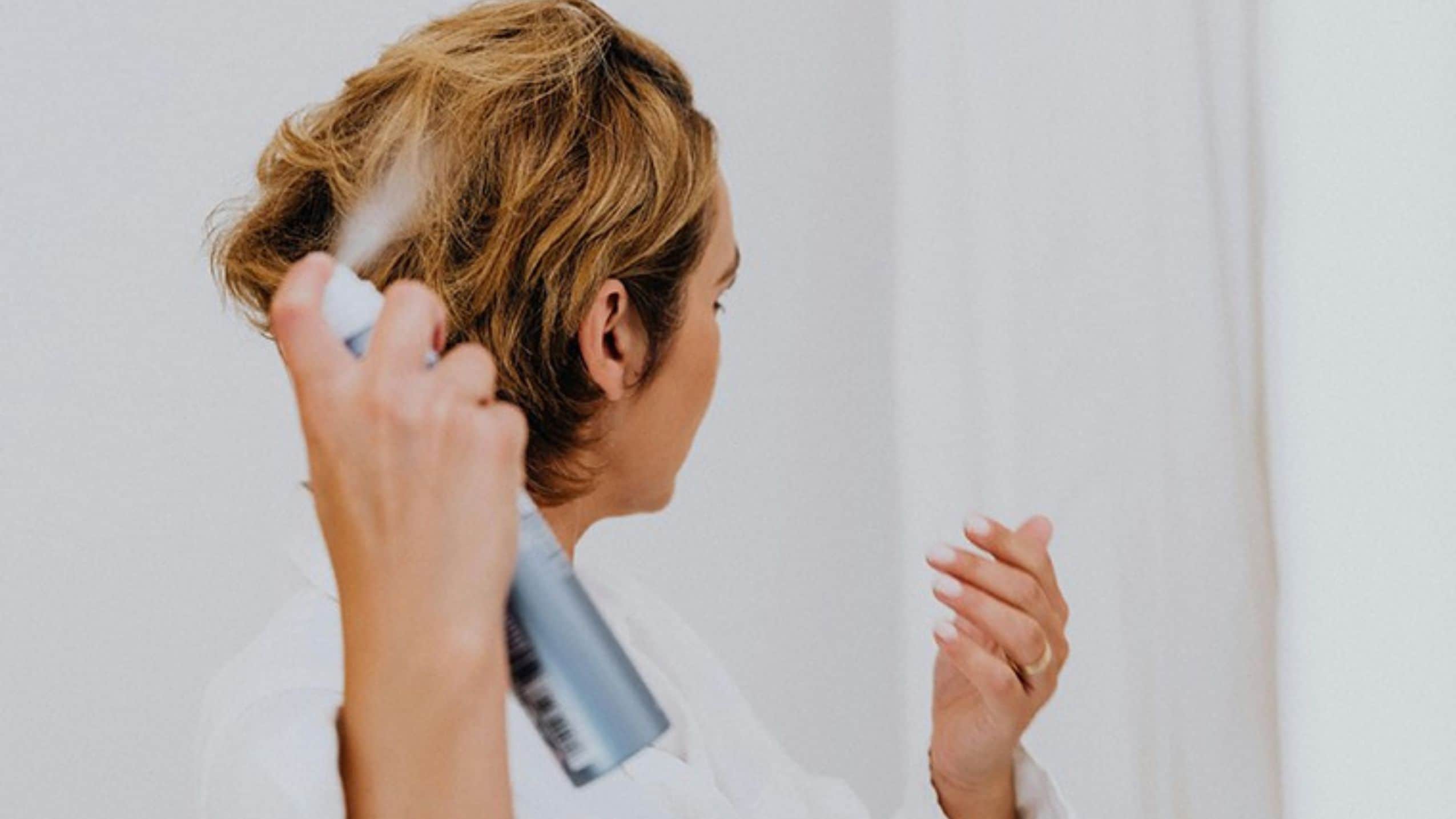
CLAIM:
The viral Instagram post claims that research suggests permanent hair dyes may increase the risk of breast cancer by up to 60%, particularly among frequent users. It adds that while studies show an association rather than proof of causation, people who colour their hair regularly may consider reducing chemical exposure by using gentler products, spacing out treatments and following safe application practices.
FACT:
Current evidence suggests that permanent hair dye use may be associated with a small increase in breast cancer risk in certain groups, particularly frequent users and some racial or genetic populations. However, there is no conclusive evidence that hair dyes directly cause breast cancer, and most available studies are observational, showing association rather than causation. Experts say there is no recommendation for the general population to stop using hair dyes. They advise that while sensible precautions such as wearing gloves, ensuring good ventilation and choosing gentler formulations may help reduce chemical exposure, these measures are based on general chemical safety principles rather than definitive evidence that they prevent breast cancer.
Sometimes the urge to colour your hair comes suddenly - a new shade of copper, burgundy, blue or purple can feel like a fresh mood, a style change or a confidence boost. While many people know hair dye can affect hair texture, some may wonder whether it could also affect long-term health.
In a recent Instagram post by Yelyzaveta Storozhuk, who has 1.68 lakh followers, the post mentions that, “Research suggests that hair dyes may increase the risk of breast cancer by upto 60%.”
The caption of the post adds that, “Can hair dye increase the risk of breast cancer - or is this just a misunderstanding of the research?” It refers to large epidemiological studies, including the NIH Sister Study, and states that women who regularly used permanent hair dye had a slightly higher incidence of breast cancer than those who did not dye their hair. The caption also notes that some hair dyes contain aromatic amines and other chemical compounds that may potentially be absorbed through the skin, while emphasising that these studies show an association, not a cause-and-effect relationship.
The post further says that the absolute increase in risk remains relatively small and may depend on the frequency of use, the type of hair dye and individual biological factors. It adds that occasional hair dye use is generally considered to carry minimal risk, while regular users may choose to reduce chemical exposure by spacing out treatments, choosing gentler formulas and using gloves and ventilation during application.
With some users commenting, “My moms 70 she’s been dying her hair since she was a teen goes on regular mammograms she’s fine.” Others wrote, “This is why I use Henna to dye my hair red.” and “Sadly it’s true. It gets into your bloodstream try to do anything natural!”
Do hair dyes increase the chances of breast cancer?
Available evidence suggests that permanent hair dye use may be associated with a small increase in breast cancer risk in some groups, particularly among frequent users and certain racial or genetic populations. However, the findings are not consistent across studies, and there is no conclusive evidence that hair dyes directly cause breast cancer. Researchers continue to emphasise the need for further long-term, high-quality studies to better understand any potential risks.
A 2018 meta-analysis reviewed eight case-control studies published between 1980 and 2017 that compared breast cancer risk among hair dye users and non-users. After adjusting for publication bias, the researchers reported that "the adjusted RR for women using hair dyes was 1.1885." They noted that this represented "an 18.8% increased risk of future development of breast cancer among hair dye users." However, the authors also cautioned that "further work is required to confirm our results and clarify potential mechanisms," concluding that "our findings suggest that exposure to hair dyes may contribute to an increased breast cancer risk."
Further evidence came from the 2020 NIH Sister Study, a large prospective cohort study involving 46,709 women aged 35–74 years who had a sister with breast cancer but were cancer-free at enrolment. During an average follow-up of 8.3 years, researchers identified 2,794 breast cancer cases. The study found that permanent hair dye use was associated with a 45% higher breast cancer risk among Black women and a 7% higher risk among White women. The researchers also observed that "higher risk [was] associated with increased frequency" of straightener use. Overall, they concluded that "we observed a higher breast cancer risk associated with any straightener use and personal use of permanent dye, especially among black women," adding that "these results suggest that chemicals in hair products may play a role in breast carcinogenesis." However, as an observational study, it could not establish that hair dyes directly caused breast cancer.
In contrast, findings from a 2020 BMJ study were more reassuring. Researchers followed 1.172 lakh women in the Nurses' Health Study for 36 years to examine the relationship between permanent hair dye use and cancer risk. The study found that "ever users of permanent hair dyes had no significant increases in risk of solid cancers... or hematopoietic cancers overall compared with non-users." Similarly, the researchers reported no increased risk for most specific cancers, including estrogen receptor-positive breast cancer, progesterone receptor-positive breast cancer, and hormone receptor-positive breast cancer. However, they did observe that "cumulative dose was positively associated with risk of estrogen receptor negative breast cancer, progesterone receptor negative breast cancer, hormone receptor negative breast cancer, and ovarian cancer." The authors concluded that "no positive association was found between personal use of permanent hair dye and risk of most cancers and cancer related mortality," while noting that the findings related to certain breast cancer subtypes and ovarian cancer "warrant further investigation."
Most recently, a 2026 systematic review examined 96 studies published between 1964 and March 2025 on hair dye use and cancer risk. The review found that while the evidence was inconsistent, some studies suggested potential associations between hair dye use and cancer risk, particularly among frequent, long-term users and certain population groups. The authors reported "increased risk of estrogen receptor + breast cancer among African American women" and noted that individuals with slow acetylator N-acetyltransferase 2 genotypes or CYP1A2 had elevated cancer risk with dye use. The review also found that maternal use during the first trimester significantly increased offspring risk of acute lymphoblastic leukemia, with the risk further increasing if dye use continued during lactation. However, the authors acknowledged important limitations, including differences in study design, study populations and potential confounding factors, and concluded that "there is evidence to suggest possible increased cancer risks for frequent, long-term hair dye use in specific populations."
What experts say
Commenting on the claim, Dr Poovamma C U, Lead & HOD – Breast Oncology & Oncoplasty, Aster CMI Hospital, Bengaluru, said the viral post overstates what the current evidence shows. According to her, while some studies have reported a higher risk of breast cancer among women who frequently use permanent hair dyes, the widely cited "60% increase" comes from specific subgroup analyses and should not be interpreted as applying to everyone who colours their hair.
"Large observational studies, including the Sister Study in the US, found a modest association between frequent use of permanent dyes and breast cancer risk, especially among certain populations," she said. However, she added that many other studies have shown weak, inconsistent or no significant associations, and that "even when a relative increase is reported, the overall absolute risk remains small."
Dr Poovamma emphasised that an association does not mean causation. She explained that most of the available evidence comes from observational studies, which can identify correlations but cannot prove that hair dyes directly cause breast cancer. "Many factors can influence breast cancer risk, including genetics, age, hormonal history, lifestyle, obesity, smoking and environmental exposures, making it difficult to isolate the role of hair dye alone," she said. She also noted that hair dye formulations have changed significantly over time, with several potentially harmful chemicals removed from modern products.
Addressing the claim about chemicals in hair dyes, Dr Poovamma said that some permanent hair dyes contain aromatic amines and other compounds that have shown carcinogenic potential in laboratory or occupational exposure studies. However, she explained that commercially available hair dyes are now subject to regulatory oversight, and it remains unclear whether the small amounts absorbed through the scalp during normal use are sufficient to significantly increase breast cancer risk in humans. "While some observational studies suggest a possible link between long-term use of permanent dyes and breast cancer, there is no clear evidence proving that chemicals in currently approved commercial hair dyes directly cause breast cancer," she said.
Regarding practical advice, Dr Poovamma said there is no recommendation for the general population to stop using hair dyes. However, people who colour their hair frequently may choose to use products with fewer harsh chemicals or ammonia-free formulations, increase the interval between dyeing sessions, wear gloves during application and ensure good ventilation. She clarified that these measures are based on general chemical safety principles rather than definitive evidence that they prevent breast cancer, adding that the current scientific evidence linking hair dye use and breast cancer remains inconclusive.
This story is done in collaboration with First Check, which is the health journalism vertical of DataLEADS
