



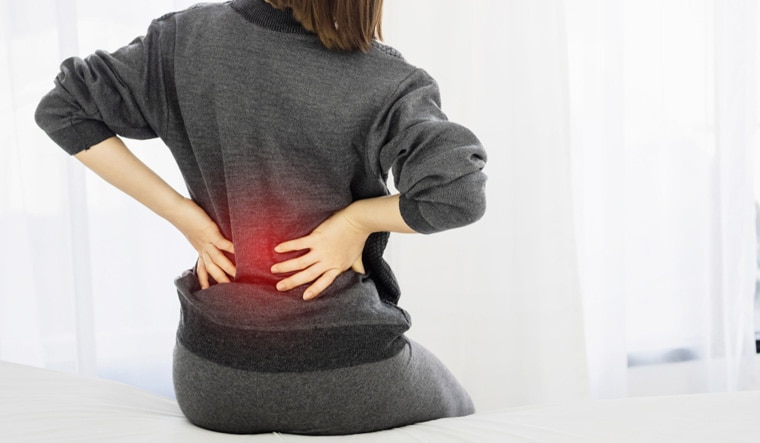
Back discomfort is shrugged off as a fact of life by many women. Pregnancy often feels as if the growing baby is the cause. Post-menopause, it is accepted as a result of ageing.
But the truth is, a woman’s spine goes through amazing changes during her lifetime, driven by hormones, muscle strength, bone health and lifestyle. These alterations must be understood to protect long-term spinal health.
Pregnancy is one of the most stressful times for the spine. As the baby develops, the body's centre of gravity shifts forward, increasing the curve of the lower back and putting more stress on the spine and surrounding muscles.
There will be hormonal changes which will soften the ligaments to prepare the pelvis for childbirth (especially the secretion of relaxin), but these alterations will also weaken the stability of the spine. A comprehensive review and meta-analysis published in BMC Pregnancy and Childbirth in 2023 found that 40.5 per cent of pregnant women globally have low back pain. The prevalence rises from 28.3 per cent in the first trimester to over 48 per cent in the third trimester.
The postpartum time is not without its obstacles. Caring for a baby may involve lengthy breastfeeding, lifting, carrying, and broken sleep, all of which can strain the neck and back. Many new mothers focus completely on the health of their newborn and neglect their own recuperation. Gentle strengthening exercises, good posture, and retraining core and pelvic floor muscles can significantly reduce recurrent back problems.
Many women spend the years between pregnancy and menopause juggling work, family duties and sedentary lives. Sitting at a desk for long periods of time, being less active and gaining weight can damage the muscles that support the spine. Other conditions, including obesity and vitamin D insufficiency, increase the likelihood of chronic back pain. It’s also time to invest in preventive practices like regular exercise, getting enough calcium and protein, and maintaining a healthy weight.
Another key tipping point is the menopause. As oestrogen levels fall, loss of bone accelerates, and the risk for osteoporosis and vertebral fractures increases. Osteoporosis remains one of the leading causes of disability and fractures in older women, affecting one in three women over the age of 50 worldwide. The thing most people don’t understand is that bone health is created much earlier in life. Bone mineral density typically peaks between the ages of 25 and 30.
Healthy adults begin to lose approximately 0.3% to 0.5% of their bone mass per year from about age 35. The rate accelerates markedly after menopause because of a precipitous drop in oestrogen. That’s why prevention must begin well before osteoporosis sets in.
Weight-bearing exercise, sufficient calcium and vitamin D intake and a healthy lifestyle will help to maximise bone strength early on. Women at risk should also undergo timely bone mineral density (BMD) screening. Identifying and treating low bone mass in the osteopenic stage, before it progresses to osteoporosis, can dramatically reduce fracture risk and preserve mobility, independence, and quality of life.
No matter what your age, persistent pain, numbness, limb weakness or loss of bladder or bowel control should not be disregarded. A medical professional should evaluate these symptoms promptly.
A woman’s spine is there to support her throughout life – from pregnancy to menopause. Good posture, regular movement, strength training and appropriate medical guidance can make a huge difference. Taking care of your spine is not just about avoiding discomfort. It is about protecting your freedom, mobility and quality of life for decades to come.
The author is a consultant gynaecologist and infertility specialist at HOSMAT Hospitals.
The opinions expressed in this article are those of the author and do not purport to reflect the opinions or views of THE WEEK.
