



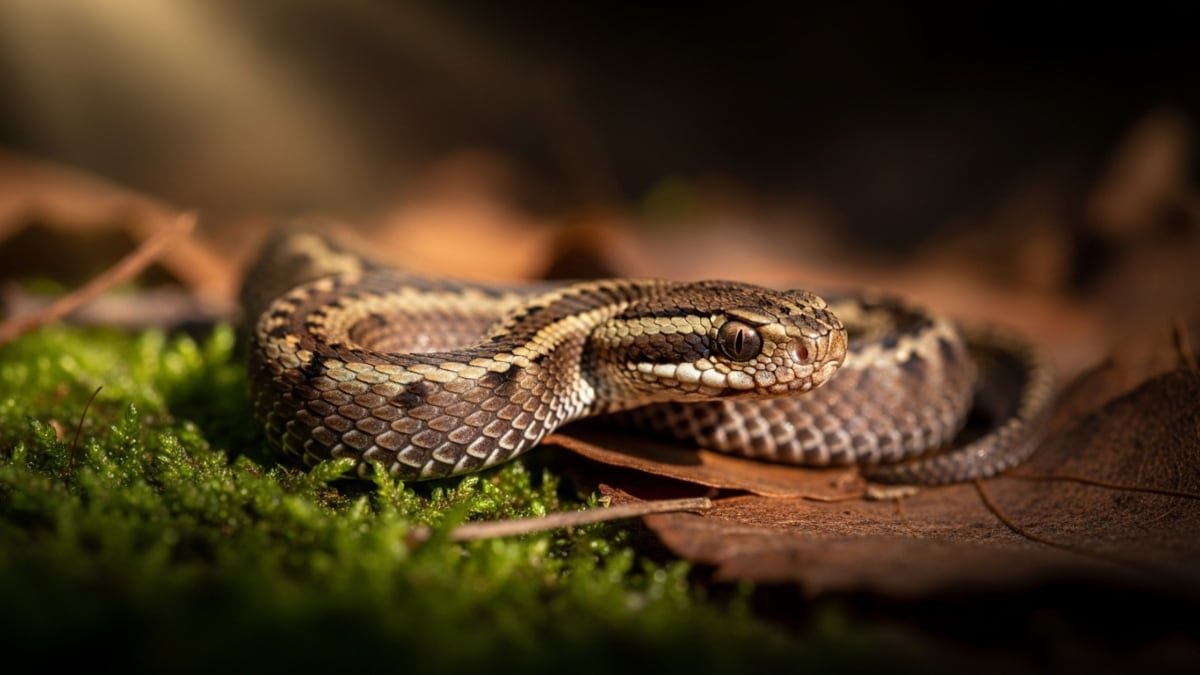
On June 29, Kerala Home Minister Ramesh Chennithala made a shocking remark. Chennithala, who is leading 'Operation Toofan' against drug abuse, stated, "There are parlours in Kerala where baby vipers are made to bite the tongues of addicts in search of a high.
Giving a graphic account of the extremes to which junkies would go in Kerala, the home minister detailed his 'Operation Toofan'.
However, his claims were proven factually incorrect after Shimna Azeez, a social media influencer and a doctor, conducted a fact-check to debunk them. "If a viper bites the tongue, forget about getting high—you won't survive a single moment longer," she said.
Following this, Chennithala withdrew his statement.
Azeez pointed out that since it came from a responsible political leader, there is a high possibility of a medically erroneous idea becoming popular.
How does a baby viper's bite affect humans?
A baby viper's venom is hemotoxic, a toxin that destroys red blood cells and disrupts normal blood. It can cause localised tissue damage, rapid swelling, and severe bleeding disorders.
It directly attacks the circulatory system. Though baby vipers inject a much smaller volume of venom, their bites remain medical emergencies requiring immediate intervention.
Also, a bite on the tongue is far more dangerous. There is a common urban legend that baby snakes are more dangerous because "they don't know how to control the amount of venom they inject." Though it is unproven by herpetologists, baby vipers are still fully venomous from the day they are born.
Since the tongue is packed with a dense network of blood vessels and soft tissue, within minutes, the tongue can swell to several times its normal size.
Because the tongue is anchored at the back of the mouth, this extreme swelling completely blocks the throat, obstructing the upper airway. The victim faces an immediate risk of asphyxiation (suffocation) long before the venom even circulates through the rest of the body.
Also, direct injection into the tongue allows the venom to enter the main bloodstream almost instantly.
