



Despite the growing access to health information, doctors still face persistent myths that affect patient choices. These misconceptions often delay timely care or cause unnecessary anxiety. This National Doctors’ Day, I would like to highlight some of the most common misunderstandings that need to be addressed.
1. If I feel fine, I don’t need regular check-ups
One of the most widespread myths is that not having symptoms means you are healthy. In fact, many conditions like hypertension, diabetes, or even early-stage cancers can go unnoticed for years. Preventive health check-ups allow for early detection, which greatly improves outcomes and lowers treatment costs. The routine screenings are essential, even for those who feel perfectly healthy.
2. Antibiotics can treat all infections
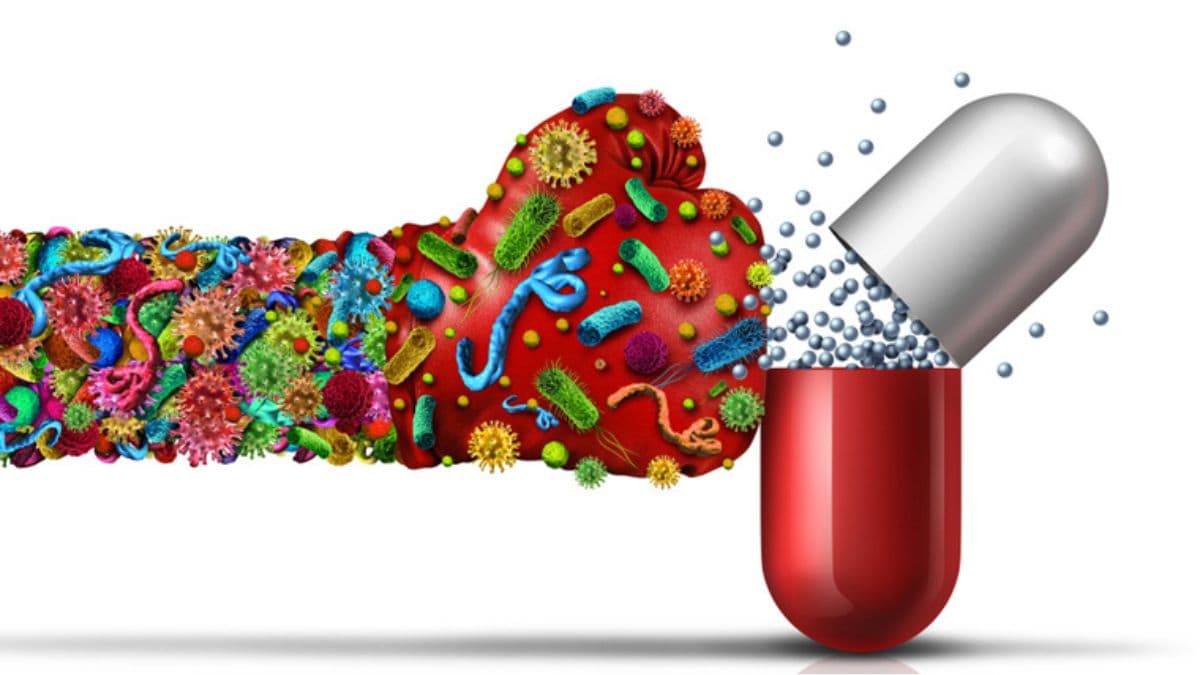
A common and dangerous belief is that antibiotics can cure any infection. Antibiotics work only on bacterial infections. They do not help with viral illnesses such as the common cold, flu, or most throat infections. Misusing antibiotics contributes to antimicrobial resistance, making infections harder to treat later. Physicians strongly advise against self-medication and stress the importance of following prescribed treatment plans.
3. Natural or home remedies are always safe
While traditional remedies have their place, the idea that ‘natural’ means ‘harmless’ is misleading. Some herbs, supplements, or home treatments can interact negatively with medications or worsen existing conditions. As a doctor, I would encourage patients to consult a qualified healthcare professional before using alternative or complementary treatments, especially if they have chronic illnesses.
4. Mental health is not as important as physical health
Mental well-being is often ignored or stigmatised, yet it plays a vital role in overall health. Issues like stress, anxiety, and depression can lead to serious physical problems if not addressed. Seeking help for mental health issues is just as important as consulting a doctor for a physical problem. Early intervention can lead to better recovery and improved quality of life.
5. Serious diseases only affect older people
Age is a factor in many illnesses, but it is not the only one. Lifestyle-related conditions such as heart disease, diabetes, and some cancers are increasingly being diagnosed in younger individuals due to sedentary habits, poor diets, stress, and smoking. Developing healthy habits early on is crucial for long-term health.
Misinformation, whether spread informally or amplified online, can have real effects on health outcomes. It is important to understand the need, to trust credible medical advice, prioritise preventive care, and maintain open communication with healthcare providers. Busting these myths is not just about correcting beliefs; it is about empowering individuals to make informed choices for healthier lives.
The author is the director of Obstetrics & Gynaecology at Madhukar Rainbow Hospital, Delhi.
The opinions expressed in this article are those of the author and do not purport to reflect the opinions or views of THE WEEK.
