



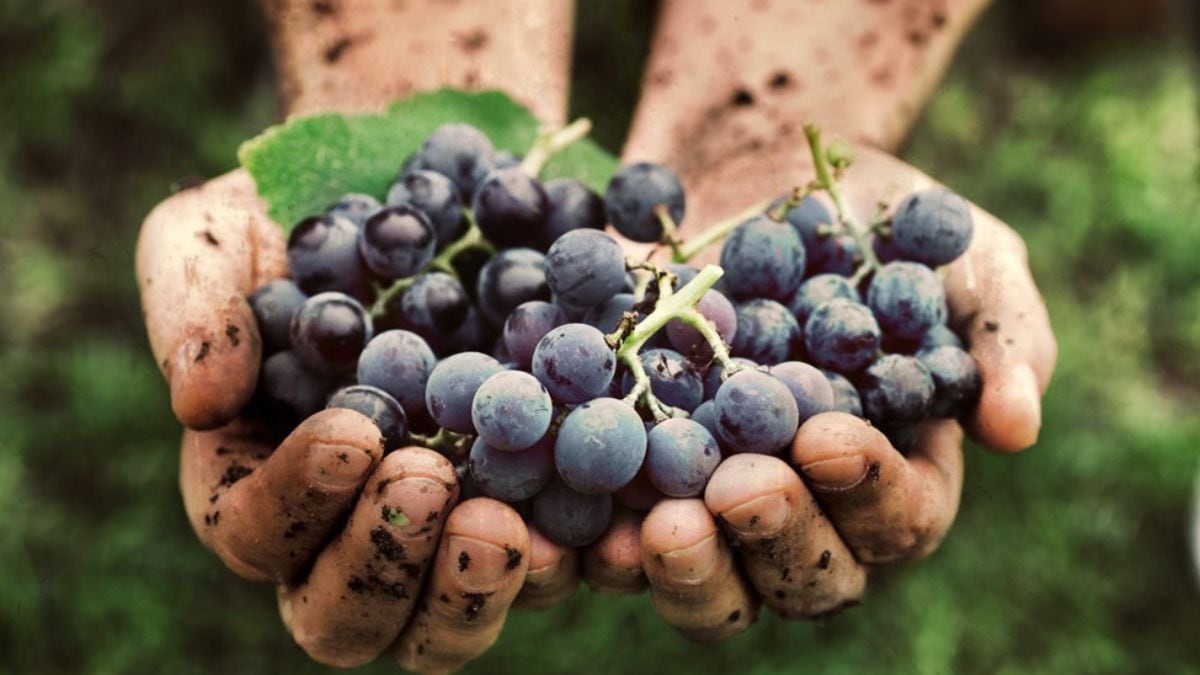
CLAIM: Grapes help protect skin cells from UV-related damage and may also help prevent premature ageing.
FACT: Several studies have found that grapes possess anti-inflammatory properties that aid skin repair and help protect against UV-related damage. However, doctors recommend combining grape consumption with other sun-protection measures such as sunscreen, umbrellas, protective clothing and sunglasses, along with a healthy diet rich in fruits and vegetables.
Looking for ways to protect your skin in this summer heat? Searching for ideas to check how to protect yourself from the harmful UV rays? This instagram post by bodytruth.ig, which is followed by over 1 lakh 11 thousand followers, might have a solution for you. It says eating grapes regularly will save you from skin damage. The post also claims that grapes help in protecting the skin cells from oxidative stress and UV-related damage.
The post reads, “Scientists found that grape-derived antioxidants can help strengthen the skin's natural defence systems, potentially making skin cells more resilient to environmental stressors that contribute to premature ageing.”
It further claims that regular grape consumption might influence the genes involved in the skin’s response to sunlight, inflammation and cellular repair.
What does research say?
A 2020 meta-analysis found that grape polyphenols improved blood fat markers at a daily intake of 400 mg. The benefits included blocking fat absorption, reducing fat production in the liver, and improving the cholesterol balance in the body. This makes consumption of grapes beneficial for not just healthy people but also for people with diabetes, obesity or high cholesterol, highlighting its potential as a broadly applicable dietary intervention across different health conditions. However, the study recommended the consumption of the whole grapes, saying that neither seed extractions nor grape juice gave the same results.
Another study from 2022, conducted on 29 people who were given three servings of grapes per day for two weeks, found that 9 out of 29 people developed more resistance to UV damage. Three out of these nine people maintained their protection even after 30 days of stopping grape consumption.
The study showed that grapes react differently to different people depending on their gut health. By Day 30, significant reductions in 2-deoxyribonic acid, 3-hydroxyphenyl acetic acid and scyllo-inositol were observed in the UV-resistant group. These reductions indicated less DNA damage occurring in their skin cells when exposed to UV radiation. This chemical was generally elevated in the remaining 20 non-responders, suggesting greater UV-induced DNA damage in that group.
In a 2025 study, researchers found that grapes contain three chemicals - resveratrol, proanthocyanidins and cyanidine-3-glucose - that work as antioxidants, support the immune system, and block harmful signals covered by UV rays.
“Components of grapes, in particular resveratrol, proanthocyanidins, and cyanidin‐3‐glucoside, are receiving considerable attention for their photoprotective actions because of their lack of toxicity, abundance, and low cost,” the study pointed out. “Resveratrol and proanthocyanidins are potent antioxidants that interfere with signal transduction and immunosuppressive pathways activated by UV radiation, which are responsible for its harmful effects.”
Expert opinions
Dr Rashmi Sarkar, Director-Professor, Department of Dermatology, Lady Hardinge Medical College and Hospital, New Delhi, agreed that grapes can protect against UV rays. “Grapes are rich in antioxidants such as Vitamin C and polyphenols, so they can protect against UV rays, but this is not absolute and should be combined with other UV protection methods, like an umbrella, sunglasses and sunscreens,” she said.
Dr Sarkar added that too many grapes might lead to a sugar spike and digestive issues, so it is advisable to have a balance in the number of grapes one eats.
“Grapes have anti-inflammatory properties due to their composition, which is good for skin repair, but so are other fruits and vegetables like tomatoes, green leafy vegetables, berries and citrus fruits,” Dr Sarkar said.
This story is done in collaboration with First Check, which is the health journalism vertical of DataLEADS
