



Delhi reported 162 dengue cases, 42 malaria cases and nine chikungunya cases from January 1 to mid-June this year, according to the Municipal Corporation of Delhi's (MCD) weekly vector-borne disease report released on Monday.
Dengue remained the most commonly reported of the three diseases in the city, although the number of cases was lower than the 196 recorded during the corresponding period in 2025.
Similarly, there has been a decline in malaria cases, compared to 70 recorded during the same period in 2025. Chikungunya infections stood at nine, down from 14 cases reported during the same period last year.
Among Delhi's civic zones, the West Zone recorded the highest number of dengue cases so far in 2026, at 29. The Central Zone followed with 21 cases. The Civil Lines reported 20 cases. For malaria, the West Zone again recorded the highest tally at 14 cases.
The MCD report noted that a significant number of cases were either acquired outside Delhi or had incomplete addresses on record. This, the report said, made it difficult for authorities to trace the source of infections and follow up on cases.
As part of anti-mosquito measures, MCD officials conducted more than 8.3 lakh house visits during the latest reporting week to check for mosquito breeding activity. Of these households visited, mosquito larvae were found in 4,028.
During the same week, authorities served 3,532 legal notices to residents and establishments found to have mosquito-breeding conditions on their premises. In addition, 379 prosecutions were initiated for related violations.
The MCD data also provided a cumulative picture of enforcement activity since the start of the year. From January 1, civic teams visited over 1.7 crore households across the city as part of vector-control operations. These inspections resulted in 34,480 legal notices being issued and 3,926 prosecutions being launched across Delhi.
Mosquito-borne diseases
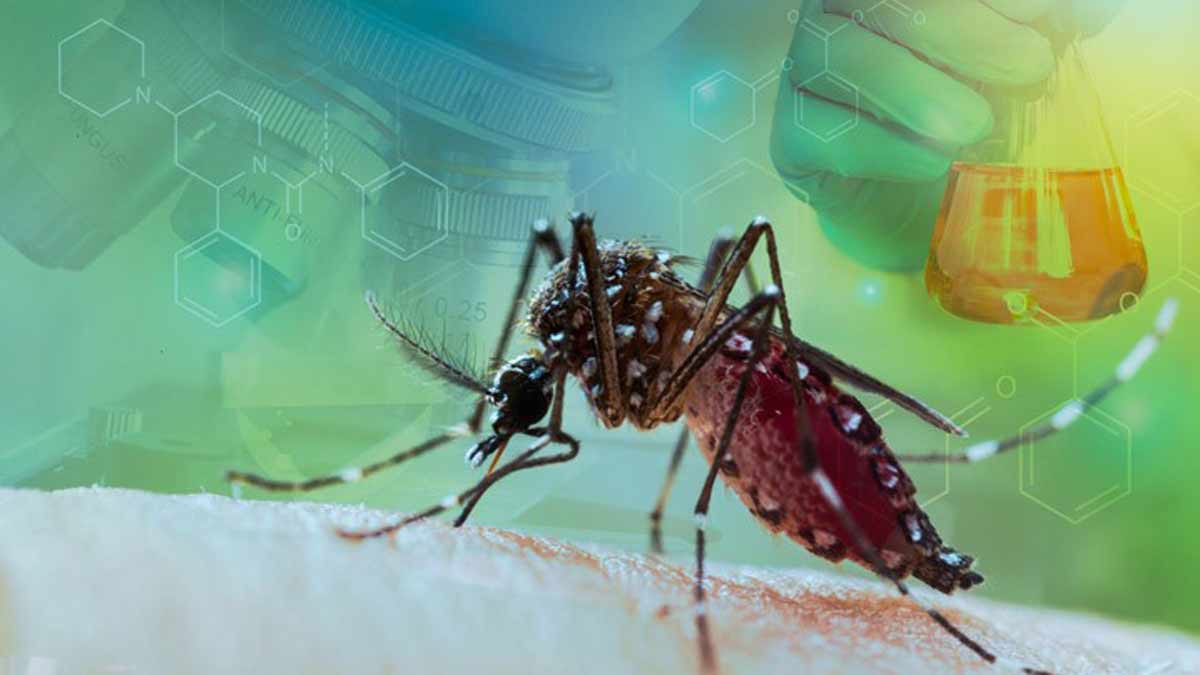
Dengue, malaria and chikungunya are all diseases spread through mosquito bites. Dengue and chikungunya are spread by the Aedes aegypti mosquito, which breeds in clean, stagnant water collected in containers such as coolers, flower pots, and discarded tyres. Malaria is spread by the Anopheles mosquito.
Delhi typically sees a rise in vector-borne disease cases during and after the monsoon months, which run from July through September. August, September and October have historically recorded the highest number of dengue cases in the city.
MCD officials ask residents to ensure that water was not allowed to collect in and around their homes. Coolers, flower pots, overhead tanks, and other containers are identified as common sites for mosquito breeding. Officials said residents should change the water in coolers and flower pots at least once a week and keep water storage containers covered at all times.
What experts say
Dr Neeraj Nischal, Professor of Medicine at AIIMS Delhi, said incomplete address data in the MCD report posed a significant challenge to disease surveillance.
"Delayed identification of hotspots, missed vector-control opportunities and underestimation of local risk are the consequences," he said. "If imported cases seed new clusters, incomplete address information weakens one of the most important tools in dengue control: rapid identification and containment of transmission foci."
Dr Nischal said the MCD's enforcement drive was important but insufficient on its own.
"Mosquito breeding can recur within days if behaviour does not change. Most breeding sites are in private premises, requiring sustained community participation. Fogging and notices have only temporary effects unless water storage practices improve," he said. "Delhi is starting the monsoon season from a better position than last year, but the months ahead, not June, will determine the true magnitude of the 2026 dengue season."
This story is done in collaboration with First Check, which is the health journalism vertical of DataLEADS
