



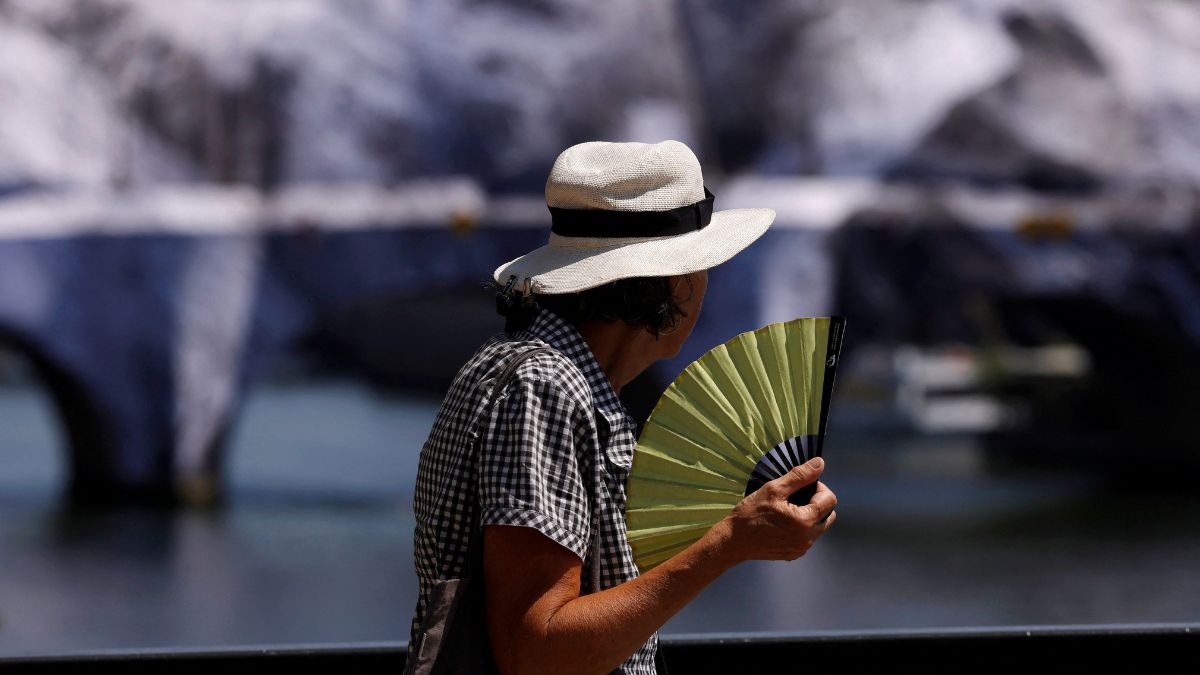
In recent times, heatwaves have been wreaking havoc in the UK, which is also seen to be becoming more frequent, intense, and prolonged. As temperatures continue to break records, health experts are warning that extreme heat is emerging as a major public health concern across the country. From heatstroke and dehydration to worsening chronic illnesses, heatwaves are becoming a bigger health threat in the UK than ever before.
As per Reuters, the UK Health Security Agency said there was a risk to life for even healthy people, and advised the elderly to take extra care during the heatwave. "Humidity is also a factor, making this heatwave even more impactful with heat stress a danger to all," the Met Office said in its statement.
Prolonged periods of high heat can put significant stress on the human body. When temperatures rise above normal levels, the body has to work harder to maintain a stable internal temperature. This can lead to heat-related illnesses such as heat exhaustion and heatstroke, both of which can become medical emergencies if left unattended.
Certain groups are particularly vulnerable during heatwaves. Older adults, infants, pregnant women, and people with chronic health conditions such as heart disease, diabetes, and respiratory illnesses are at higher risk of serious complications.
High temperatures can worsen existing health problems by placing additional strain on the heart and lungs. For elderly individuals, reduced ability to regulate body temperature can make them more susceptible to heat-related illnesses. Similarly, young children may struggle to stay hydrated and cool during extreme weather conditions.
The effects of heatwaves are not limited to physical health. High temperatures have been linked to increased irritability, anxiety, sleep disturbances, and reduced concentration.
How to stay safe during a heatwave?
Health experts recommend drinking plenty of water, avoiding direct sunlight during the hottest part of the day, wearing lightweight clothing, and keeping indoor spaces as cool as possible. Checking on elderly relatives, neighbours, and vulnerable individuals can also help prevent heat-related emergencies.
For more information, consult a health expert.
