



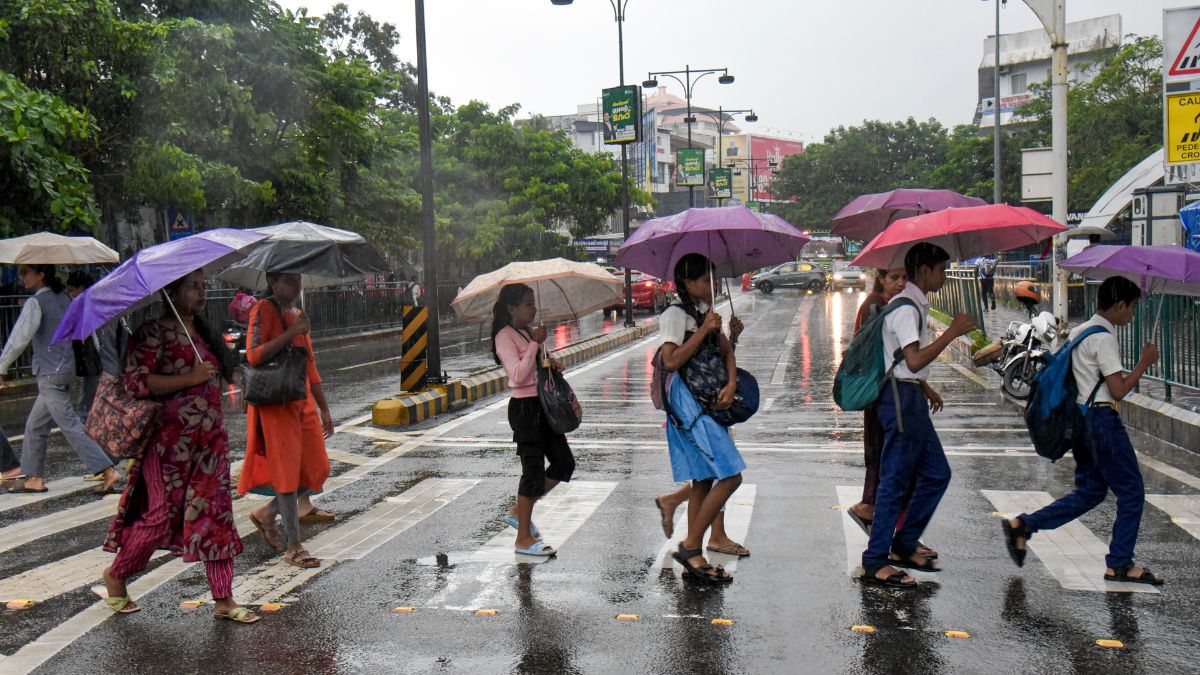
The southwest monsoon has set over Kerala, while North India is preparing for heavy rains towards the end of June. While the monsoon brings welcome relief from the scorching summer heat, it is traditionally viewed with wariness as a season of widespread illness. With a combination of humidity, stagnant water, and contaminated water supplies, there are chances of a significant surge in vector-borne and waterborne illnesses in many parts of the country. Consequently, health experts heavily emphasise the importance of being cautious and proactive during the rainy season.
Mosquito-borne diseases
Dengue: It is a viral infection caused by the Aedes aegypti mosquito. The infection spread through mosquito bites. Symptoms of dengue fever include: rash, muscle pain, intense pain behind your eyes, nausea or vomiting, abdominal pain, bleeding gums, throwing up blood, and extreme tiredness. Severe dengue can cause dengue hemorrhagic fever, which can be fatal. Symptoms of severe dengue usually start a day or two after your fever goes away.
Dengue isn’t contagious directly from one person to another, like the flu. But if you’re pregnant and get dengue, you can pass it to your baby during pregnancy or childbirth.
Malaria: Malaria is another type of life-threatening disease spread to humans by some types of mosquitoes. It is transmitted by a parasite of the genus Plasmodium. The symptoms are similar to dengue, including flu-like symptoms, fever, vomiting, diarrhoea, and jaundice.
Chikungunya: This viral disease spreads to humans through the bite of infected Aedes aegypti and Aedes albopictus mosquitoes. These mosquitoes are daytime biters. The main symptoms include sudden high fever and severe, debilitating joint pain that can sometimes last for weeks or even months.
Waterborne and gastrointestinal infections
Typhoid: Typhoid is a life-threatening infection caused by Salmonella typhi bacteria. It spreads through contaminated food and water. Symptoms include high fever, stomach pain, weakness and headache. It could lead to fatal complications if left untreated.
Cholera: It is an acute diarrheal infection caused by the bacterium Vibrio cholerae. Main symptoms include watery diarrhoea, vomiting, and leg cramps. In severe cases, it could cause extreme dehydration and death within hours if left untreated.
Unsafe drinking water, poor sanitation and inadequate hygiene lead to the infection.
Gastroenteritis (stomach flu): It is an inflammation of the stomach and intestines caused by viral or bacterial infections. It includes symptoms like nausea, vomiting, diarrhoea, and stomach cramps.
Jaundice (Hepatitis A&E): It is a condition when your skin, whites of your eyes and mucous membranes turn yellow. The condition occurs when your liver is unable to process bilirubin in your blood.
Main symptoms include discolouration in urine and stools, itchy skin, nausea and mild abdominal pain.
Monsoon risks
Leptospirosis: It is a bacterial infection transmitted from animals to humans through urine. Symptoms range from mild flu-like aches to severe, life-threatening organ failure. Other symptoms include: high fever, severe headache, muscle aches, red eyes, nausea, and diarrhoea.
Viral fever, cold &flu: Flu is worse than the common cold and is typically more intense.
Skin infections (fungal): Skin infections occur when pathogens like bacteria, fungi, viruses, or parasites enter your skin through a cut or crack. Symptoms vary by type but typically include redness, swelling, warmth, pain, or pus.
Prevention strategies
Taking simple preventive steps—such as consuming boiled water, maintaining strict personal hygiene, and eliminating breeding pools around the home—is essential to enjoying the refreshing beauty of the monsoons without compromising one's health. Consult a doctor if any of the symptoms persist for more than three to four days.
