



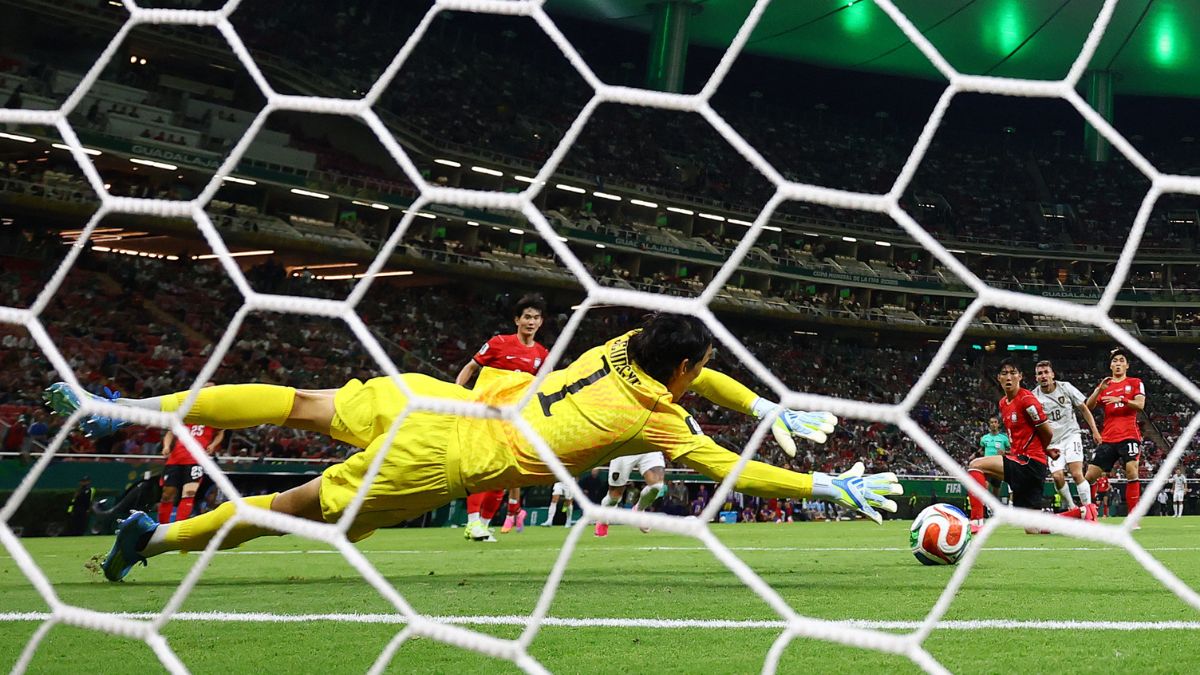
Mexico started its FIFA World Cup 2026 journey in the opening match at the Estadio Azteca in Mexico City and the next game against South Korea will be in Guadalajara. If Mexico wins Group A, the reward will be a match back at the Azteca in Mexico City. If not, the next match would be in Los Angeles.
With fans being excited about the biggest tournament in football history, teams and players are carefully planning strategies for the upcoming matches that will be spread across the United States, Canada, and Mexico.
While it sounds thrilling to experience the expanded competition and iconic venues, players will face a unique challenge that could significantly affect their health and performance.
How will the FIFA 2026 match schedule affect the health of the players?
Unlike previous World Cups hosted in a single country or a compact region, FIFA 2026 will be played across 16 host cities separated by thousands of kilometers.
Sports health experts have warned that the vast geographical spread could create physical and mental stress for players throughout the tournament. Travelling across the host cities will be a major factor in player preparation and recovery.
Long flights, airport transfers, disrupted sleep schedules, and changing time zones can reduce recovery time between matches. Fatigue caused by travel may lead to reduced concentration and a potentially higher risk of injuries. Will the jet lag eventually influence the player's performance? We'll have to see.
Players will also have to be very particular about their food consumption during their travels. "Potential increases with digestive distress, which is an important one, because it's uncomfortable and it's not pleasant. If we have gastrointestinal distress, the absorption of those nutrients, and in particular, those carbohydrates, can be significantly impacted, and then also from a hydration perspective," said San Diego FC's head of human performance, Luke Jenkinson, to ESPN.
Climate differences will add another layer of difficulty. Players could experience hot and humid conditions in certain match locations before moving to cooler locations. These sudden environmental changes force the body to adapt constantly, increasing physical stress and potentially affecting match performance. Experts have expressed concerns that heat and humidity could impair players' ability to regulate body temperature, leading to dehydration and reduced endurance.
Weather disruptions could further complicate team schedules. Such interruptions may affect pre-match routines, training sessions, and recovery plans, making it harder for players to maintain peak physical condition.
As FIFA World Cup 2026 unfolds across three nations, success may depend not only on football skills but also on how effectively teams manage travel, climate, altitude, and recovery.
