



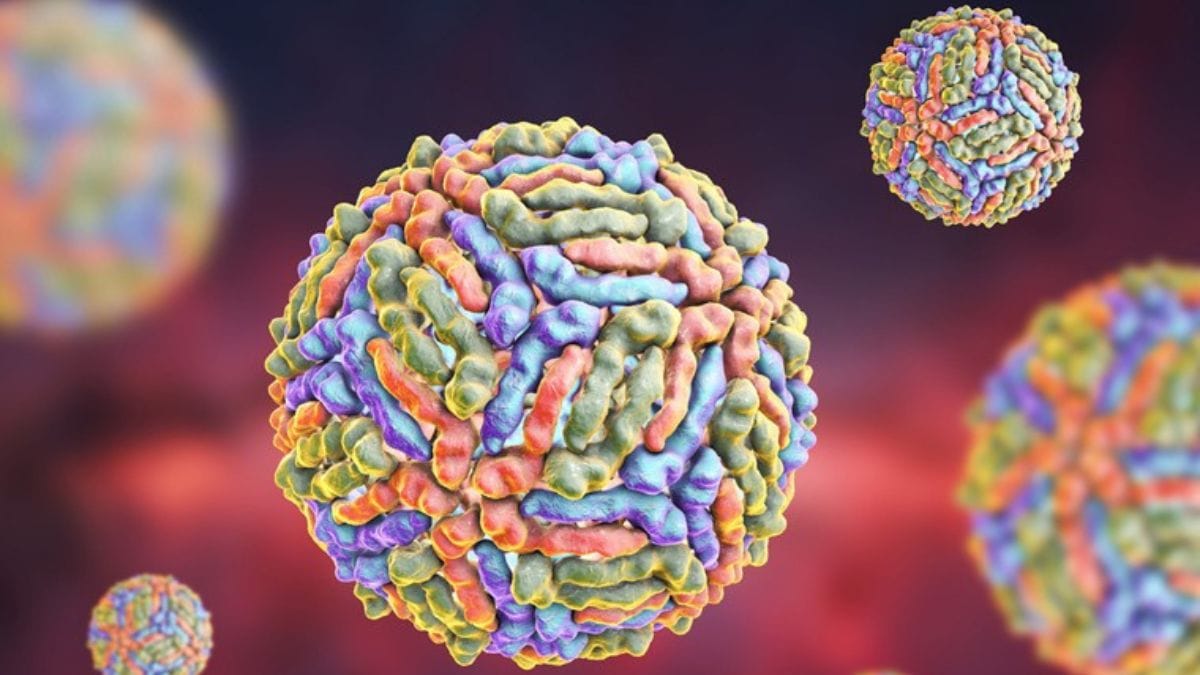
Kerala is on high alert after a 70-year-old man from Ernakulam died due to suspected West Nile fever. State health authorities have intensified surveillance after this became the second reported death linked to the mosquito-borne disease within a week. Residents have been urged to follow mosquito-control measures, and officials have warned that negligence in maintaining residential premises and eliminating mosquito-breeding sites could attract penalties under the Public Health Act.
This alert has come at a time when the state is already dealing with a rise in Shigella infections. Although West Nile fever and Shigella are unrelated diseases caused by entirely different pathogens and spread through different routes, the simultaneous occurrence of both infections has left many people concerned. As concerns grow over these illnesses, understanding the key differences between West Nile virus and Shigella infection becomes important.
What is West Nile fever?
West Nile fever is an infection caused by the West Nile virus, a mosquito-borne virus that primarily circulates among birds and mosquitoes but can occasionally infect humans and other mammals. According to the World Health Organization (WHO), nearly 80 per cent of infected people do not develop symptoms. However, some individuals may experience a mild flu-like illness known as West Nile fever, while a small proportion can develop severe neurological disease.
Johns Hopkins Medicine notes that the virus can infect humans, birds, horses, and several other mammals. In rare cases, transmission through blood transfusion, organ transplantation, or from mother to fetus has also been reported. Severe forms of the disease can lead to inflammation of the brain (encephalitis), inflammation of the membranes surrounding the brain and spinal cord (meningitis), or meningoencephalitis, which can be life-threatening.
What causes it?
West Nile virus is spread to humans through the bite of an infected female mosquito. Mosquitoes become infected when they feed on infected birds, which act as the primary reservoir of the virus. Species such as crows and jays are commonly associated with transmission, although more than 100 bird species can carry the virus.
Unlike many viral illnesses, West Nile virus does not spread through casual contact between humans. Rare cases of transmission through blood transfusion, organ transplantation, and pregnancy have been documented. The risk of infection increases during mosquito season, typically during summer and early autumn, when mosquito activity is at its peak.
What are the symptoms of West Nile fever?
Most people infected with West Nile virus remain asymptomatic and may never realise they have been infected. WHO data reveals that around one in five infected individuals develops West Nile fever, which resembles a mild flu-like illness.
Common symptoms include fever, headache, body aches, skin rash over the trunk, and swollen lymph nodes. Most patients recover completely within a few days or weeks.
In rare cases, particularly among older adults, the virus may invade the nervous system and cause severe disease. Symptoms of severe infection include high fever, severe headache, neck stiffness, confusion, disorientation, tremors, seizures, muscle weakness, paralysis, impaired consciousness, and even coma. Such cases require urgent medical attention and can result in long-term neurological complications.
Who is at risk?
Anyone exposed to infected mosquito bites can contract West Nile virus, but certain groups are more vulnerable to severe illness. Older adults, particularly those above 60 years, are at higher risk of developing neurological complications.
People with weakened immune systems, including cancer patients, transplant recipients, and individuals with chronic illnesses, are also more susceptible to severe disease. Those living in areas with high mosquito activity or spending long periods outdoors during dawn and dusk, when mosquitoes are most active, may face a greater risk of infection.
Is there a treatment or vaccine for West Nile fever?
There is currently no specific antiviral treatment or vaccine available for West Nile fever in humans. Mild cases usually resolve on their own with rest, hydration, and medications to relieve fever and body aches.
Severe infections affecting the brain or nervous system often require hospitalisation and supportive care. Patients may need intravenous fluids, respiratory support, and treatment to manage complications. Because prevention remains the best defence, health experts recommend using mosquito repellents, wearing full-sleeved clothing, avoiding outdoor exposure during peak mosquito hours, and eliminating stagnant water around homes to reduce mosquito breeding.
And, what is Shigella infection?
Unlike West Nile virus, which is caused by a virus transmitted through mosquitoes, Shigella infection is a bacterial disease that affects the digestive system. Also known as shigellosis, it is caused by bacteria belonging to the genus Shigella and primarily spreads through contaminated food, water, or contact with infected individuals.
Shigellosis is one of the leading causes of diarrhoeal illness worldwide. It can range from mild stomach upset to severe dysentery, characterised by bloody diarrhoea and dehydration. People can spread the infection even if they do not develop symptoms, making it highly contagious.
What causes Shigella infection?
Shigellosis occurs when Shigella bacteria enter the body through the mouth. The bacteria are transmitted through contact with contaminated stool and can spread easily in places where hygiene practices are poor or where people live in close quarters.
One of the most common modes of transmission is person-to-person contact, particularly in households, schools, daycare centres, and nursing homes. Infection can also occur through consuming contaminated food or drinking contaminated water. Swallowing contaminated water while swimming in lakes, rivers, or ponds may also cause illness.
Direct exposure to infected stool during diaper changing, caregiving, or certain sexual practices can further increase the risk of transmission.
How do I know if I have Shigella infection?
The hallmark symptom of shigellosis is diarrhoea, which may be watery or bloody and can sometimes contain mucus or pus. Patients often experience stomach cramps, abdominal pain, fever, nausea, and vomiting.
The illness may range from mild to severe. In some cases, people may not show symptoms but can still transmit the bacteria to others. Symptoms usually begin one to two days after exposure and may last for several days.
Complications can occur, particularly among vulnerable individuals. Severe dehydration due to excessive fluid loss is common and may require hospitalisation. In rare cases, the infection can spread to the bloodstream, trigger seizures, cause reactive arthritis, or lead to haemolytic uremic syndrome, a serious condition that damages blood vessels in the kidneys.
Who is at risk?
Young children under five years of age are among the most vulnerable to shigellosis. Individuals with weakened immune systems, older adults, and people living in areas with poor sanitation are also at higher risk.
People who travel to places with limited access to clean water may face increased exposure. The Cleveland clinic also notes that men who have sex with men, individuals experiencing homelessness, and those living in crowded settings are more susceptible to infection because of the ease with which the bacteria spreads.
How is Shigella infection treated and can it be prevented?
According to the US Centers for Disease Control and Prevention (CDC), “People who have shigellosis usually get better without antibiotic treatment in 5 to 7 days. People with mild shigellosis may need only fluids and rest. Your healthcare provider may prescribe medicine to treat illness caused by Shigella. If you have diarrhea, drink a lot of water or other fluids to avoid dehydration (loss of fluids).”
Preventing the spread of Shigella largely depends on good hygiene practices. According to the CDC, regular handwashing with soap and water, particularly after using the toilet, changing diapers, and before handling food, can significantly reduce the risk of infection. People are also advised to avoid swallowing water while swimming and to follow safe food and water practices when travelling internationally.
“Take care when changing diapers. Avoid swallowing water while swimming. When traveling internationally, follow safe food and water habits and clean your hands often,” the CDC says.
The agency also advises avoiding sexual contact while recovering from the infection. “If you or your partner has been diagnosed with shigellosis, do not have sex for at least two weeks after the diarrhoea ends,” the CDC recommends.
This story is done in collaboration with First Check, which is the health journalism vertical of DataLEADS
