



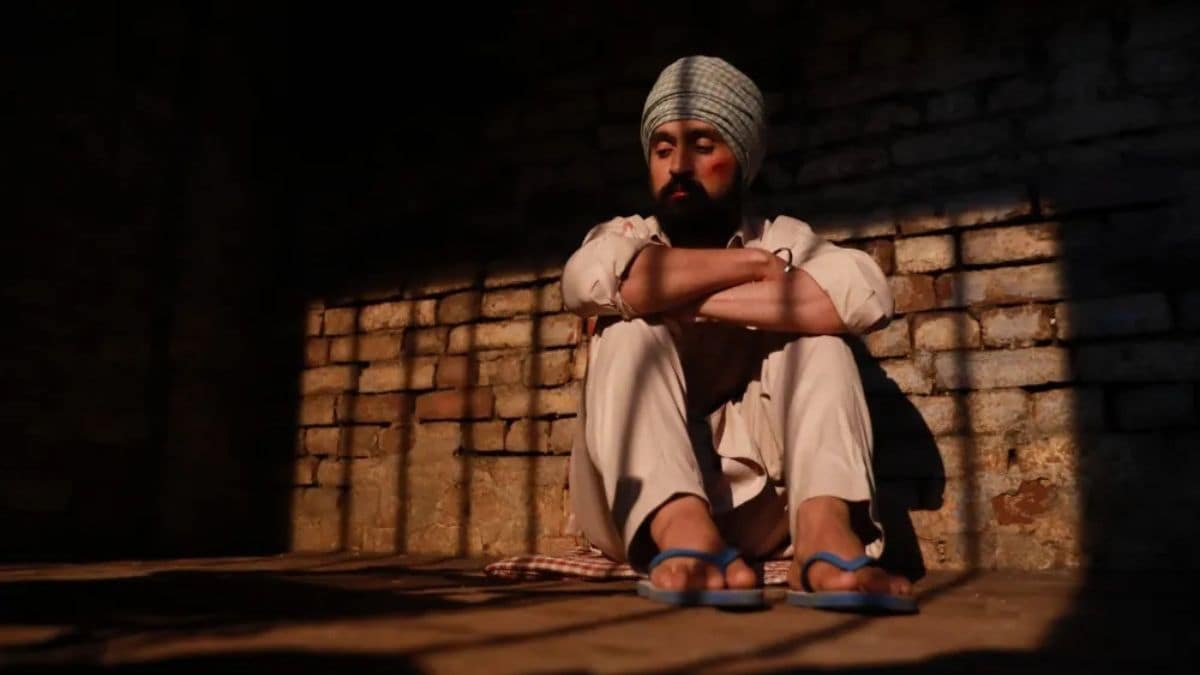
After ZEE5 removed Honey Trehan directorial Satluj within two days of its OTT release, actor-singer Diljit Dosanjh said it was bound to happen. However, he said he is happy that many people have watched or downloaded the film before it was pulled down.
Formerly titled Panjab 95, the film was stuck with Central Board of Film Certification (CBFC) for more than three years. The makers refused to release the movie after the censor board suggested 127 cuts in the film.
Why is Satluj so controversial and what is the real-life story behind this biopic?
Satluj is a biopic of human rights activist and bank clerk Jaswant Singh Khalra, who is portrayed by Diljit Dosanjh. The movie chronicles Khalra's investigation into the alleged illegal cremation of thousands of unidentified bodies during Punjab's militancy era between 1984 and 1994. Khalra accused then-DGP K.P.S. Gill of ordering these extra-judicial killings.
The documented evidence collected by Khalra revealed that those who went missing during the militancy era were secretly cremated by police without informing their families. His findings brought international attention to the incident and he addressed the Canadian House of Commons.
After massive public outrage over the findings, Khalra was kidnapped in 1995 and later murdered. His mortal remains were never traced.
In 2005, four police personnel were convicted for Khalra's abduction and murder and sentenced to several years in prison. Two years later, their sentences were enhanced to life imprisonment by the Punjab and Haryana High Court.
Satluj was slated for its world premiere at the Toronto International Film Festival (TIFF) in 2023, but the organisers removed it from the line-up without releasing any official statement. Two years later, the film was set to release worldwide on February 7, 2025, without any cuts, except in India. However, more hurdles stopped the release.
