



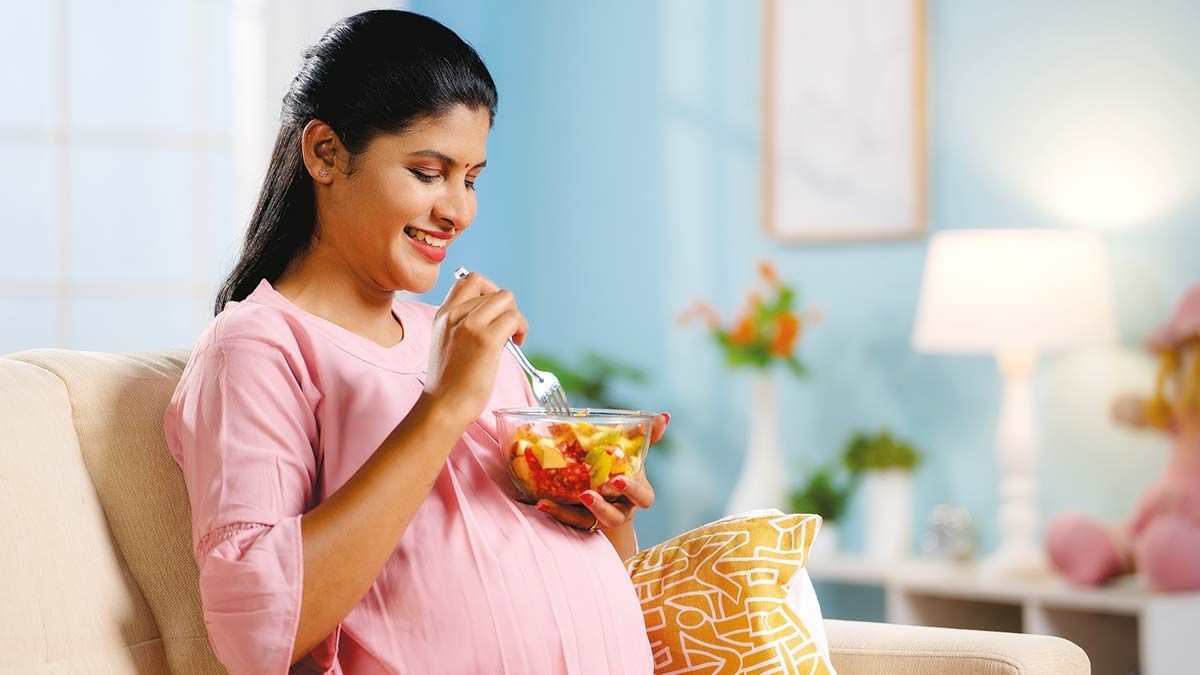
One of the earliest changes many women notice in pregnancy is how unpredictable food suddenly becomes. Things that were once favourites may feel unappealing, and cravings can come on without much warning. This is all quite normal, but it can make everyday eating feel a bit confusing.
When the body starts asking for different things
Cravings don’t always need to be controlled or pushed away. It usually works better to adjust around them. For example, if there’s a strong craving for something sweet, adding a bit of protein or something filling alongside can help avoid sudden highs and lows in energy.
In the same way, if certain foods feel difficult to tolerate, especially in the first few months, it’s reasonable to look for substitutes rather than forcing them in.
While foods like lean meat and whole grains, berries, avocados, dried fruit, fish liver oil, leafy greens, dairy products, sweet potatoes, and salmon can be consumed, certain foods like raw sprouts, unpasteurised milk, cheese, fruit juice, alcohol, processed junk foods, undercooked or raw fish, processed meat, and raw eggs are to be avoided.
A balanced diet during pregnancy doesn’t have to be overly planned. What helps more is keeping some regularity. Eating at fairly consistent times, and including a mix of grains, protein, fats, and fresh foods through the day, tends to work well. Nutrients like iron (lean red meat, beans, dried fruits, etc.), calcium (milk, yoghurt, cheese, etc.), folate (leafy greens, etc.), and DHA (salmon, trout, algae-based supplements) are important.
In many cases, smaller, more frequent meals tend to feel easier to manage than three large ones. Splitting meals across the day can help with nausea, prevent long gaps without food, and keep energy levels more stable. On average, an expecting mother needs an additional 340 calories per day during the second trimester and 450 in the third trimester.
The quiet role of hydration
Fluids are often the first thing to slip. There’s usually a lot of focus on food, but not as much on water intake. Even mild dehydration can make issues like fatigue or constipation more noticeable, so keeping up with fluids through the day does help. Alcohol indulgence must be strictly stopped, as it not only increases the chance of birth defects but also causes maternal dehydration by increasing urine output and fluid loss.
The idea of “clean eating” can sometimes be misunderstood. It doesn’t mean cutting out everything enjoyable. It’s more about choosing simpler, less processed foods most of the time. The quality of the food is always more important than the quantity.
A simple way to approach meals is to think in terms of balance on the plate—roughly with 50% non-starchy vegetables (leafy greens and carrots), 25% lean protein (chicken, lentils, and eggs), and 25% whole grains or starchy vegetables (brown rice and sweet potato), with healthy fats. This helps ensure a more even spread of nutrients without needing to track every detail.
A balanced approach works best
It helps to pay attention to what the body is tolerating, but without losing structure altogether. Pregnancy is not the right time for extreme diets or sudden restrictions. A steady, flexible approach tends to be easier to follow.
At the same time, dietary choices may need to be adjusted based on individual medical needs. For instance, in conditions like gestational diabetes, meal timing, portion size, and carbohydrate choices may require closer attention to maintain stable blood sugar levels. Similarly, since an increased risk of neurodevelopmental delay was seen in children whose mothers consumed tea and coffee during pregnancy, these beverages are to be avoided.
Over time, these small, consistent choices support both the baby’s growth and the mother’s overall well-being, without making food feel like something that needs to be constantly managed.
Dr Velaga Sirisha, is a consultant- laparoscopic surgeon, urogynecologist & reconstructive pelvic surgeon, Arete Hospitals.
The opinions expressed in this article are those of the author and do not purport to reflect the opinions or views of THE WEEK.
