



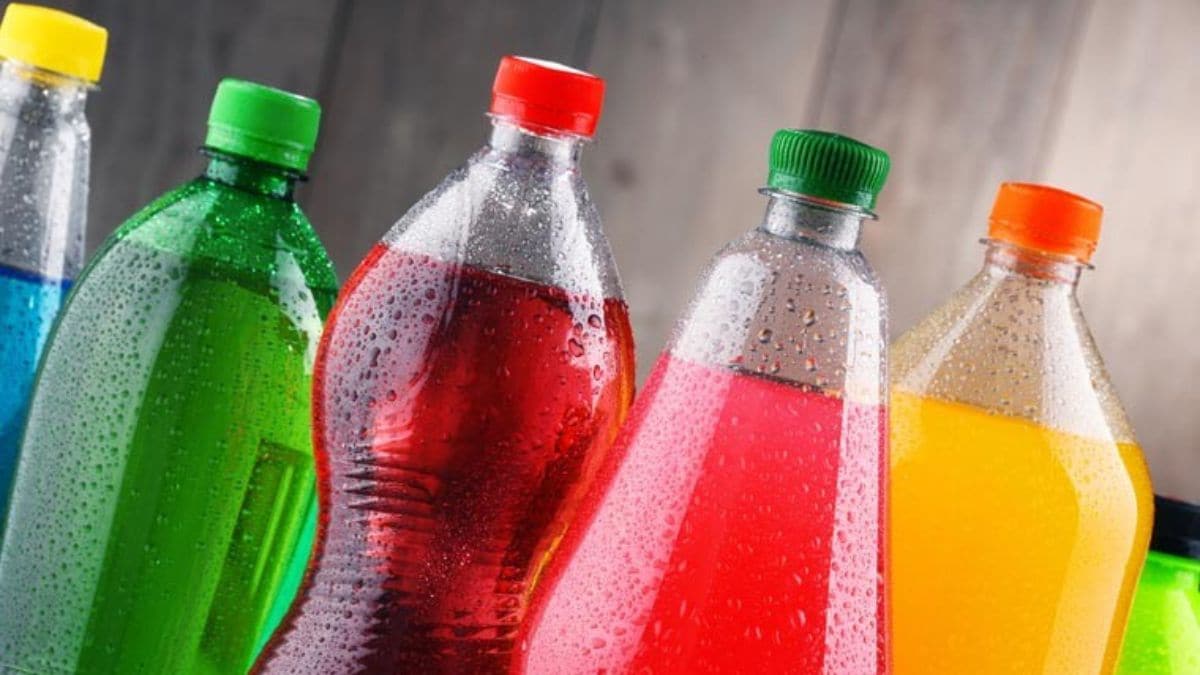
Sugary drinks and alcoholic beverages are becoming cheaper across much of the world, and the World Health Organisation (WHO) warns that this trend is already fuelling a surge in obesity, diabetes, heart disease, cancer and injury-related deaths, particularly among children and young adults. In two new global reports released this week, the WHO has urged governments to strengthen taxes on these health-harming products, arguing that weak tax systems are allowing harmful consumption to grow while health systems struggle under the rising burden of preventable diseases.
The WHO’s warning comes at a time when many countries, including India, are reassessing their fiscal policies around sugar-sweetened beverages. In September 2025, India introduced a major reform by sharply increasing the Goods and Services Tax (GST) on sugary and caffeinated drinks to 40 per cent, a move that health experts say could have far-reaching public health implications.
Globally, sugary drinks and alcohol have become more affordable not because they are cheaper to produce, but because taxes have failed to keep pace with inflation and rising incomes. As a result, these products now take up a smaller share of household spending, encouraging higher consumption, especially among younger populations. The WHO warns that unless governments intervene decisively, the long-term costs, both human and economic, will far outweigh short-term industry profits.
What the report says
In its two newly released global reports, the WHO calls on governments to significantly strengthen taxes on sugary drinks and alcoholic beverages, warning that current tax structures are insufficient to protect public health.
“Health taxes are one of the strongest tools we have for promoting health and preventing disease,” said Dr Tedros Adhanom Ghebreyesus, Director-General of the World Health Organisation. “By increasing taxes on products like tobacco, sugary drinks, and alcohol, governments can reduce harmful consumption and unlock funds for vital health services.”
The WHO points out that while the global market for sugary drinks and alcohol generates billions of dollars in profits, governments capture only a small fraction of this value through health-motivated taxes. As a result, societies are left to bear the long-term health and economic costs of rising NCDs and injuries, including overwhelmed healthcare systems, lost productivity and premature deaths.
According to the reports, at least 116 countries now tax sugary drinks, most commonly sodas. However, many high-sugar products continue to escape taxation, including 100 per cent fruit juices, sweetened milk drinks, and ready-to-drink coffees and teas. While 97 per cent of countries tax energy drinks, this figure has not changed since the previous global assessment in 2023, suggesting policy stagnation despite growing evidence of harm.
Alcohol taxation shows a similar pattern. At least 167 countries levy taxes on alcoholic beverages, while 12 ban alcohol entirely. Yet alcohol has become more affordable or has remained unchanged in price in most countries since 2022 because taxes have not kept up with inflation or income growth. Notably, wine remains untaxed in at least 25 countries, primarily in Europe, despite well-documented health risks.
“More affordable alcohol drives violence, injuries and disease,” said Dr Etienne Krug, Director of WHO’s Department of Health Determinants, Promotion and Prevention. “While industry profits, the public often carries the health consequences and society the economic costs.”
The WHO’s regional analysis highlights three major gaps - tax shares on alcohol remain low, with median excise shares of 14 per cent for beer and 22.5 per cent for spirits; sugary drink taxes are weak and poorly targeted, accounting for only about 2 per cent of the price of a typical sugary soda; and few countries adjust taxes for inflation, allowing harmful products to become steadily more affordable over time.
Why it matters
The WHO’s concerns are supported by a growing body of global and Indian research linking sugary drink consumption to obesity, diabetes and other NCDs, and showing that taxation can meaningfully reduce consumption.
A 2013 meta-analysis examined the impact of taxes and price increases on sugar-sweetened beverages (SSBs) by reviewing studies published between 2000 and 2013. Drawing on nine studies from the United States, Mexico, Brazil and France, the analysis found consistent evidence of negative own-price elasticity, meaning that higher prices led to lower consumption.
The pooled price elasticity was estimated at –1.299, indicating that a 10 per cent increase in price could reduce SSB consumption by nearly 13 per cent. Importantly, higher prices were also associated with shifts towards alternative beverages such as fruit juice and milk, while consumption of diet drinks declined. Six US-based studies included in the review also showed reductions in body mass index (BMI) and the prevalence of overweight and obesity following price increases.
“Taxing SSBs may reduce obesity,” the authors concluded, while cautioning that more research was needed in low- and middle-income countries to fully understand long-term health gains, economic impacts and cost-effectiveness.
More recent Indian evidence strengthens the case for fiscal intervention. A 2025 study using data from the National Sample Survey Office (NSSO) 2022–23 and Euromonitor retail sales found that SSB affordability in India increased by 33 per cent between 2015 and 2024. The study estimated an overall own-price elasticity of –0.8, with low-income households showing greater responsiveness to price changes than high-income groups.
Notably, low-income households were found to allocate a higher share of their budget to SSBs than wealthier households, underscoring the disproportionate health burden on economically vulnerable groups. The researchers estimated that SSB-attributable deaths exceed 10,000 annually in India, with the associated economic burden projected to reach 2.47 per cent of GDP by 2060.
Tax simulations suggested that a new 18.5 per cent ad valorem excise tax could reduce consumption by around 10 per centwhile increasing annual tax revenue by 50 per cent. In contrast, a uniform 40 per centpeak GST had a smaller direct impact on consumption, leading the authors to recommend excise taxes linked to sugar content and a harmonised tax structure across beverages.
“Evidence-informed fiscal policies are essential to mitigate NCD risks,” the study warned, adding that failure to act would reinforce harmful consumption patterns.
India’s GST reform and the public health signal
In September 2025, India took a decisive step towards using taxation as a public health tool by sharply increasing the Goods and Services Tax (GST) on sugary and caffeinated beverages to 40 per cent The move, announced after the 56th meeting of the GST Council, reflects a growing recognition that rising consumption of sugar-heavy drinks is fuelling obesity, diabetes and other noncommunicable diseases, particularly among younger populations.
The revised tax rate applies to all carbonated and caffeinated drinks, including aerated waters such as colas and flavoured sparkling water, energy drinks like Red Bull and Sting, and other non-alcoholic sweetened beverages such as fruit punch sodas. Packaged sweetened coffee and tea drinks also fall under this higher tax bracket, significantly raising their retail prices.
In contrast, beverages considered healthier alternatives, including packaged drinking water, plain milk and certain juice products, continue to attract much lower GST rates, ranging from 0 per cent to 5 per cent
Dr Rajiv Kovil, Head of Diabetology and weight loss expert at Zandra Healthcare, had welcomed India’s recent GST reforms, linking them directly to public health outcomes, when he spoke to First Check, Dr Kovil said the move goes beyond revenue generation.
“The GST hike to 40 per centon sugary soft drinks and energy beverages is not just a tax, it’s a health message. It nudges people, especially in the middle and lower-income groups, towards healthier choices,” he had said. “Wherever such measures have been implemented globally, they’ve helped reduce diabetes, obesity and cardiovascular diseases.”
“By taxing unhealthy drinks heavily while keeping water affordable, the government is saying: quench thirst with water, not sugar,” he had pointed out.
This story is done in collaboration with First Check, which is the health journalism vertical of DataLEADS.
