



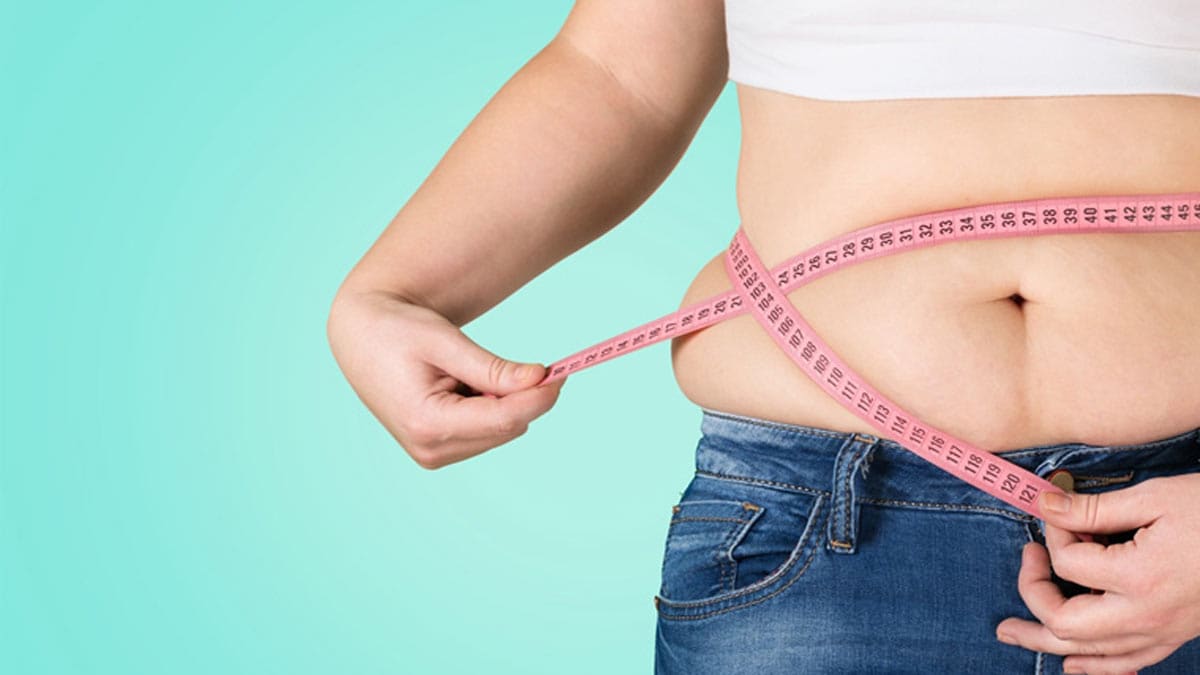
Obesity is not simply a matter of excess weight—it is a complex condition that imposes mechanical, mental, and physical burdens on individuals. Its impact extends far beyond appearance, influencing mobility, emotional well-being, and long-term health outcomes.
While diet and lifestyle remain the cornerstone of management, pharmacological solutions can provide crucial support to prevent the snowballing of complications.
Mechanical burden
Excess body weight places significant strain on the musculoskeletal system.
- Joint stress: Knees, hips, and the lower back bear the brunt of added weight, accelerating wear and tear and leading to osteoarthritis.
- Mobility limitations: Everyday activities such as walking, climbing stairs, or even standing for long periods become increasingly difficult.
- Respiratory challenges: Obesity can restrict lung expansion, contributing to sleep apnea and reduced exercise tolerance.
These mechanical burdens often create a vicious cycle—pain and immobility discourage physical activity, which in turn worsens weight gain.
Mental burden
The psychological impact of obesity is profound.
- Stigma and discrimination: Individuals often face social prejudice, which can erode self-esteem and lead to isolation.
- Mental health risks: Depression, anxiety, and body image distress are common among those struggling with obesity.
- Behavioural challenges: Emotional eating and difficulty adhering to restrictive diets can perpetuate the condition.
The mental burden is not just a consequence but also a driver of obesity, making treatment more complex.
Physical burden
Obesity is a major risk factor for chronic diseases.
- Cardiovascular disease: Hypertension, high cholesterol, and heart disease are strongly linked to excess weight.
- Metabolic disorders: Type 2 diabetes is one of the most common complications, with obesity being the leading cause.
- Cancer risk: Certain cancers, including breast, colon, and pancreatic, are more prevalent in obese individuals.
- Reduced life expectancy: The cumulative effect of these conditions shortens lifespan and diminishes quality of life.
Why diet and lifestyle are cornerstones
Healthy eating and regular physical activity remain the foundation of obesity management.
- Nutritional balance: A diet rich in whole foods, lean proteins, and fiber helps regulate appetite and metabolism.
- Exercise benefits: Physical activity improves cardiovascular health, strengthens muscles, and boosts mental well-being.
- Behavioral change: Sustainable lifestyle adjustments are essential for long-term success.
However, for many individuals, lifestyle changes alone are insufficient due to biological, psychological, and environmental factors.
The importance of pharmacological solutions
Pharmacological interventions can provide the 'little help' that makes a big difference.
- Appetite regulation: Medications can reduce cravings and promote satiety, making dietary adherence easier.
- Metabolic support: Certain drugs improve insulin sensitivity and lipid profiles, reducing the risk of diabetes and heart disease.
- Breaking the cycle: By alleviating some of the mechanical and metabolic burdens, pharmacological solutions enable individuals to engage more fully in lifestyle changes.
When combined with diet and exercise, pharmacological therapies like GLP-1 (semaglutide) or GIP-1 (tirzepatide) can halt the progression of complications, preventing obesity from snowballing into a cascade of chronic illnesses. One must talk to a doctor to check the feasibility of the treatment.
Obesity is a multifaceted condition that burdens the body mechanically, mentally, and physically. While lifestyle modification is the cornerstone of treatment, pharmacological solutions play an essential role in supporting individuals who struggle to achieve and maintain weight loss.
Even small interventions can make a significant difference, helping to stop the downward spiral of complications and restore health and quality of life.
(Authored by Dr Samrat Shah, MD medicine, Expert in Metabolic medicine)
The opinions expressed in this article are those of the author and do not purport to reflect the opinions or views of THE WEEK.
