



The patient, in her early 60s, was admitted with a rare form of pneumonia usually seen in people with severely compromised immunity. She needed ventilator support. And then, over the next three weeks in the ICU, she developed infection after infection, each one more resistant than the last.
“She finally succumbed after 20-21 days of fighting,” recalls Dr Anita Mathew, director, internal medicine, Fortis Hospital, Mulund, Mumbai. “At every stage, the infections were completely drug-resistant. We were left with just a handful of antibiotics, and even those couldn’t work because her immune system couldn’t support the treatment.”
She had vancomycin-resistant enterococci and a deadly NDM-producing (New Delhi metallo-beta-lactamase) Klebsiella infection, says Mathew. These are not obscure medical terms anymore, doctors now encounter them with frightening regularity in Indian ICUs.
This is also reflective of the new worry in antibiotics, that it is no longer just about overuse or resistance in theory, rather it is about a reality where even last-resort drugs are failing, leaving doctors with no room to manoeuvre.

For years, antimicrobial resistance (AMR) was spoken of as a future threat. Today, it is playing out in real-time inside hospitals.
“Antimicrobial resistance is not new, but what is new and deeply worrying is how routinely antibiotics are failing us today, even in very simple infections. This issue, unfortunately, has still not received the attention it deserves,” says Dr Sanjeev Singh, medical director, Amrita Institute of Medical Sciences, Delhi-NCR. “I strongly believe that health care professionals are more responsible for this crisis than the community. Antibiotics cannot be prescribed simply because a patient demands them. Often, doctors feel pressured, especially in private practice, not to lose patients, and so antibiotics are given even when they are not indicated. That is where we go wrong.”
Singh cites the example of cities like Delhi NCR. Because of poor air quality and pollution, there is a surge in respiratory symptoms such as chronic cough, breathlessness and throat irritation. “These are often due to pollution or seasonal viral infections, not bacterial disease,” he says. “Yet antibiotics are prescribed left, right and centre. Patients then say that the antibiotic is not working, when, in fact, there was no infection to treat in the first place.”
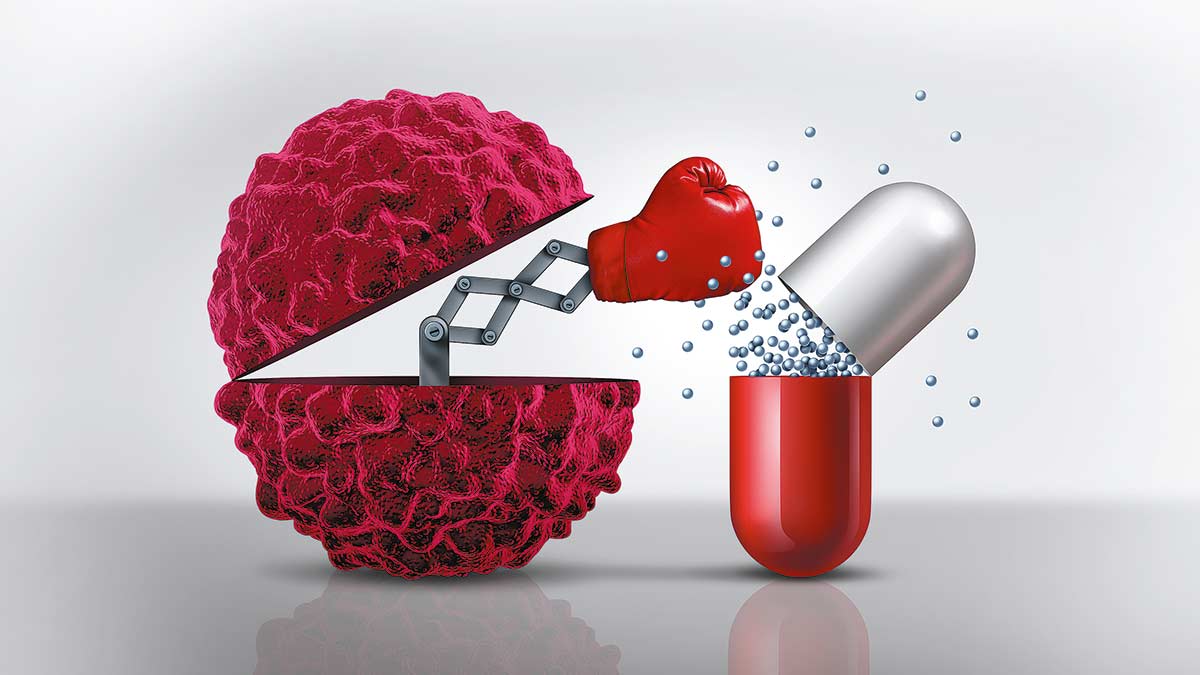
Antibiotics are seen as a magic bullet, but they are not. When we take antibiotics, we don’t just kill harmful bacteria, we also kill beneficial bacteria in our body that are essential for immunity, gut health, digestion and excretion. “This basic understanding is missing,” says Singh.
In the above-mentioned case of the immunocompromised patient, antibiotics alone was not enough to save a patient. “They work only when the immune system works alongside them,” says Mathew. “I can give you guns, but you still need to fire them.” In critically ill patients, that partnership breaks down. And when bacteria are resistant to nearly every available drug, medicine reaches a dead end.
If there is one word doctors now use repeatedly to describe India’s antibiotic problem, it is abuse. Antibiotics are still routinely taken for viral fevers, colds, coughs and diarrhoea—conditions where they offer no benefit. Patients expect quick fixes. Doctors, succumbing to excuses like tight work schedules, travel plans or anxiety, often prescribe them “just in case”. But fever, stresses Mathew, is not the disease, but a signal. “You don’t treat fever with antibiotics,” she sighs. “You find out why the fever is there. Most of the time, it is viral.”
What worries clinicians is not a single unnecessary prescription of antibiotics, but millions of small, everyday decisions that collectively push bacteria to evolve faster than medicine can respond.
AMR is now among the top global health threats, responsible for an estimated 1.3 million deaths worldwide annually. India, the world’s largest consumer of antibiotics, sits at the epicentre of this crisis. As per the WHO, which runs the Global Antimicrobial Resistance and Use Surveillance System (GLASS) and tracks antibiotic resistance across countries, one in six common bacterial infections worldwide now resists standard antibiotics. In the 2025 global surveillance report, resistance rose in more than 40 per cent of pathogen-antibiotic pairs between 2018 and 2023.
Among the most worrying threats are gram-negative bacteria, a group with an extra protective outer membrane that blocks many medicines. Two of these, Escherichia coli and Klebsiella pneumoniae, dominate resistant bloodstream infections that can lead to sepsis and organ failure. Over 40 per cent of E. coli and more than half of K. pneumoniae infections now resist third-generation cephalosporins used for bloodstream infections.
For years, doctors have relied on carbapenems—powerful last-resort antibiotics used when nearly all other treatments have failed. Analyses find carbapenem resistance rising in E. coli, Klebsiella, Acinetobacter and salmonella infections.
Doctors say the problem is no longer limited to ‘last-resort’ drugs. Resistance is being seen even to commonly prescribed antibiotics such as cephalosporins and fluoroquinolones (used for respiratory, urinary tract, skin and gastrointestinal infections). Fluoroquinolones such as ciprofloxacin and levofloxacin are broad-spectrum drugs that act against both gram-positive and gram-negative bacteria. “Because they were broad-spectrum, they were prescribed indiscriminately, and as a result, they have lost much of their effectiveness,” says Singh. “The same is now happening with cephalosporins across generations, from first to fifth. This overuse of broad-spectrum antibiotics instead of targeted therapy is creating a serious resistance problem.”
Mathew says she cannot pinpoint a single moment when she realised antibiotics were beginning to fail. “It wasn’t one case,” she says. “It happened gradually.” But looking back, the change is impossible to miss. “I joined MBBS in 1991. If you compare the kind of infections we treated then with what we see now, the difference is stark,” says Mathew. “Earlier, a simple antibiotic was enough for a common infection like typhoid.”
Back then, a drug like ceftriaxone, often administered as a single one-gram dose, would bring down fever within days. “One or two doses were generally enough,” recalls Mathew. “The patient would become afebrile very quickly.” That certainty has vanished. “Now we are often forced to add another antibiotic or, in some cases, go back to drugs we stopped using decades ago,” she adds.
In many hospitals, doctors are forced to reach for toxic, expensive drugs like colistin, once reserved for the sickest patients, as first-line therapy. One such drug is chloramphenicol, widely prescribed in the 1970s and 1980s but later abandoned because of serious side effects, including bone marrow toxicity. “Ironically, those older drugs are becoming effective again,” says Mathew, “because we stopped using them for so long.”
Another commonly used option today is azithromycin, now prescribed for drug-resistant typhoid. But that, too, is under threat. It is the same azithromycin people buy over the counter for cold and cough. There’s so much abuse in the community that resistance is inevitable.
Another major problem is non-adherence. If an antibiotic is prescribed for five or 10 days, patients often stop midway once they feel better. Cost is sometimes a factor, but the result is the same, partial treatment, which fuels resistance. Many people also self-medicate, using antibiotics already available at home.
There is a dangerous assumption that one antibiotic like Augmentin can treat every infection. That is simply not true, say doctors. Different organisms require different antibiotics, different doses and different durations.
AMR has become chronic, says Singh, because it affects every medical speciality, from neonatology and maternal health to transplant medicine and oncology. That is why engagement has to come from all health care workers, across all departments, along with equal participation from the community, urge experts.
Specialists agree that over-the-counter antibiotic sales is an issue that merits urgent attention, as does the over-prescription of antibiotics. Abroad, antibiotics are tightly regulated. They are prescribed only when there is clear evidence of a bacterial infection—sometimes after tests. “Here, we give them preemptively,” says Singh.
The reasons are well-known: over-prescription, self-medication, incomplete courses, antibiotics used for viral infections and widespread misuse in agriculture and animal husbandry. What is new is the scale of resistance, and the frightening speed at which it is spreading.
“We are seeing more cases of multidrug resistant sepsis where we have to use expensive newer generation higher antibiotics,” says Dr Supratim Sen, paediatric cardiologist at SRCC Children’s Hospital, Mumbai. “But thankfully most babies do respond to these specific higher antibiotics, which we select based on their culture sensitivity reports. So no increase in deaths as such.”
What worries clinicians is not just resistance, but how quickly it appears. Infections are recurring within days. Bacteria are showing resistance to multiple drug classes at once. Some strains are now resistant to nearly every antibiotic available.
Dr Shalmali Inamdar, infectious diseases expert at Kokilaben Dhirubhai Ambani Hospital in Mumbai, recalls a case that challenged many assumptions about antibiotic resistance. Typically, resistant infections are seen in patients who are critically ill, have been transferred from multiple hospitals, or have had repeated ICU admissions. In such settings, resistant organisms are unfortunately common. However, this particular case was very different: a 26-year-old woman presented with a urinary tract infection (UTI) that had progressed to involve the kidneys. About six months earlier, she had experienced a single episode of UTI, for which she had taken antibiotics. Apart from that, she was antibiotic naïve. She was not diabetic, had no chronic illnesses and had no significant prior exposure to health care settings.
The urine culture grew an organism that was resistant to a majority of routine antibiotics. This was deeply concerning because, based on the patient’s history, this was not someone in whom resistance would be expected.
Inamdar describes it as a clear case of a community-acquired resistant UTI. “The case highlights a worrying shift, that antibiotic resistance is no longer confined to hospitals or ICUs,” she says, adding that resistant organisms are now circulating in the community. Even individuals with little or no exposure to antibiotics are acquiring infections caused by resistant bacteria. She attributes this trend to the rampant and often unintended use of antibiotics at the community level, which is altering the bacterial ecosystem.
Inamdar warns that this is a clear red flag. Antibiotic resistance is no longer just the result of individual misuse; it has become a collective issue. As community bacteria become increasingly resistant, even common infections are becoming harder to treat, with serious implications for the future of health care.
Dr Sudheer Ambekar, consultant neurosurgeon with Jaslok Hospital, Mumbai, recounts the case of a 22-year-old woman who had pain in and a watery discharge from her right ear following a holiday where she went swimming. She consulted her doctor who prescribed pain medication and antibiotics. She went on with her daily routine thinking that this was a minor infection and that it would be cured in a few days. Little did she know that this infection would go on to involve her brain. She was prescribed amoxicillin. However, despite taking the antibiotic for initially five and then seven days, the pain and infection persisted. She followed up with her physician, who then sent her to an ENT specialist. The ENT doctor told her that the antibiotic was appropriate but since it was not working, he was changing it to amoxicillin-clavulanic acid. The pus was sent for culture and sensitivity.
Despite the change in medication, the pain persisted and the watery discharge continued. The pain then spread to the head. After a week, she had a seizure and was rushed to the hospital. Investigations revealed that the infection had spread to the bone and the brain, leading to abscess formation within the brain. Pus culture revealed a common bacterium called staphylococcus aureus, resistant to most of the first and second line antibiotics. She was immediately started on injection meropenem and vancomycin. “We were consulted for her brain abscess, and she required a surgical procedure to drain the brain abscess,” says Ambekar. “Intravenous antibiotic therapy lasted four weeks.” It took her a month to walk out of the hospital, pain-free and infection free.
“Amoxicillin and amoxicillin-clavulanic acid are commonly used antibiotics for various infections,” says Ambekar. “However, due to rampant abuse and misuse of these antibiotics and without appropriate prescription by a qualified doctor many other times, microbes become resistant to these infections and go on to produce life-threatening situations such as in this case.”
Despite regulations, antibiotics continue to be over-prescribed and over-sold in India. Colistin resistance has already been reported here. When last-resort antibiotics fail, even advanced hospital care offers limited protection.
Sen says drugs like meropenem were almost reliably effective a decade ago. “Now often meropenem is resistant,” he says. “We have to use even higher antibiotics like colistin and tigecycline.” But Singh points out that by the time cultures are sent, the organism may only be sensitive to last-resort drugs like meropenem or colistin. So when doctors turn to last-resort drugs like colistin or carbapenems, they know one thing: there is nothing beyond this. Doctors are left hoping the patient’s immune system can recover.
This problem is compounded in patients infected with extensively drug-resistant (XDR) organisms—bacteria resistant to almost all available antibiotics. “These infections are extremely difficult to treat,” she says. Tuberculosis is the most well-known example, but it is no longer the only one. “Now we are seeing resistance in very common bacteria—Klebsiella pneumoniae, E. coli, Staphylococcus aureus,” says Mathew. “These are organisms that normally live in our bodies.”
The reasons are complex and deeply systemic. Antibiotic residues enter the human body not just through medicines, but through food and water. Traces of antibiotics are found in vegetables, fruits, eggs and animal products. They are used in agriculture and animal husbandry, and pharmaceutical waste is not always disposed of correctly. “These small, repeated exposures train bacteria in our gut to fight back,” explains Inamdar, Then there is misuse during illness. When patients are critically ill, we use higher-end antibiotics, which exposes bacteria to stronger molecules, accelerating resistance. And bacteria, like humans, want to survive. So they mutate. The moment mutation happens, resistance develops.
This is exactly why antimicrobial stewardship through policy, government intervention, responsible prescribing and community awareness is critical.
If we don’t act now, entire programmes like transplantation and oncology will collapse, says Singh. “These patients have very low immunity and are extremely vulnerable to infections,” he says. “If even last-line drugs stop working and newer combinations like cefiderocol-based therapies also fail, then we will have no answers left.”
In ICUs across India, doctors are confronting a reality that once belonged to dystopian fiction. Urinary tract infections refuse to clear. Post-surgical wounds fester. Neonatal sepsis, long the biggest killer of newborns, has become harder to treat with each passing year.
In neonatal and paediatric care, especially in tertiary centres, the profile of infections has grown more complex and more resistant. “Nowadays, whenever we have a culture-positive sepsis, they are mostly multidrug-resistant,” says Sen.
Among the most worrying pathogens in neonatal and paediatric sepsis, Sen names two repeatedly encountered culprits—Pseudomonas and Acinetobacter. “They are the ones that cause the sickest patients [present] with septic shock.” The exact pattern, he cautions, varies by hospital and geography, but in his cohort, these organisms are red flags. “When someone grows a Pseudomonas or Acinetobacter, we know that they will be sick.”
One major driver, according to Sen, lies outside large hospitals. “In India, the peripheral physicians and paediatricians are very liberal with starting antibiotics, sometimes even quite high antibiotics,” he says. Children with viral infections are frequently prescribed antibiotics they do not need, creating fertile ground for resistance. By the time such patients reach referral centres for specialised procedures like cardiac surgery, the damage may already be done.
“What we see in a tertiary centre like ours is often if a child is admitted [at another hospital] and then they come to us for their cardiac procedure and we do their baseline blood cultures, [we find that] they have already grown bugs that are multidrug resistant.”
Singh insists that antibiotics should be started only after the culture report is out. “Very often, samples are not sent before starting antibiotics,” he says. “We end up treating blindly, without knowing the organism. Sometimes it works, sometimes it doesn’t. And when it doesn’t, everyone feels frustrated. At the very least, in inpatient settings, cultures must be sent and treatment should be guided by reports.”
Also, doctors flag the disappearance of patience in modern health care. “Earlier, we waited. Why can’t we wait now?” asks Mathew. “For stable patients—those who are walking, talking and not showing signs of serious compromise—waiting 48 hours while monitoring symptoms can make all the difference. Instead, antibiotics are often started immediately, wiping out beneficial bacteria and setting the stage for resistance.”
Sen is careful to defend the early use of broad-spectrum antibiotics by doctors. When culture reports take time, this approach is not only justified but essential, he says. “The infectious disease recommendation is that you give broad spectrum for the two-three days that it takes for the report to come back,” he explains. What matters is what happens next. “As soon as you have a specific bug, you will restrict to the antibiotics which that bug is sensitive to,” he says. Used methodically, this does not fuel resistance, he argues, it prevents deterioration. “If you weren't doing that, you would probably not hit the bug in those first two-three days and your patient might get worse,” he says.
A similar logic applies to prophylactic antibiotic use in newborns. In critical care settings, says Sen, antibiotics are started at admission while investigations are underway, especially for children referred from other hospitals. “We would send a blood culture and we would give a middle-level antibiotic like piperacillin-tazobactam.” If tests return negative, the drugs are stopped within two days. These are not full courses given indiscriminately, he emphasises, and are restricted to intensive care units and critically ill patients, not routine ward admissions.
Despite the rising prevalence of resistant infections, Sen notes that mortality has not worsened significantly, at least not yet. But the cost, he adds, “has gone up because we have to use more expensive antibiotics”.
Resistance also prolongs hospital stays. A cardiac patient who might otherwise be discharged within a week often remains admitted far longer. “Suppose you grow a bad bug, you will have to give injections for the next two-three weeks,” explains Sen. “So we might be ready to discharge the child from the cardiac site in seven days. But because they have this infection, they will be in the ward for a total of two weeks just to complete their course.”
Taken together, Sen’s experience captures the paradox at the heart of India’s antibiotic crisis: survival is still possible, but it is becoming more expensive, more prolonged, and more dependent on drugs that were once meant to be used sparingly.
Ironically, just as resistance exploded, antibiotic innovation slowed down to a crawl. Unlike cancer drugs or lifestyle medicines, antibiotics are taken for short periods and are often deliberately held back to prevent resistance. That makes them poor commercial bets.
Over the past three decades, most major pharmaceutical companies quietly exited antibiotic research. Today, the global pipeline of truly new antibiotics remains alarmingly thin. This means that now there is no safety net. In earlier decades, resistance was met with newer, stronger antibiotics. The result is a market failure, say experts, one where scientific need does not translate into commercial investment.
For doctors, this means treating modern superbugs with medicines developed decades ago. “Drug development is slow. It can take a decade for a new antibiotic to reach the market,” says Mathew. “And yes, pharmaceutical companies don’t find antibiotics very lucrative. But the bigger problem is that we have abused what we already have.” She further emphasises that judicious use is the only way forward. “We don’t need antibiotics for every fever. We need regulation, monitoring, accountability.”
Faced with a failing model, scientists are now rethinking the very idea of antibiotics. Instead of killing bacteria outright, the new approaches aim to disarm, outsmart or bypass them.
One promising area is precision drug delivery including nanotechnology-based systems that can ferry antibiotics directly into infected tissues, reducing collateral damage and resistance. Magnetic nanobots, for instance, are being explored to navigate deep into tumours or infection sites and release drugs with pinpoint accuracy.
Another frontier is bacteriophage therapy, using viruses that infect and kill specific bacteria. Once abandoned after the discovery of antibiotics, phage therapy is now seeing a cautious revival, especially for infections where no drugs work. Immunotherapies that boost the body’s own ability to fight infections are gaining traction as well. Even artificial intelligence has entered the race, helping scientists identify potential antibiotic molecules in weeks instead of years.
In India, public awareness remains low. Unless behaviour changes at every level, from patients and pharmacists to doctors and policymakers, even the most advanced new technologies may fail, experts tell THE WEEK.
The biggest new worry is time. Experts warn that without urgent antibiotic stewardship, stronger regulation, investment in new therapies and increased public awareness, the world may enter a post-antibiotic era within decades. In that future, routine surgeries could become risky, childbirth more dangerous, and minor injuries potentially fatal.
The age of antibiotics is not ending suddenly. It is eroding quietly, prescription by prescription. And that, doctors say, is what makes the new worry so dangerous.
