



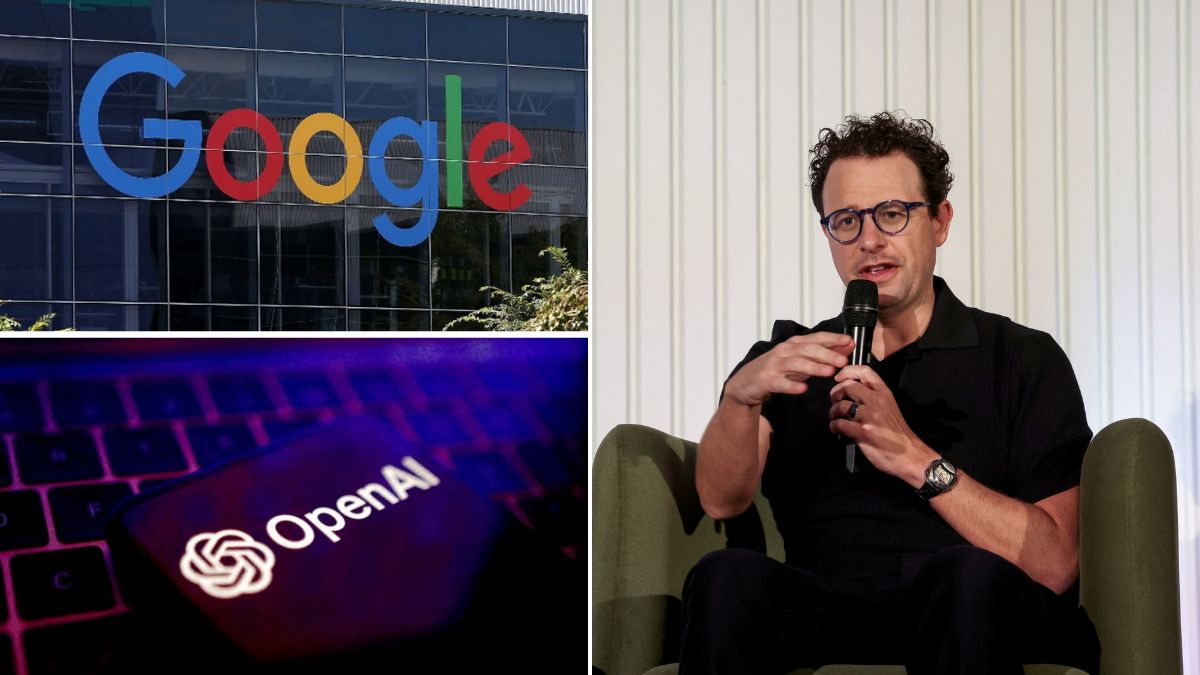
Over 200 employees at Google and some from OpenAI have signed a letter urging the tech company to steer clear of military engagements.
The letter, addressed to Jeff Dean, Chief Scientist of the company’s AI division DeepMind, demanded that Google distance itself from potential military entanglements.
“Please do everything in your power to stop any deal which crosses these basic red lines,” the employees wrote. “We love working at Google and want to be proud of our work,” the New York Times reported.
The joint letter signed by Google and OpenAI employees said that the Pentagon is negotiating with Google and OpenAI to “try to get them to agree to what Anthropic has refused.”
“They're trying to divide each company with fear that the other will give in. That strategy only works if none of us knows where the others stand. This letter serves to create shared understanding and solidarity in the face of this pressure from the Department of War, “ the letter read.
The letter has come amid a showdown between Anthropic and the Trump administration. Anthropic, an AI startup behind the Claude model, has been under intense pressure from the Pentagon to loosen its restriction on military use of its tech. The Pentagon already had a $200 million contract with the company. Now it is asking for freedom to apply its technology to US defence.
Anthropic CEO Dario Amodei refused to allow the unrestricted use of its technology about 24 hours before the deadline set by US military officials to bend its ethical policies.
In a recent statement, Anthropic said it “will not alter core safeguards to accommodate use cases that could endanger human rights or violate international norms.”
Military officials warned that if Amodei doesn't make a move, they would pull Anthropic’s contract but also “deem them a supply chain risk,” a designation given to foreign adversaries, which would then derail the company’s critical partnerships with other businesses.
If Anthropic gives in to the military’s pressure, the company would lose trust in the booming industry.
Google’s employees have warned against the potential use of its Gemini AI for the military. They fear that it could be used for mass surveillance and for the use of Autonomous weapons, which would have no human oversight.
Dean, Google's AI chief, has previously supported the concerns.
