



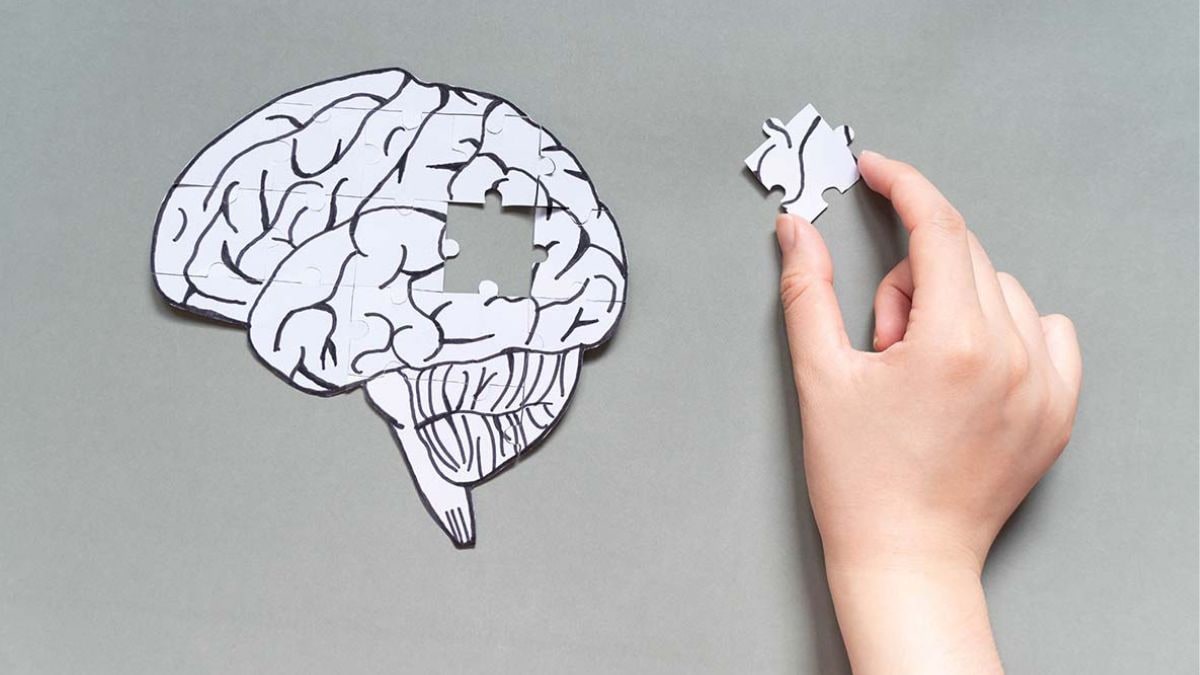
India is standing on the threshold of a silver tsunami. As our life expectancy increases, so does our vulnerability to the most dreaded thief of the mind: Dementia.
Currently, over 5 million Indians live with dementia, a number projected to nearly double by 2050. Alzheimer’s Disease (AD), the most common form of dementia, remains an enigma to modern medicine. Despite billions spent on research, we have no definitive cure or 'magic pill' to reverse the brain's decline once it starts.
However, there is profound hope. Emerging evidence suggests that nearly 40 per cent of dementia cases can be delayed or prevented through lifestyle modifications. If we cannot yet cure it, we must prevent it. The 'hospitals of the future' for brain health are our kitchens, parks, and social circles.
The foundation: Fuel and movement
Your brain is the most energy-demanding organ in your body. To protect it, follow a 'mindful' diet rich in leafy greens, colorful vegetables, berries, nuts, and healthy fats, such as olive oil or fatty fish. Minimize ultra-processed foods, hidden sugars, and excessive salt.
Physical activity is perhaps the closest thing we have to a 'brain tonic'. Exercise increases the production of brain-derived neurotrophic factor (BDNF), a protein that acts like 'fertilizer' for your neurons.
Aim for 150 minutes of moderate activity per week, whether it is brisk walking, running, swimming, or cycling. The goal is to keep the blood flowing to your brain. Add 60-90 minutes per week of strength training, which can be split into 2-3 sessions.
The silent pillars: Sleep and body chemistry
During optimum sleep, which is around 7-8 hours, your brain undergoes a 'glymphatic clearance', essentially a deep-cleaning process that flushes out toxic proteins like beta-amyloid, which are linked to Alzheimer’s.
Furthermore, your brain health is inextricably linked to your metabolic health. Uncontrolled high blood pressure (hypertension), elevated blood sugar (diabetes), and high cholesterol damage the delicate blood vessels in the brain, leading to vascular dementia. Maintaining a healthy weight is not just about aesthetics; it is about reducing the chronic inflammation that prematurely ages the brain.
Sensory health: The overlooked link
In a breakthrough for preventive neurology, we now know that treating hearing loss and vision impairment (like cataracts) is vital. When your senses dull, your brain receives fewer inputs, leading to cognitive atrophy. If you find it hard to hear in a crowd or see clearly, seek treatment immediately. It is not just about your ears or eyes; it is about keeping your brain engaged.
The social and intellectual shield
The brain thrives on novelty. To build cognitive reserve, you must challenge your mind. Learn a new language, pick up a musical instrument, or master a new digital skill. This creates new neural pathways that can bypass older, damaged ones.
Equally important is social connection. Loneliness is as toxic to the brain as smoking. Engage with your community, volunteer, or simply make time for meaningful conversations with friends and family. A socially active brain is a resilient brain.
Call to action
The prevention of dementia does not require luxury; it requires discipline and awareness. By avoiding smoking and abstaining from alcohol, managing your vitals, and staying curious and connected, you are taking active charge of your sunset years.
A healthier India won't be built in hospitals. It will be built on our streets, in our homes, and in our daily habits. It is never too early to start, and never too late to begin.
