



Even as newer and more powerful drugs have transformed tuberculosis treatment in recent years, major diagnostic and clinical challenges continue to complicate the management of multidrug-resistant tuberculosis (MDR-TB) among people living with HIV, experts said at ASICON 2026, the 17th National Conference of the AIDS Society of India, being held in Mumbai.
Presenting on the topic titled 'New TB Drugs, Old Problems: Navigating MDR-TB in HIV', infectious diseases specialist Dr Trupti Gilada said that the intersection of HIV and tuberculosis remains one of the most difficult challenges in infectious disease care.
“Despite advances in TB therapeutics, diagnosing and managing MDR-TB in HIV patients remains complex due to atypical disease presentation, delayed diagnosis and the rapid progression of illness,” she said.
Tuberculosis continues to be the leading cause of death among people living with HIV globally, and the emergence of drug-resistant strains has further complicated treatment efforts.
According to data presented at the conference, India continues to have the highest TB burden in the world. Among people living with HIV (PLHIV), the risk of developing MDR-TB is significantly higher.
MDR-TB is estimated to be twice as common in people living with HIV, and the infection also increases the likelihood of developing primary MDR-TB, with studies suggesting odds ratios ranging from 2 to 2.3.
Mortality rates are also substantially higher when the two infections occur together. Experts noted that undiagnosed tuberculosis is a major contributor to early deaths among HIV patients starting antiretroviral therapy (ART).
Drug-resistant TB exists on a spectrum, experts explained. It ranges from mono-resistant TB, where the bacteria resist a single drug, to rifampicin-resistant TB, multidrug-resistant TB (MDR-TB) and more severe forms such as pre-XDR and XDR TB, where resistance extends to second-line drugs.
The World Health Organization’s classification of MDR-TB drugs includes newer medicines such as bedaquiline and linezolid, which are now key components of modern treatment regimens. Other drugs used in combination include moxifloxacin, levofloxacin, clofazimine, cycloserine and delamanid.
“These newer drugs have improved treatment outcomes and shortened regimens, but the real-world challenges of diagnosis and timely treatment remain,” Gilada noted.
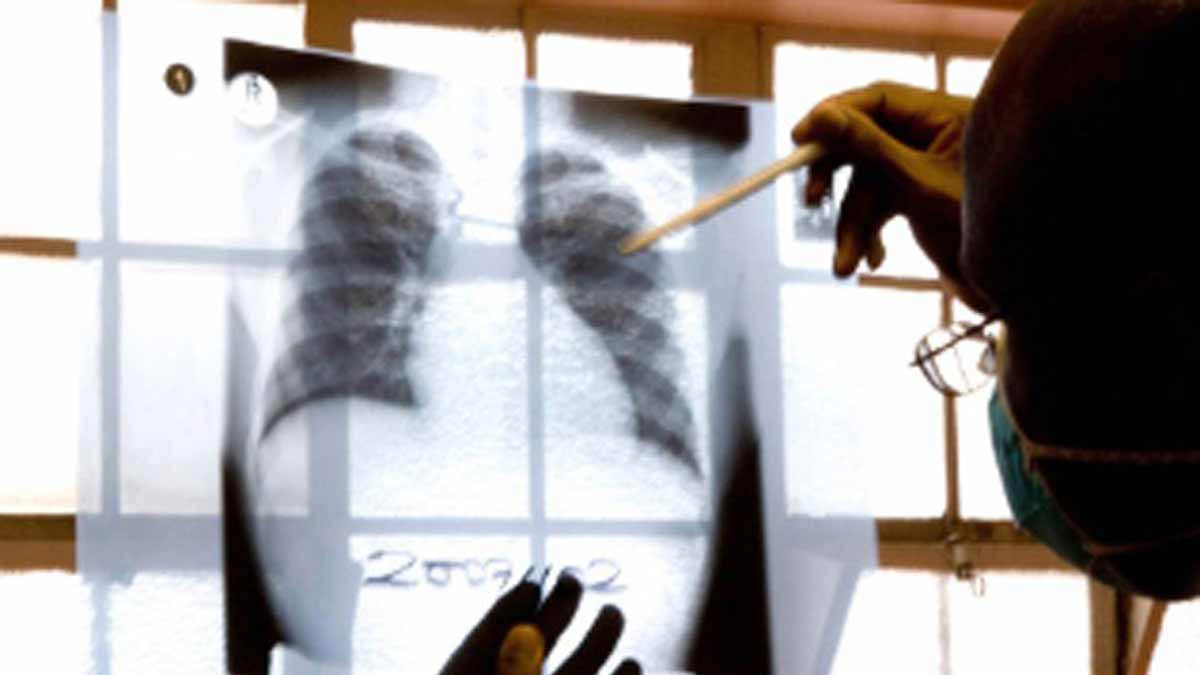
One of the biggest obstacles in managing TB in HIV patients is diagnosis, Gilada. Unlike typical TB, the disease can present atypically in people with HIV. Patients may have minimal or normal chest X-ray findings, negative sputum tests or sub-clinical symptoms that make detection difficult.
In many cases, TB in HIV patients also presents as extra-pulmonary disease, affecting organs outside the lungs. Studies show this occurs in 40–80 percent of HIV-positive patients, compared with 10–20 percent in HIV-negative individuals.
This often forces clinicians to rely on surrogate markers such as ESR or C-reactive protein, and sometimes begin empirical anti-TB treatment before a definitive diagnosis is confirmed.
Experts emphasised that rapid genotypic testing is critical for detecting drug resistance early and guiding treatment decisions.
Modern diagnostic tools include GeneXpert, line probe assays and whole-genome sequencing, which help identify genetic mutations linked to drug resistance. These tests allow clinicians to quickly determine whether the TB strain is resistant to key drugs.
“Rapid genotypic testing can save lives by enabling early diagnosis and personalised treatment regimens,” Gilada said.
Researchers are also exploring the role of artificial intelligence in radiology, which could assist in identifying TB patterns in imaging scans.
However, experts cautioned that genotype and phenotype results do not always perfectly match. Not all genetic mutations lead to drug resistance, and some laboratory tests may miss low-level resistance. For newer drugs such as bedaquiline, delamanid and linezolid, the available data on resistance-causing mutations is still limited. As a result, clinicians must interpret test results carefully and combine them with clinical judgment.
Experts at the conference stressed that tackling TB among people living with HIV will require better integration between TB and HIV programmes, faster diagnostics and wider access to newer treatment regimens.
While scientific advances have improved treatment options, Gilada noted that “the old problems of delayed diagnosis, drug resistance and health system gaps continue to challenge TB control in HIV patients.”
