



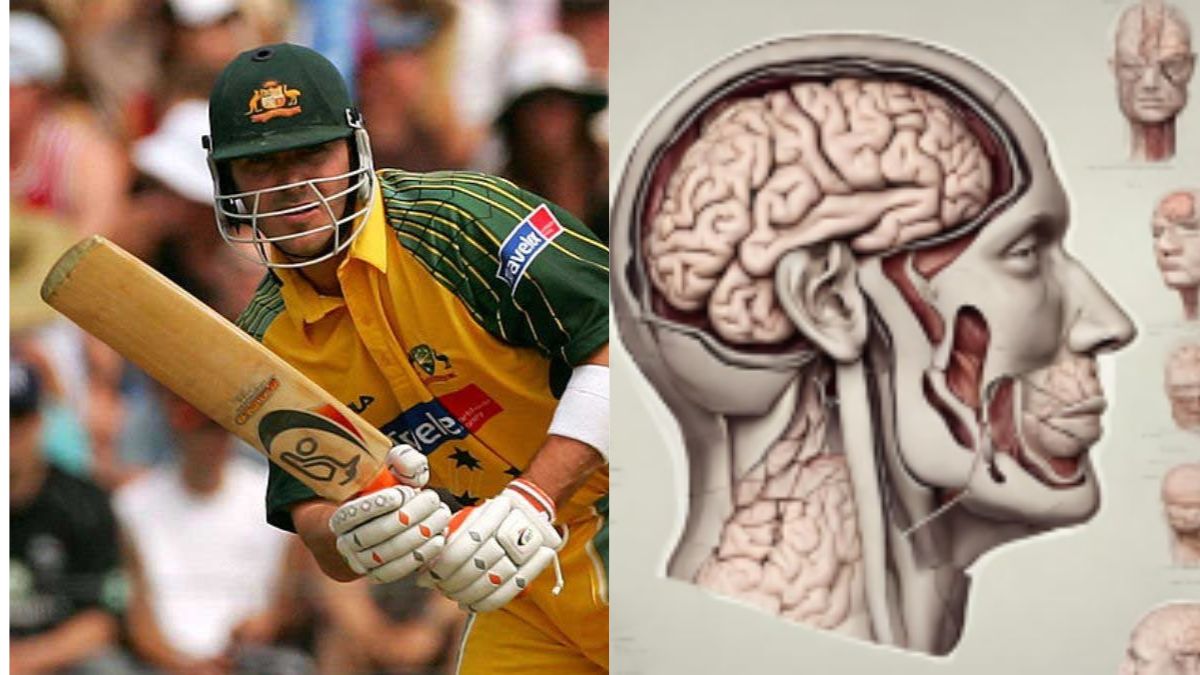
After being diagnosed with meningitis, former Australian cricketer Damien Martyn has been placed in an induced coma in a Brisbane hospital.
The 54-year-old was rushed to hospital on Boxing Day, soon after falling ill at his Gold Coast home, and has been on treatment since as doctors manage the infection and monitor his condition.
“Damien Martyn remains in a serious condition at the Gold Coast University Hospital,” a spokesperson for Gold Coast Health said, as per Nine Newspapers.
Former teammates like Adam Gilchrist and Darren Lehmann have publicly wished him strength, while Cricket Australia chief executive Todd Greenberg extended the organisation’s best wishes for Martyn’s recovery.
“He’s still in hospital. There’ll be more details come out as they come to hand but certainly in the last 24 hours, some positive signs are the indications coming out of the various tests he’s having,” Gilchrist said on Fox Cricket.
What is Meningitis?
Meningitis refers to the inflammation of the protective membranes, also known as the meninges, that cover the brain and spinal cord. It is also known as spinal meningitis.
As per the Cleveland Clinic, infectious diseases, like viruses and bacteria, can cause meningitis. Noninfectious conditions, like cancer and head injuries, can cause it, too.
Types of meningitis
Infectious types include the following:
- Bacterial meningitis
- Viral meningitis
- Fungal meningitis
- Parasitic meningitis (eosinophilic meningitis)
Noninfectious types include:
- Autoimmune meningitis
- Carcinomatous (cancer) meningitis
- Drug-induced aseptic meningitis (DIAM)
- Post-traumatic meningitis
Symptoms:
Common symptoms include fever, severe headache, neck stiffness, nausea, sensitivity to light and confusion. Without timely treatment, bacterial meningitis can be life-threatening and may lead to long-term complications such as hearing loss or neurological damage.
Early diagnosis and intervention are critical to improving outcomes. For more information, consult a health expert.
