



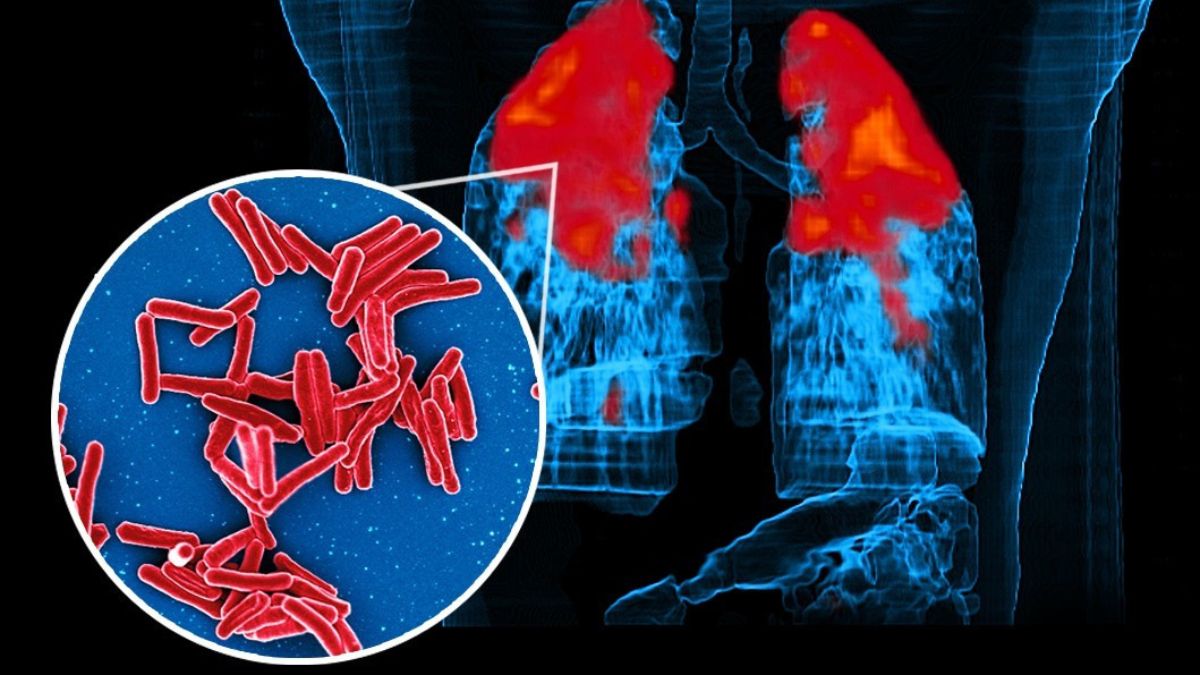
India continues to bear the world’s highest burden of tuberculosis, accounting for nearly 25 per cent of global cases, over 30 per cent of drug-resistant TB, and close to 28 per cent of TB-related deaths, according to the latest World Health Organisation Global Tuberculosis Report 2025. While incidence and mortality have declined over the past decade, progress remains slower than required to meet elimination targets.
Against this backdrop, and on the eve of World TB Day, leading public health experts came together for a webinar titled ‘From Awareness to Action: India’s TB Elimination Roadmap’.
Among the key speakers, Dr Soumya Swaminathan Principal Advisor to the National TB Elimination Programme (NTEP) and Chairperson of the M.S. Swaminathan Research Foundation, highlighted critical gaps and strategies in India’s TB response, emphasising the need for early detection, stronger health systems, and sustained, coordinated action to reduce preventable deaths.
India’s TB burden: Progress, but a long way to go
Dr Swaminathan noted that while mortality has declined, from about 35 per 100,000 in 2015 to around 21–22 now, the progress is still not enough.
“Our goal was to get to around 3 per 100,000, in line with WHO targets of a 90% reduction in mortality,” she said, adding that incidence is declining, but slowly. Without a highly effective new vaccine, eliminating TB will take time.
Reducing deaths: Early detection and immediate care are key
Dr Swaminathan said that a large proportion of tuberculosis deaths are preventable and tend to occur very early in the course of the illness. “TB deaths, the majority occur in the first two months, and in fact, the vast majority occur in the first month,” she said, underscoring the urgency of early identification and intervention. She pointed out that patients who are severely malnourished, or those with comorbidities such as HIV or diabetes, are particularly vulnerable, especially when diagnosis is delayed.
Referring to the TN-KET programme in Tamil Nadu, she explained that a simple clinical screening approach can help identify individuals at high risk of early mortality without requiring laboratory investigations. This involves assessing whether the patient is mobile, able to eat and drink, has a very high respiratory rate, low oxygen saturation, or pedal oedema. “If the answer to even one of these is yes, then the patient is at high risk of early mortality,” she noted.
Dr Swaminathan stressed that such patients should be immediately hospitalised so they can receive intensive care, including oxygen support, intravenous fluids, nutritional rehabilitation, and treatment for underlying conditions.
However, she pointed out that this screening approach is not yet widely implemented, and TB admissions have declined in some areas due to infrastructure and capacity challenges. Strengthening frontline training, from PHC doctors to ASHA workers, and ensuring availability of beds for infectious patients, she said, are critical steps toward reducing preventable TB deaths.
Different strategies for urban and tribal India
Drawing attention to India’s diversity, Dr Swaminathan pointed out that TB challenges differ significantly across regions. Urban areas face overcrowding and higher transmission, while tribal regions struggle with access and connectivity. “Urban and tribal areas require special focus,” she said.
In cities, stronger public-private collaboration is crucial, as many patients first seek care in the private sector. In remote and tribal areas, she suggested mobile diagnostic units equipped with X-ray and AI tools, along with faster sample collection and testing systems to ensure timely treatment.
Innovation in diagnostics
Dr Swaminathan observed that while diagnostic innovation is advancing rapidly, with near point-of-care tests and AI-enabled X-rays, gaps remain in treatment and prevention.
“Our dream is to have a COVID-like test, where within minutes you know whether you have TB or not,” she said.
She also underlined the need to better utilise existing PCR infrastructure built during COVID-19 and expand access to rapid testing tools. At the same time, she stressed that research must focus more on new treatments, extrapulmonary TB, and paediatric TB, where diagnosis remains challenging.
Addressing stigma, gender, and health systems
Dr Swaminathan underscored that tackling Tuberculosis requires going beyond medication and embedding care within a comprehensive primary healthcare system. She noted that TB often coexists with other conditions, making holistic and continuous care essential for better outcomes.
“TB is a disease that coexists with many other conditions; patients need holistic care,” she said.
She also flagged that gender remains an important yet often overlooked dimension in TB care. While TB is generally more common in men, she pointed out that women face unique vulnerabilities across age groups.
“The gender elements should never be forgotten in any disease,” she said, adding that extrapulmonary TB, including lymph node TB, is more frequently seen in younger women, while the risk rises again in postmenopausal women.
Beyond biological differences, she emphasised the social barriers that delay care-seeking among women. “There are social taboos and stigma; it becomes a big social stigma for a family if a young woman has TB,” she noted, pointing to how these factors often prevent timely diagnosis and treatment.
Calling for a shift in public perception, Dr Swaminathan stressed the need to normalise conversations around TB and break entrenched stigma. “We need to talk more openly. It’s an infectious disease, it’s curable, it’s airborne, and it’s not anyone’s fault,” she said. Early detection and treatment, she added, not only improve patient outcomes but also help protect families and communities from further spread.
This story is done in collaboration with First Check, which is the health journalism vertical of DataLEADS
