



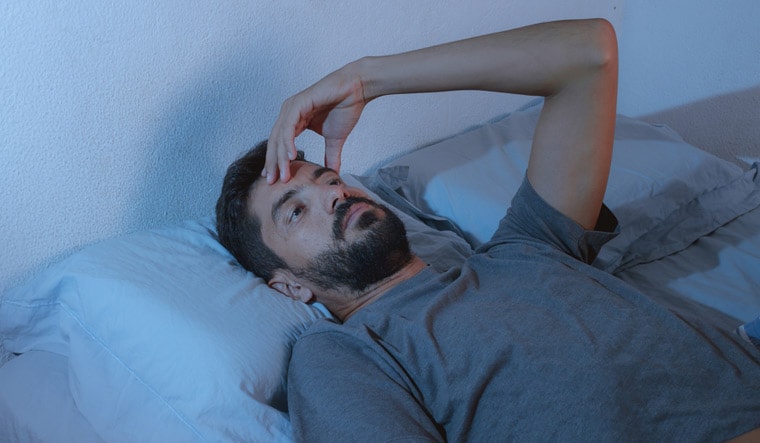
If you think you can compensate for a lack of sleep with regular exercise, think again. A recent study published in The Lancet Healthy Longevity journal suggests that sleeping for less than six hours a day may undermine the protective effects of physical activity against cognitive decline.
Conducted by researchers from the prestigious University College London (UCL), the study tracked cognitive function over a 10-year period in a group of 8,958 individuals aged 50 and above in England. The goal was to analyze how different combinations of sleep and physical activity habits impacted cognitive function over time.
The findings were quite alarming. Individuals who engaged in more physical activity but slept less than six hours on average experienced faster cognitive decline compared to their counterparts who engaged in less physical activity. Surprisingly, after a decade, their cognitive function was equivalent to those who were less physically active.
Lead author of the study, Mikaela Bloomberg from UCL Institute of Epidemiology & Health Care, emphasized the significance of adequate sleep for reaping the full cognitive benefits of exercise. "Our study suggests that getting sufficient sleep may be required for us to get the full cognitive benefits of physical activity," she explained. Bloomberg further emphasized the need to consider sleep and physical activity together when considering cognitive health.
While previous studies have touched on the relationship between sleep, physical activity, and cognitive function, this study stands out for its long-term approach. Unlike previous cross-sectional studies that provided only a snapshot of the situation, this research delved into the impact over a decade.
The study confirmed earlier findings that sleeping between six and eight hours per night and engaging in higher levels of physical activity correlated with better cognitive function. Interestingly, the researchers discovered that more physically active individuals initially exhibited better cognitive function, regardless of their sleep duration. However, this changed over the course of 10 years. Those who were physically active but slept less than six hours experienced more rapid cognitive decline.
The study also noted age-related differences. Participants in their 50s and 60s experienced significant cognitive decline if they were physically active but slept less, whereas older participants (aged 70 and over) seemed to maintain the cognitive benefits of exercise, even with shorter sleep.
Professor Andrew Steptoe, co-author of the study from UCL Institute of Epidemiology & Health Care, stressed the importance of identifying factors that protect cognitive function as people age, potentially prolonging cognitively healthy years and delaying dementia diagnoses. He urged that interventions promoting cognitive health should consider not only physical activity but also sleep habits to maximize long-term benefits.
It's worth noting that the study relied on self-reported sleep duration and physical activity, which presents some limitations. To build on these findings, future research should replicate the study with more diverse populations, explore other cognitive domains, delve into sleep quality, and employ objective measures such as wearable physical activity trackers.
This study serves as a wake-up call, reminding us of the critical role sleep plays in maintaining cognitive health, particularly when combined with regular exercise. So, if you're hitting the gym but skimping on sleep, it might be time to reevaluate your priorities for the sake of your brain's well-being.
