

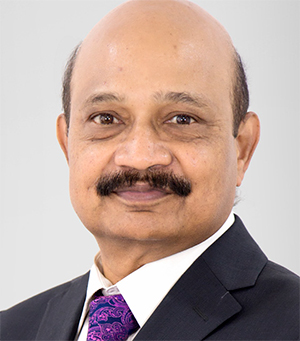
 Dr. T. Senthil Kumar Promoter and Executive Director, Unit Head & Chief Cardiac Surgeon, Kauvery Heartcity, Trichy
Cardiovascular disease (CVD) is the world’s number one killer, causing over 18.6 million deaths per year. The theme for World Heart Day on September 29, 2021 is ‘Use Heart to connect’, which focuses on harnessing the power of digital health to improve awareness, prevention and management of CVD.
Dr. T. Senthil Kumar, Promoter and Executive Director, Unit Head & Chief Cardiac Surgeon Kauvery Heartcity, Trichy enumerates on the advances in cardiothoracic surgery and how treatment of heart diseases has become accessible, affordable and successful in most centres, including Tier-2 cities in India. The quality of work is comparable to or even better than that of western countries and at a fraction of the cost.
Modern technology helps in sustaining the cardiac status of patients with poor heart functions for many months by keeping them on ECMO and even for years by hooking them on to bridge-totransplant devices. Today about 80% of conventional open heart surgeries like bypass surgery, valve replacement and closing of hole in the heart can be done through small incisions of about 2- 2 ½ inches, resulting in smaller scars, quicker recovery and better outcomes.
Take Aways for Young Hearts
◆ Adoption of a healthy diet, low in cholesterol, reduced portions of intake of starchy or fried foods, with a lot of vegetables and less or no tans-fat.
◆ 45 minutes of walking with 15-20 minutes of fast walking where the heart rate exceeds 50% of resting heart rate, for five days a week. Yoga for half an hour 5 to 6 days a week.
◆ Avoiding smoking and drinking.
◆ Living stress-free.
◆ Regular health check-up for all family members after 30 years.
Robotic assisted surgery is another advancement done through port-hole incisions of about 1 cm or less and organs are magnified on a video screen that affords ease of surgery for cardiac surgeons. Movement of the robotic arm being 360 degrees, access to any part of the heart is possible leading to precision and greater surgical skills. Prohibitive costs of robotic assisted surgery have come down drastically.
The foray of hybrid procedures where both cardiac surgeons and cardiologists work as a team have increased success rates of complicated surgeries of the heart such as aortic dissection or displacement of implants.
Management of heart conditions has acquired great significance today with bridge-to-transplant therapy where patients with end of stage heart failure can be managed by devices till the availability of a heart for transplant. In India heart transplants are being done in major centres, including Kauvery Hospital.
Burn-out Syndrome
Working odd hours, unhealthy food, lack of exercise and long hours in front of the computer, habits like smoking and constant stress have adversely impacted the health of many young people. Coronary artery disease, chiefly due to high incidences of diabetes and hypertension, is happening two decades earlier in India, to those who are in their 40s. We see even women who are menstruating, in their 30s and 40s with CAD.
This year, the World Heart Day talks about digitally connecting to our heart to keep our hearts healthy. Simple healthful ways of living, avoiding smoking, exercises and living stress free will go a long way in preserving our heart health.
Successful definitive single-stage procedures on new-borns have replaced conventional stage-by-stage surgeries for cyanotic heart disease in babies in paediatric cardiac surgery.
Today hearts are being transported from one country to another using warm perfusion technique that preserves organs, allowing for a successful heart transplant even with 10 hours out-ofbody time. Also mechanical pumps are implanted as destination therapy for patients with heart failure who are not candidates for heart transplant surgery, after all other treatment options have failed. Destination therapy supports the patient’s heart function and improves quality of life for the rest of the patient’s life.
The future of science and research is moving towards stem cell therapy and the day is not far off when we may be able to order an organ that is grown from our own cells, in the labs.
As continuous innovations keep happening, cardiothoracic surgery will gain greater significance in saving lives.
