



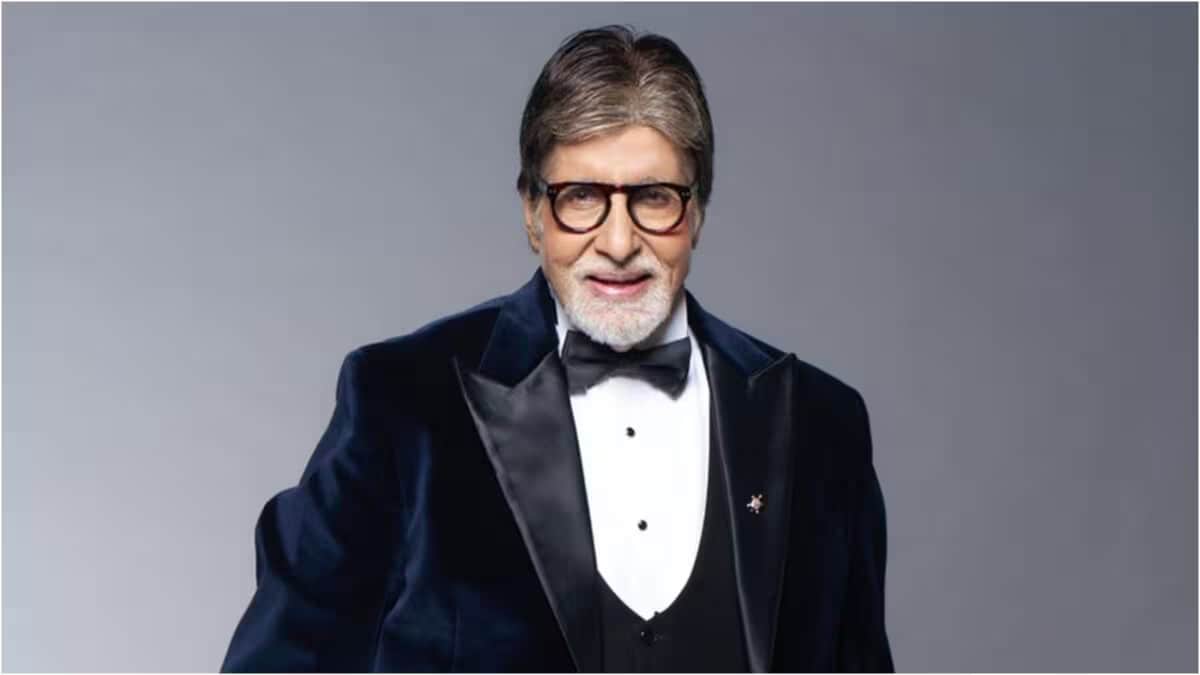
The Delhi High Court has directed veteran Bollywood actor Amitabh Bachchan to appear in person if a settlement with several defendants in a personality rights case is not reached before the next hearing.
As per a Bar and Bench report, a bench led by Justice Purushaindra Kumar Kaurav heard the case (Amitabh Bachchan v. Rajat Nagi & Ors) on October 9, 2026. The court was informed earlier that Bachchan had reached an agreement with several defendants via mediation. However, the actor had not yet signed the settlement documents due to logistical difficulties.
The court has granted the actor's legal counsel additional time to complete the legal formalities and submit the signed agreement. The next hearing is scheduled for November 16, 2026. The court clarified that if the settlement remains incomplete or fails, Bachchan must appear personally to pursue any remaining claims in the case.
Amitabh Bachchan was legally represented by advocates Dhruv Anand, Dhananjay Khanna and Bhavya Verma.
Bachchan filed the lawsuit in 2022 to protect his name, image, voice and other distinctive aspects of his identity from unauthorised commercial use. His complaint alleged that his identity was being misused in several ways, including lottery scams falsely linked to the television quiz show, 'Kaun Banega Crorepati', unauthorised merchandise and fake mobile applications.
On November 25, 2022, the Delhi High Court granted him an interim injunction without first hearing the opposing parties. This order restrained third parties from using his identity without permission.
The latest direction gives the parties more time to formalise their settlement while making clear that the actor's personal presence may be required if the dispute is not resolved. The outcome of the next hearing will determine how the remaining issues in the lawsuit proceed.
