



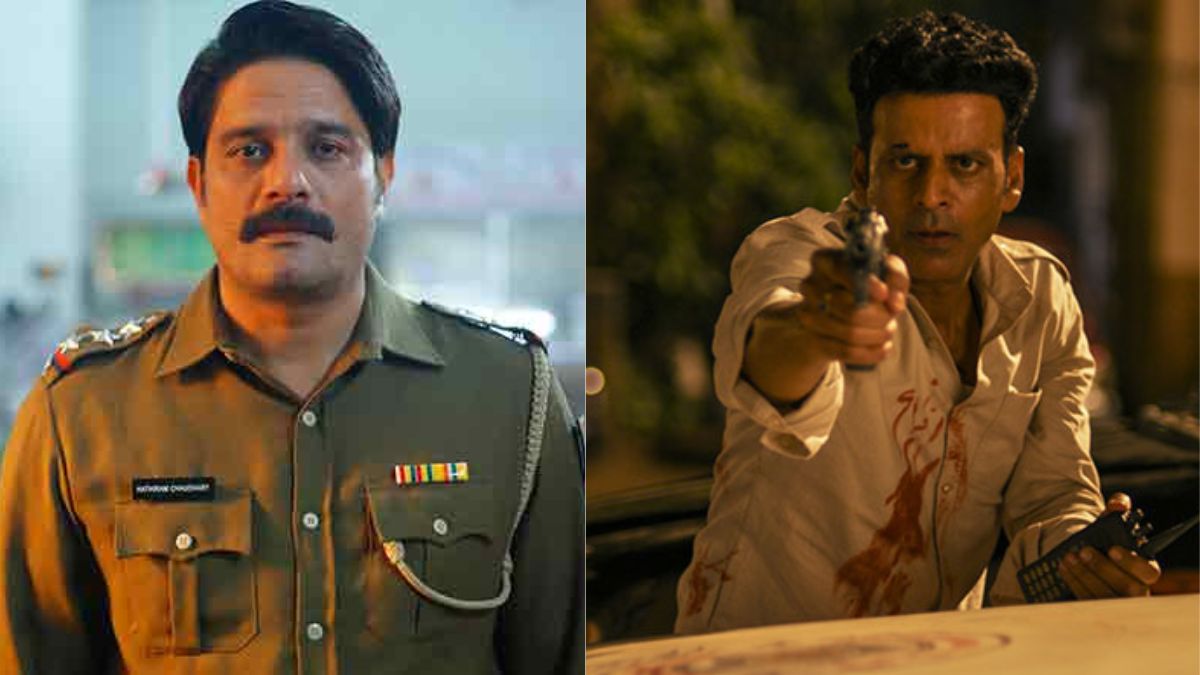
When The Family Man first hit streaming screens, few could have predicted that a middle-aged intelligence officer from Delhi would one day be watched in Mexico or Poland. But that’s precisely what’s happening now, as Indian stories once viewed as regional or culturally niche are beginning to find global audiences.
At the recently concluded FICCI FRAMES 2025, Prime Video India revealed a striking figure: nearly 25 per cent of viewership for its Indian content now comes from outside the country. That means one in four viewers watching Panchayat or Paatal Lok isn’t Indian or isn't based in India.
Speaking at a fireside chat titled “Made in India: I-Dramas — Are Our Stories Ready to Travel Across Borders?”, Shilangi Mukherji, director and head of SVOD Business at Prime Video India, and Nikhil Madhok, head of originals, shared insights on how Indian stories are being reimagined for both domestic and international audiences.
For years, the conversation around Indian content revolved around Bollywood — its songs, stars, and scale. But the global streaming revolution has shifted the narrative. Today, India’s soft power may not be the latest Khan blockbuster, but a small-town satire like Panchayat or a dark thriller like Paatal Lok.
“What travels well is originality and authenticity,” said Madhok. “Imitation will not take you far.” It’s a sentiment echoed across the industry where the formulaic masala movie no longer guarantees attention in an age of K-dramas.
According to Prime Video, Indian titles featured in the top 10 on the platform worldwide every single week of 2024, a staggering indicator of how far the country’s storytelling has travelled.
“Almost 60 per cent of customers on Prime Video India stream content in four or more Indian languages,” said Mukherji. That multilingual appetite within India, she argues, is exactly what makes Indian stories more adaptable for subtitling, dubbing, and localisation abroad.
It’s a powerful advantage. While Korean and Turkish dramas were once dismissed as too niche, aggressive subtitling and localisation turned them into worldwide phenomena. Mukherji believes India’s moment could be next if the industry invests in localisation “from the very beginning rather than as an afterthought”.
The platform’s data points to an expanding Indian base as well when it informs that its viewership comes from 99 per cent of pin codes and 25 per cent new users joining in the last year alone.
“Starting 2026, we will premiere three to four local Indian films from Amazon MGM Studios in theatres every year,” said Madhok. It’s a strategy that blends India’s love for the big screen with the reach of streaming.
Perhaps the biggest shift, however, is in who is telling these stories. Prime Video says more than 60 per cent of its fiction shows have gone into multiple seasons or have new seasons under development. This reflects a slow but steady decentralisation of Indian entertainment where a creator from Bhopal or a writer from Guwahati could find an audience in Buenos Aires.
For all the optimism, challenges remain. Unlike South Korea, where state-backed investment and cultural strategy propelled the “K-wave”, India’s creative exports have been largely industry-led. Mukherji acknowledged that global breakthroughs require the ecosystem to work together, from government policy to training and translation infrastructure.
That’s where the next leap lies: not just in producing global content, but in packaging it globally. As Madhok put it, “All it takes is one standout story to spark wider recognition.”
